
How To Know If Your Pipes Need Replacing
Plumbing almost never fails all at once. Most homes give warning for months, sometimes years, before a line finally splits open and floods a wall cavity. The trouble is that those warnings look like small annoyances instead of structural problems. A drip under the sink, water that runs rusty for a few seconds every morning, a shower that loses pressure the moment the washing machine fills; each one seems harmless on its own. Put them together and you are usually looking at a piping system that has reached the end of its service life. Summer in North Texas adds pressure to an already aging system, because dry clay soil shrinks and pulls away from the foundation, which shifts and stresses the lines running underneath your slab. Irrigation systems, full guest bathrooms, and constant laundry loads push more water through those pipes during the hottest months than at any other point in the year. Learning which signs actually matter lets you put money toward a permanent repair instead of another temporary patch. This guide covers the symptoms that point to failing pipes, the tests a plumber uses to confirm the problem, and what a full repipe involves from start to finish.
Common Warning Signs Your Pipes Need Replacing
No single symptom proves that a whole house needs new plumbing, but patterns tell the story clearly. A plumber looks at three things together: what comes out of the tap, how the system behaves under pressure, and what the pipes are made of. Water quality issues point toward internal corrosion. Pressure loss and repeat leaks point toward material failure at joints and thin walls. Age and material tell you how much life the system had to begin with. When two or three of these categories line up, spot repairs stop making financial sense. Homeowners often spend more over five years on emergency calls than a planned repipe would have cost up front. The sections below break down each category so you can judge your own home honestly.
Water Quality Changes That Signal Your Pipes Need Replacing
Discolored water is the most common early sign of pipes that need replacing, and the timing of the discoloration matters more than the color itself. Water that runs brown, orange, or yellow for ten to twenty seconds on first use, then clears, usually means corrosion is flaking off the inside walls of your supply lines. That pattern points to galvanized steel pipe, which was standard in homes built before roughly 1960. The zinc coating inside galvanized pipe wears away over decades, exposing raw iron to constant moisture and oxygen. Rust builds up in layers called tuberculation, which narrows the opening and sheds particles into your drinking water. If only the hot side runs discolored, the water heater is often the culprit instead, so the distinction is worth noting before you call. Water that stays discolored at every fixture all day long usually means a municipal main issue rather than a household one. Keep track of which fixtures are affected and at what time of day, because that information shortens the diagnosis considerably.
Taste and smell changes deserve the same attention as color changes. A metallic taste in cold water almost always traces back to iron or copper entering the supply from the pipe walls themselves. Copper lines that have started pitting will sometimes give water a faintly bitter edge that people notice most in coffee or tea. A rotten egg smell usually comes from the water heater anode rod reacting with bacteria in the tank, not from the pipes, so that one gets checked separately. Sediment in the bottom of a glass, small black flecks in an aerator screen, or grit that clogs your washing machine filter all indicate that something inside the system is breaking down. Faucet aerators that clog every few weeks are a strong signal, since new debris has to be coming from somewhere. Old rubber supply hoses and deteriorating gaskets can also shed material, so a plumber checks those first before condemning the whole system. When multiple fixtures across the house clog at the same rate, the piping itself is the shared source.
Staining around fixtures gives you a longer record of the same problem. Rust colored rings in tubs and sinks show that iron has been present in the water for a long time, not just during one bad week. Blue or green stains in a sink basin point to copper leaching, which happens when water chemistry becomes aggressive or when copper pipe begins pitting from the inside. White crusty buildup at threaded joints indicates a slow leak that has been evaporating and leaving minerals behind, sometimes for years. Green patina on the outside of copper lines in a crawl space or utility closet is another clear marker of ongoing corrosion. Any of these signs warrants a closer look at the pipe itself, not just the fixture attached to it. North Texas water is hard, which means scale forms readily inside older pipe and speeds up the narrowing process. A plumber can cut out a short section of suspect pipe and show you the interior, which usually settles the question in about a minute.
Pressure Loss And Leak Patterns That Show Your Pipes Need Replacing
Falling water pressure across the entire house is one of the strongest indicators that your pipes need replacing. Low pressure at a single faucet points to a clogged aerator, a bad cartridge, or a partially closed stop valve, and those are simple repairs. Pressure that drops everywhere at once, or that collapses whenever a second fixture turns on, means the pipes themselves cannot carry enough volume. Corroded galvanized pipe is the classic cause, since a three quarter inch line can narrow to the flow capacity of a pencil after fifty years of rust buildup. Scale from hard water compounds the problem in older copper and steel systems alike. Homeowners often adapt to this decline slowly and never notice how bad it has gotten until they stay somewhere with normal pressure. If you cannot run the dishwasher and take a shower at the same time, capacity has already dropped below what a modern household needs. Replacing the supply lines is the only real fix once the interior of the pipe has closed up.
Repeat leaks in different spots tell you the material has failed system wide. One leak at one joint is a repair. Three leaks in eighteen months at three separate locations means the remaining pipe is in the same condition as the sections that already gave out. Copper pinhole leaks are especially telling, because pitting corrosion attacks the entire run at once and simply breaks through in the thinnest spot first. Patching that one hole leaves dozens of other thin spots waiting their turn. Polybutylene systems, the gray plastic pipe installed in many homes between the late 1970s and the mid 1990s, fail at the fittings and are no longer approved under current code. Many insurance carriers will not write a policy on a home that still has polybutylene supply lines. If you are chasing leaks more than once a year, a repipe usually costs less over time than the ongoing repairs and drywall work.
Hidden leaks under the slab need their own set of clues, and summer is when many of them surface. A warm spot on the floor, the sound of running water with every fixture off, an unexplained jump in the water bill, or damp carpet with no visible source all point to a slab leak. Foundation movement during a dry Texas summer puts real strain on the lines beneath the concrete, and older copper under slab is the most frequent casualty. You can run a simple test yourself: shut off every fixture and appliance, then watch the leak indicator on your water meter for fifteen minutes. Any movement at all means water is escaping somewhere in the system. Repeat slab leaks are one of the clearest cases for rerouting the water lines overhead through the attic rather than repairing under the concrete again. If you suspect water is escaping where you cannot see it, click here for our leak detection service and we will locate it before it damages your foundation or flooring.
Pipe Age And Material Clues That Confirm Your Pipes Need Replacing
Material and installation date give you the most reliable baseline for judging whether your pipes need replacing. Galvanized steel lasts roughly 40 to 70 years, and almost every galvanized system still in service in Tarrant and Johnson counties is past that window. Copper supply lines commonly reach 50 years or more, though water chemistry, velocity, and installation quality all move that number in either direction. CPVC holds up well but grows brittle with age and long term chlorine exposure, especially where it runs through hot attic spaces. PEX is the current standard for repipes, carries manufacturer ratings in the range of 40 to 50 years, and tolerates freezing far better than rigid pipe. Polybutylene is the one material that should be replaced regardless of how it currently performs. Knowing the build year of your home narrows the possibilities immediately, and a quick look at exposed pipe under a sink or in the attic usually confirms it.
Drain and sewer piping follows a different timeline than supply piping, and the two systems fail independently. Cast iron drain lines were standard in homes built through the 1970s and typically last 50 to 100 years depending on soil and use. They fail from the inside out, where waste flow wears a channel along the bottom of the pipe until the wall thins and collapses. Scale builds up along the interior and catches paper and grease, which is why an old cast iron system clogs more often each year. Clay tile sewer lines have joints every few feet, and tree roots find those joints reliably. Orangeburg pipe, a bituminized fiber product used from the 1940s into the 1970s, deforms into an oval shape and eventually flattens. A camera inspection tells you exactly which material you have and how much of it remains serviceable.
Mixed materials in one house create their own set of problems worth checking for. Decades of partial repairs often leave a home with galvanized trunk lines, copper branches, and a section of CPVC where someone fixed a leak in a hurry. Copper connected directly to galvanized steel sets up galvanic corrosion, which eats away the steel at the connection point unless a dielectric union separates the two metals. Undersized branch lines left over from an old layout starve newer fixtures that were designed for higher flow. Static water pressure above 80 psi violates plumbing code and shortens the life of every pipe, fitting, and appliance in the house, so a pressure reducing valve belongs on any system running hot. A plumber can measure your pressure at a hose bib in under a minute with a simple gauge. When a house has three or four different materials spliced together, a full repipe usually delivers better results than another round of targeted repairs.
How A Plumber Confirms Your Pipes Need Replacing
Guessing at pipe condition wastes money in both directions. Some homeowners replace plumbing that had twenty good years left, and others keep patching a system that should have been condemned years ago. A proper evaluation uses direct evidence: video from inside the drain lines, pressure readings from the supply side, and physical inspection of cut sections. That evidence also tells you the scope, which matters because partial repipes are sometimes the right answer. Not every house needs every line replaced on the same day. The goal is a clear picture of what is failing, what is stable, and what sequence makes the most sense for your budget. Here is how each part of that evaluation works.
Camera Inspections That Confirm Drain Pipes Need Replacing
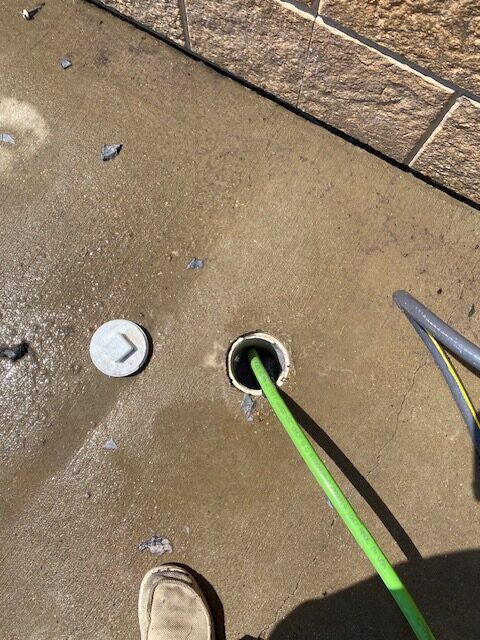
A sewer camera inspection is the fastest way to confirm that drain pipes need replacing. The technician feeds a flexible cable with a lighted camera head through a cleanout and pushes it through the line while watching a monitor in real time. You see the actual interior condition: scale buildup, cracks, offset joints, root intrusion, and low spots that hold standing water. A locator on the camera head marks the depth and position of any defect from above ground, which matters enormously when repairs require digging. Recurring backups in the same drain, gurgling toilets when the washing machine drains, and sewage odors in the yard all justify an inspection. Guessing at a sewer problem usually leads to digging in the wrong place. The video record also gives you documentation for insurance claims or real estate negotiations.
What the camera shows determines the repair path. A single crack or an isolated offset joint can often be spot repaired with a short excavation and a new section of pipe. Widespread channeling in cast iron, multiple breaks, or a belly that holds water across several feet calls for replacement of the full run. Root intrusion at every joint in a clay line means the roots will return no matter how many times the line gets cleared. Hydro jetting clears scale, grease, and root mass effectively, and it is often the right first step, but it does not restore structural integrity to a pipe that has already lost its wall thickness. A good plumber shows you the footage and explains what each defect means for the life expectancy of the line. If your drains back up more than once a year, click here for our sewer line inspection service and get a definite answer instead of another guess.
Timing the inspection matters more than most people realize. North Texas summers dry out expansive clay soil, which shrinks and pulls support out from under buried lines, opening joints that sealed fine in the spring. Mature trees pull moisture aggressively during drought, and roots follow the moisture straight to any leaking sewer joint they can reach. An inspection during the dry season often reveals separations that close back up when the soil swells again after fall rain. Scheduling before a major remodel or a foundation repair is smart, because both projects become far more expensive when a broken sewer line turns up midway through. Homes older than forty years benefit from an inspection every few years even with no symptoms. Catching a failing line before it collapses keeps the repair on your schedule rather than an emergency schedule.
Pressure Testing And Leak Detection That Confirm Water Pipes Need Replacing
Supply lines require different tools than drains, since a camera cannot travel through pressurized water piping. A plumber starts with a static pressure reading at an exterior hose bib to see what the system carries at rest. Readings above 80 psi mean the house needs a pressure reducing valve, and they also explain a history of unexplained leaks and failed appliance connections. Next comes a flow test at multiple fixtures to measure how much volume the lines actually deliver compared to what the pipe size should provide. A large gap between the two numbers points to interior corrosion or scale narrowing the pipe. Isolating sections with the shutoff valves shows which branch is losing pressure. These three measurements together usually identify the problem area within an hour.
Finding a hidden leak takes specialized equipment and real experience. Acoustic listening devices amplify the sound of water escaping a pressurized line through concrete, soil, or drywall. Thermal imaging cameras reveal temperature differences where hot water is escaping under a slab or behind a wall. Pressure isolation testing separates the hot side from the cold side to determine which system is losing water. Tracer gas testing introduces a safe gas mixture into an empty line and detects where it surfaces, which works well for locating slab leaks precisely. Accurate location keeps the repair small, since blind excavation of a concrete slab damages far more flooring than a targeted opening. Anyone who suggests breaking up concrete without locating the leak first is guessing with your house.
The results of these tests point toward one of three outcomes. A single failure in otherwise sound pipe gets repaired, and the system goes back into normal service. A pattern of thin walls, low flow, and repeated leaks calls for a full repipe of the supply system. Repeat slab leaks in the same house typically call for rerouting the water lines overhead through the attic and abandoning the under slab runs entirely, which puts every future repair within easy reach. Overhead reroutes also protect against the foundation movement that comes with expansive clay soil in this part of Texas. Cost, remaining service life, and disruption all factor into the decision. If your supply lines keep failing and you want a permanent answer, click here for our repiping service and we will walk through the options for your home.
Choosing Materials When Your Pipes Need Replacing
PEX has become the standard choice for residential repipes, and for good reason. Cross linked polyethylene is flexible, which lets a plumber run long continuous lengths through walls and attics with very few joints, and every joint eliminated is a potential leak eliminated. It handles freezing conditions better than rigid pipe because it expands slightly instead of splitting, which matters during the hard freezes that hit North Texas every few winters. PEX resists the scale buildup and corrosion that destroy steel and shorten the life of copper. It costs less to install than copper, largely because the labor goes faster and requires no open flame in your walls. PEX does degrade under sustained sunlight, so it must be protected wherever it runs outdoors or through an uncovered area. Rodents can chew it in rare cases, which is worth mentioning for homes with known attic pest issues.
Copper remains a strong option and still makes sense in specific situations. Type L copper has thicker walls than Type M and holds up better in aggressive water conditions or under slab installations. It tolerates high temperatures without issue, resists UV exposure completely, and carries a long track record that appraisers and inspectors recognize. Copper costs more in both material and labor, and installation requires soldering or press fittings done correctly to avoid future failures. Water with low pH or high velocity can pit copper from the inside over time, so proper pipe sizing is not optional. Some homeowners choose copper for exposed runs and PEX for concealed runs, which is a reasonable hybrid. A plumber who explains the tradeoffs honestly is more valuable than one who pushes a single product for every house.
Drain and sewer replacement follows its own material logic. PVC and ABS have replaced cast iron for residential drain work because both resist corrosion completely and install faster. Cast iron still holds an advantage in one area, which is sound dampening, so some builders use it for upper floor drain stacks in multi story homes. For sewer lines outside the house, trenchless methods often avoid tearing up a driveway or mature landscaping. Pipe bursting pulls a new pipe through the path of the old one while breaking the old pipe outward, and cured in place lining forms a new pipe inside the existing host pipe. Neither method fits every situation, since severe collapses, sharp offsets, and shallow depths sometimes require traditional excavation. A camera inspection tells the plumber which method the line will actually accept.
Why You Need A Licensed Plumber When Your Pipes Need Replacing
Repiping a house touches structure, water quality, and code compliance all at once, so the work belongs with a licensed professional. Texas requires plumbers to hold a license through the Texas State Board of Plumbing Examiners, and most repipe work requires permits and inspections. Unpermitted plumbing creates real problems at resale, when a buyer’s inspector flags work that was never signed off. Beyond the paperwork, the difference between a good repipe and a bad one shows up in details most homeowners never see: proper pipe sizing, correct support spacing, protection plates at every stud penetration, and clean transitions between materials. Those details determine how long the new system lasts. Getting them right the first time is far cheaper than opening walls again in five years.
The Real Cost Of Waiting When Your Pipes Need Replacing
Delay is the most expensive choice available with failing pipes. A planned repipe happens on your schedule, with drywall cuts made in sensible locations and water restored each evening. A burst line happens at two in the morning and soaks flooring, baseboards, cabinets, and insulation before anyone notices. Water damage restoration frequently costs more than the plumbing repair that would have prevented it, and mold remediation adds to that total quickly. Insurance often covers sudden damage but denies claims tied to long term seepage the homeowner should have caught.
Slow leaks cause quieter damage that adds up over years. Water escaping under a slab softens the soil beneath the foundation and contributes to settlement, which is a serious matter in this region’s clay soil. A leak inside a wall feeds mold growth in a space with no airflow and no light. Corroded galvanized pipe puts iron sediment into water that fills your glass and your washing machine. Every month of delay on a system already showing multiple symptoms increases the odds of a failure at the worst possible moment.
There are financial reasons to act as well. Old plumbing shows up on every home inspection report and becomes a negotiating point that costs sellers real money. Documented repipe work with permits closed out does the opposite and supports your asking price. Insurance carriers increasingly refuse coverage or raise premiums on homes with polybutylene or galvanized supply lines. Repairing the same problem repeatedly means paying for the same access work over and over. Comparing the total of the last three years of plumbing bills against a repipe quote often settles the question on its own.
What To Expect During A Repipe When Your Pipes Need Replacing
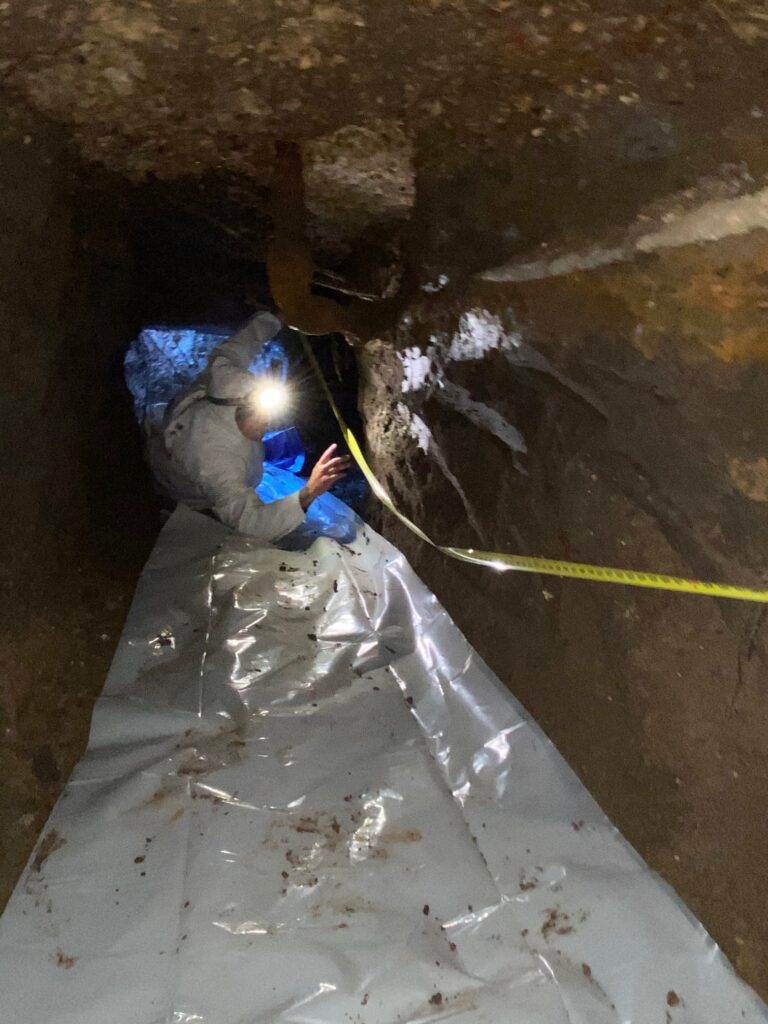
A whole house repipe is less disruptive than most people expect. A typical single family home takes two to five days depending on size, layout, and access. The plumber maps the system first, then determines the route that requires the fewest wall openings, often running new lines through the attic and dropping down to each fixture. Water gets shut off during working hours and restored before the crew leaves each evening in most cases. You stay in the house for the duration on nearly every job.
Wall access is the part homeowners ask about most. Openings are cut in specific spots to reach connection points, usually near fixtures and at branch junctions, and they are kept as small as the work allows. Many companies handle drywall patching in house, while others coordinate with a finisher, so confirm that detail in writing before work starts. Ask directly which fixtures get new shutoff valves and supply connections as part of the job. Clear expectations up front prevent disagreements later.
The final steps matter as much as the pipe installation itself. The new system gets pressure tested before any wall closes, then a municipal inspector verifies the work against code. Every line gets flushed thoroughly to clear debris before the fixtures go back into service. You should receive documentation covering the permit, the materials used, and the warranty terms for both parts and labor. If a water line between your meter and your house also needs attention, click here for our water line repair service so the whole system gets addressed together.
Why Choose Big Blade Plumbing & Rooter When Your Pipes Need Replacing
Big Blade Plumbing & Rooter has served Burleson and the surrounding communities as a licensed plumbing contractor since 2007. We handle residential and commercial plumbing, from a single failed shutoff valve to a complete repipe of an aging home. That range of experience means we recognize the difference between a pipe with life left in it and one that has run out. We work across Fort Worth, Mansfield, Arlington, Cleburne, Joshua, Crowley, Keller, and the rest of the surrounding area.
We give honest recommendations without pressure. If your pipes need a targeted repair instead of a full replacement, that is exactly what we will tell you, and we will show you the evidence behind the recommendation. If the system truly needs to be replaced, we explain the material options, the scope, and the timeline in plain language before anyone picks up a tool. Plumbing problems rarely wait for a convenient moment, so we respond fast when something fails. Our work is built for long term reliability, not for a quick patch that fails again next season.
Sewer line and drain solutions are a core part of what we do, along with water line repair, leak detection, and full repipes. Every job is backed by strong workmanship and completed to code with proper permits. Call us at (817) 517-2425 or email info@bigbladeplumbingandrooter.com to schedule an evaluation. You can also visit us at 2113 S Burleson Blvd, Burleson, TX 76028. One inspection tells you where your plumbing actually stands, and that answer is worth having before the next leak decides for you.