
Why Your Water Heater Runs Out Of Hot Water Faster In Winter
Cold weather changes how your water heater performs, and most homeowners notice it first in the shower. The tank has not shrunk and your family has not suddenly doubled in size, yet the hot water disappears several minutes sooner than it did in September. This happens because the water entering your home in January is much colder than the water entering it in August, which forces the burner or the heating elements to work far harder for the same result. Add a decade of sediment on the bottom of the tank, a garage that sits near freezing, and longer showers from everyone in the house, and a water heater that seemed perfectly adequate all summer starts falling behind. The good news is that almost every cause has a clear explanation and a practical fix. Some of those fixes are simple maintenance items you can schedule before the first hard freeze, while others point to a component that has already failed and needs attention from a licensed plumber. Understanding the difference saves money and prevents the cold shower that usually arrives on the worst possible morning.
What Makes A Water Heater Run Out Of Hot Water Faster In Winter
The core reason comes down to basic physics rather than anything mysterious about your equipment. Your water heater does not produce hot water out of nothing; it raises the temperature of the water coming in from the municipal supply, and the amount of work required depends entirely on how cold that incoming water is. In North Texas, supply water can sit near seventy degrees during the summer and drop into the low fifties or colder during a long winter stretch. That difference forces your heater to add roughly twenty five to thirty percent more heat to every single gallon it delivers. A tank that easily supported three back to back showers in July may only support two in January, even though nothing inside it has broken. Once you understand the temperature rise your heater has to overcome, the rest of the winter hot water puzzle starts making sense.
Cold Incoming Water Makes Your Water Heater Run Out Of Hot Water Faster
Every water heater in your home works against a number called temperature rise, which is simply the difference between the temperature of the water coming in and the temperature you have set on the thermostat. If your incoming water measures sixty five degrees in the fall and your thermostat is set to the recommended one hundred twenty degrees, the heater needs to add fifty five degrees of heat to each gallon. When that same incoming water drops to fifty degrees in the middle of winter, the heater now has to add seventy degrees to each gallon to reach the same setting. That is a significant jump in workload for equipment that has not changed at all. The burner does not get stronger and the elements do not draw more wattage; they simply have to run considerably longer to finish the job. Homeowners feel this as hot water that seems to thin out early in the shower.
The effect gets stronger the longer the cold snap lasts, because water mains that run through cold soil keep giving up heat day after day. A single chilly night barely moves the needle, but two weeks of hard freezes will pull the entire distribution system down several degrees. Cities that pull from surface reservoirs, which describes much of the Fort Worth and Burleson area, see even bigger seasonal swings than systems drawing purely from deep wells. Your water heater has no way to compensate for this on its own, so the burden lands on the recovery cycle. If the tank was already marginally sized for your household, that cushion vanishes. Families who added a bathroom, a soaking tub, or a couple of teenagers since the heater was installed usually notice the shortfall in December rather than June.
There is also a mixing factor that most people never think about. When you take a shower, you are not using pure one hundred twenty degree water; you are blending hot water with cold water at the valve until it feels comfortable. In the summer, that cold side is already lukewarm, so a comfortable shower might pull sixty percent hot and forty percent cold from the fixture. In the winter, that same comfortable shower temperature requires a much higher percentage of hot water because the cold side is genuinely cold. You end up drawing more gallons out of the tank per minute without changing a single habit. Multiply that across every shower, every sink, and every load of laundry in the house, and the tank simply empties faster than it did a few months earlier.
Slow Recovery Rate Makes Your Water Heater Run Out Of Hot Water In Winter
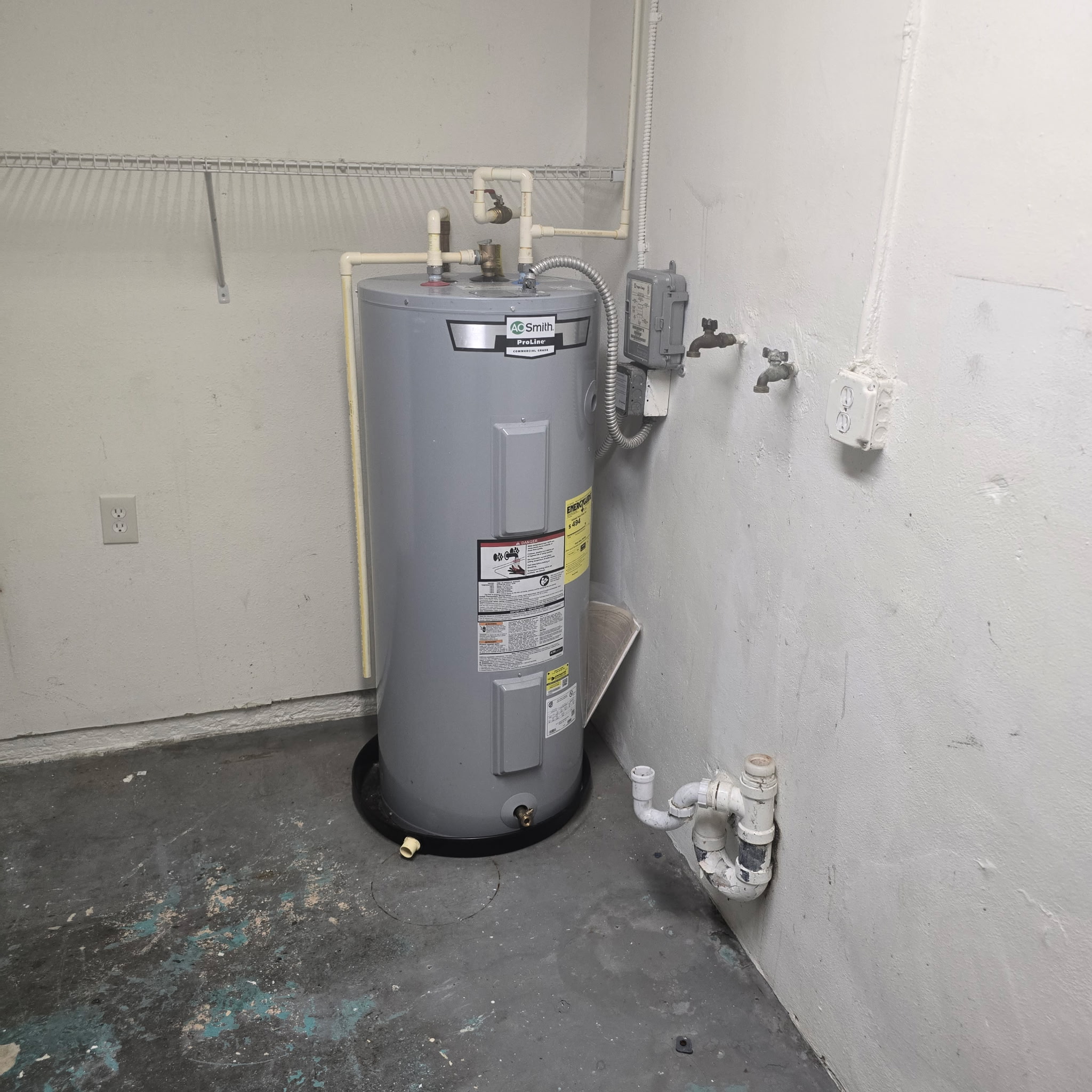
Recovery rate describes how many gallons of water your heater can bring up to temperature in one hour, and it is one of the most useful numbers on the data plate. Manufacturers publish it at a standard ninety degree temperature rise, which gives you a clean way to compare units. A typical forty gallon natural gas tank recovers somewhere around forty gallons per hour, while a standard electric model with two forty five hundred watt elements recovers closer to twenty gallons per hour. That gap explains why electric water heaters feel far more strained in cold weather than gas models do. When the incoming water drops fifteen degrees, the effective recovery rate drops right along with it. An electric tank that needed an hour to refill with usable hot water may now need well over an hour, which is a long wait when three people are trying to get ready for work.
The related number is the first hour rating, which tells you how much hot water the heater can deliver in sixty minutes starting from a fully heated tank. It combines the storage capacity with the recovery rate, so a fifty gallon gas heater might carry a first hour rating near eighty or ninety gallons. That rating assumes standard conditions, and winter conditions are not standard. Real world winter output falls below the label figure because the burner has to overcome a larger temperature rise on every gallon it processes. Households that consistently drain the tank should compare their peak demand against that rating rather than the raw gallon capacity. A larger tank helps, but a faster recovery rate often helps more for families that use hot water in tight clusters.
Tankless water heaters face the same physics in a different form. Instead of running out of stored hot water, a tankless unit loses flow capacity as the temperature rise climbs. A unit that comfortably delivers five gallons per minute during warm months may only deliver three and a half gallons per minute during a hard freeze, because it can only add so many degrees to so much water at once. That is why some tankless owners can run a shower and the dishwasher together in the summer but not in the winter. The unit is not failing; it is hitting the design limit that the manufacturer published. Proper sizing at installation accounts for the coldest expected inlet temperature, which is exactly why professional load calculations matter. If your water heater is struggling to keep up this season, click here for our water heater repair service and we will diagnose the actual cause instead of guessing.
Winter Standby Heat Loss Makes A Water Heater Run Out Of Hot Water Faster
Standby heat loss refers to the heat that escapes from your tank and pipes while nobody is using any water at all. Every storage water heater loses some heat through the tank walls, the fittings, and the flue, and the rate of that loss depends on the temperature difference between the water inside and the air outside. A tank sitting in a seventy degree conditioned hallway loses heat slowly. That same tank sitting in an uninsulated garage at thirty eight degrees loses heat much faster, which triggers the burner to cycle on repeatedly even when no faucet is open. All of that fuel goes toward maintaining temperature rather than serving your family. Homeowners with garage or attic installations feel this most sharply during cold snaps.
Hot water piping contributes to the same problem in a way that is easy to overlook. When the hot water lines run through an unconditioned attic, a crawl space, or an exterior wall, the water sitting in those pipes cools down between uses. You turn on the shower and stand there while several gallons of lukewarm water run down the drain before anything warm arrives. Those wasted gallons came directly out of your tank, so the tank starts every shower already partly depleted. Insulating accessible hot water lines is one of the cheapest and most effective improvements available, and it pays off every single day of the cold season. Foam sleeves on the first several feet of pipe leaving the heater help even in mild climates.
Insulating the tank itself can help on older equipment, but the details matter and mistakes create real hazards. A jacket or blanket rated for water heaters can reduce standby loss on tanks manufactured before modern foam insulation standards. On a gas water heater, that blanket must never cover the top of the unit, the draft hood, the flue, the burner access panel, the thermostat, or the combustion air openings. Blocking any of those creates a serious risk of poor combustion and carbon monoxide. On an electric unit, the thermostat access panels and any labels must stay clear. Many newer tanks already carry enough factory insulation that a blanket adds little, so it is worth asking a licensed plumber before spending money on one.
Water Heater Problems That Get Worse In Winter And Shorten Hot Water Supply
Cold weather does not only add workload; it also exposes weaknesses that stayed hidden all summer. A water heater running at seventy percent of its original capacity can still satisfy a household in July, because the temperature rise is small and the margin is generous. Strip that margin away in January and the same unit produces obvious symptoms. Sediment, failed components, and worn parts all reduce output in ways that feel identical from the shower but require completely different repairs. Diagnosing the correct one saves you from replacing a perfectly good water heater over a thirty dollar part. It also keeps you from pouring money into a tank that has already reached the end of its service life.
Sediment Buildup Shortens Water Heater Hot Water Supply In Winter
North Texas water carries a significant mineral load, and those minerals do not stay dissolved forever. As water heats inside the tank, calcium and magnesium precipitate out and settle on the bottom as a layer of hard scale and loose sediment. On a gas water heater, the burner sits directly beneath that bottom surface, so the sediment acts as an insulating barrier between the flame and the water. The burner runs longer to accomplish less, and the steel above the flame runs hotter than it should. That extra heat stress shortens tank life and often produces the popping or rumbling sound many homeowners hear during a heating cycle. Those noises are steam bubbles forming under the sediment layer and forcing their way out.
Sediment also steals storage volume, which matters far more in winter than in summer. Several inches of accumulated scale in a fifty gallon tank can effectively reduce usable capacity by several gallons. In warm months, that loss hides behind a comfortable margin. In cold months, when you already need more hot water per shower and the recovery cycle is already slower, those missing gallons show up as an early cold blast. Electric water heaters suffer differently but just as much, because sediment can bury the lower heating element completely. A buried element overheats, burns out early, and leaves you running on the upper element alone.
Annual flushing is the standard preventive measure, and it works best when done consistently rather than heroically. Draining a few gallons from the drain valve each year keeps loose sediment moving out before it hardens into scale. Tanks that have gone many years without service sometimes cannot be flushed effectively, because the hardened layer no longer breaks free and the drain valve may clog or fail to reseat. In those cases a professional evaluation determines what is still worth doing. Homes with especially hard water benefit from a water softener or a scale reduction system upstream of the heater. Regular maintenance also gives a plumber a chance to inspect the anode rod, which quietly protects the tank lining from corrosion and typically needs replacement every few years.
A Broken Dip Tube Shortens Your Water Heater Hot Water Supply
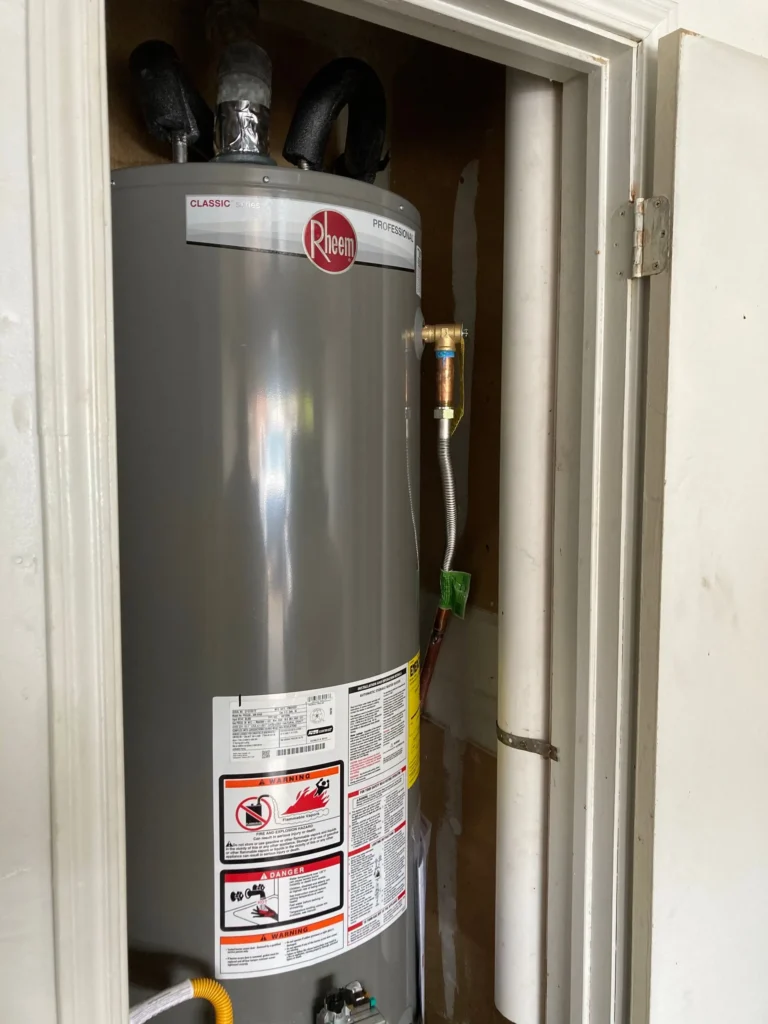
The dip tube is a long plastic tube attached to the cold water inlet that carries incoming water down to the bottom of the tank. It exists because hot water rises and cold water sinks, so delivering fresh cold water to the bottom keeps the hot layer at the top intact and ready for the outlet. When that tube cracks, breaks off short, or disintegrates, incoming cold water dumps into the middle or top of the tank instead. It mixes immediately with the hot water waiting to leave through the outlet. The result is water that starts out hot and then turns lukewarm surprisingly fast, even though the burner is working fine and the tank is full.
This failure produces one of the most confusing symptom sets a homeowner encounters. The heater sounds normal, the pilot or the elements operate correctly, and the thermostat reads exactly where it should. Yet showers get short and the hot water that does arrive never feels as hot as it used to. Winter magnifies the problem because the incoming water doing the mixing is significantly colder than it was during warmer months. A dip tube failure that produced a mild annoyance in September can produce a genuinely cold shower in January. Some homeowners also find small white plastic particles in faucet aerators and shower heads, which is a strong clue that a deteriorating dip tube is shedding material into the plumbing.
Replacement is usually straightforward on an accessible tank and costs far less than a new water heater. A plumber shuts off the water and the fuel source, drains the tank, removes the cold inlet fitting, and installs a new tube of the correct length and material. It is also a good moment to evaluate the overall condition of the unit, because a tank old enough to have a failing dip tube may have other worn components. Water heaters made during a specific window in the nineteen nineties used a defective tube compound that failed early, though most of those units have long since been replaced. If your hot water fades quickly and nothing else seems wrong, this component belongs near the top of the diagnostic list. A licensed plumber can confirm it in a single visit rather than leaving you to guess.
Failed Heating Elements And Burner Problems Cut Water Heater Hot Water Supply In Winter
Electric water heaters typically use two heating elements, one near the bottom of the tank and one near the top, controlled by separate thermostats. Under normal operation, the upper element heats first, then hands off to the lower element, which does the bulk of the ongoing work. When the lower element fails, the upper element keeps working and heats only the top portion of the tank. You still get hot water, and that is precisely what makes the failure so confusing. The hot water simply runs out in a fraction of the usual time, often after five or six minutes instead of fifteen or twenty. Winter demand exposes this immediately because there is no summer margin left to hide behind.
Gas water heaters develop their own set of output problems. A burner assembly coated in dust, lint, or rust does not produce clean, efficient combustion, and the flame pattern suffers. Air intake screens at the base of the unit collect debris over time and restrict the combustion air the burner needs. A partially blocked flue prevents exhaust gases from leaving properly, which is both an efficiency problem and a safety concern. Thermocouples and gas control valves also wear out, sometimes causing intermittent operation that leaves the tank partially heated. Any suspicion of a venting or combustion issue deserves immediate professional attention, since improper combustion can produce carbon monoxide.
Thermostat drift and control failures round out the list. A thermostat that reads inaccurately may shut the heating cycle down before the tank reaches the set temperature, leaving you with a tank that is technically full but only partly hot. Failed mixing valves and worn faucet cartridges create a different version of the same complaint by allowing cold water to migrate into the hot water line, which drops the delivered temperature throughout the house. Recirculation pumps that run around the clock also consume tank capacity by constantly cycling water through cooling pipe runs. Each of these causes feels the same at the fixture but requires a different repair. If your unit has passed the ten year mark and is showing multiple symptoms at once, click here for our water heater installation service to review properly sized replacement options before winter arrives.
Why You Need A Professional Water Heater Inspection Before Winter
The best time to address winter hot water problems is before the temperature actually drops. A water heater that is already marginal in October will be genuinely inadequate in January, and emergency replacements always cost more and take longer than planned ones. A professional inspection identifies sediment levels, component wear, venting issues, and sizing problems while you still have time to make an unhurried decision. It also catches safety concerns that homeowners rarely notice, including corroded fittings, failing relief valves, and combustion air restrictions. For most households, the visit takes less than an hour and either confirms the unit is in good shape or gives you a clear repair plan. Either outcome is worth knowing before the first hard freeze.
What A Professional Water Heater Inspection Before Winter Includes
A thorough water heater inspection starts with the basics that determine daily performance. The plumber verifies the thermostat setting, checks the actual delivered temperature at a nearby fixture, and compares the two to identify drift. One hundred twenty degrees remains the standard recommendation, since it limits scald risk while still discouraging bacterial growth in the tank. The inspection then moves to the tank itself, checking for corrosion at the fittings, moisture around the base, and any staining that suggests a slow leak. Sediment level gets evaluated during a partial flush of the drain valve.
The safety portion of the inspection carries just as much weight as the performance portion. The temperature and pressure relief valve gets tested to confirm it operates and reseats correctly, since a stuck valve is a genuine hazard. On gas units, the plumber inspects the burner, the flame pattern, the draft hood, the flue connections, and the combustion air openings. The gas connection and shutoff valve get checked for leaks and proper operation. On electric units, the elements, thermostats, and wiring connections get tested for continuity and heat damage.
Finally, a good inspection addresses the whole hot water system rather than just the appliance. The plumber looks at the expansion tank, the shutoff valves, the water connections, and any accessible hot water piping that runs through unconditioned space. Insulation recommendations for pipes and for the tank come out of that walkthrough. Sizing gets reviewed against your actual household demand, which often changed since the unit was installed. Cold weather also brings freeze risk to exposed piping, so click here for our piping services if your lines need insulation, repair, or rerouting before winter.

When To Repair And When To Replace A Water Heater Before Winter
Repair usually makes sense when the tank itself is sound and the failure is limited to a serviceable component. Heating elements, thermostats, dip tubes, thermocouples, gas control valves, relief valves, and drain valves all fall into that category. If the unit is under eight years old, has been flushed reasonably often, and shows no rust or moisture at the base, a targeted repair typically returns it to full output. Repairs also make sense when a single symptom appeared suddenly rather than developing gradually over several seasons. A plumber who tests before quoting can tell you clearly which situation you are in.
Replacement becomes the better value when age and condition stack up together. Standard tank water heaters generally last eight to twelve years in this region, and hard water shortens that range. Rust colored water, moisture at the base, repeated component failures, and a tank that no longer flushes clean all point toward the end of service life. A leaking tank is not repairable, since the failure is in the glass lining and the steel behind it. Replacing on your schedule protects your floors, your walls, and your budget far better than replacing after a rupture.
Replacement also opens the door to better sizing and better technology. Households that outgrew their original unit can move up in capacity or step into a higher recovery model that handles winter temperature rise more comfortably. Tankless systems eliminate standby loss and deliver unlimited duration, though they require correct sizing for the coldest expected inlet temperature and proper gas and venting capacity. Heat pump water heaters offer strong efficiency in the right installation space. An honest evaluation of your household demand, your fuel type, and your available space produces a better outcome than simply matching whatever was there before.
Why Choose Big Blade Plumbing And Rooter For Water Heater Service Before Winter
Big Blade Plumbing and Rooter has worked as a licensed plumbing contractor since 2007, serving homes and businesses throughout Burleson, Fort Worth, Cleburne, Mansfield, Joshua, Crowley, Arlington, and the surrounding communities. That experience covers thousands of water heaters across every fuel type, tank size, and installation configuration common in North Texas. We know how local water chemistry affects tank life and how quickly incoming water temperatures fall during a hard freeze. That local knowledge shapes the recommendations we make. It also means we size and install equipment for the conditions your home actually faces.
Our approach starts with honest recommendations and no pressure. We test before we quote, we explain what we found in plain language, and we tell you clearly when a repair will solve the problem instead of pushing a replacement you do not need. When replacement genuinely is the right call, we walk you through the options and the tradeoffs so the decision belongs to you. Quality workmanship matters to us because we want the installation to still be performing well many years from now. Long term reliability is the standard we hold ourselves to on every job.
We also understand that hot water problems rarely wait for a convenient moment. Fast response times are part of how we serve this community, and we treat a house without hot water in the middle of winter as the urgent situation it is. Our team handles residential and commercial plumbing, from water heaters and drain cleaning to sewer line and gas line work. Call us at (817) 517-2425 or email info@bigbladeplumbingandrooter.com to schedule a water heater inspection before the cold sets in. You can also visit us at 2113 S Burleson Blvd in Burleson, Texas.