
How To Avoid Kitchen Drain Clogs During The Holidays
The holiday season puts more strain on your kitchen plumbing than any other time of the year, and most homeowners never think about it until the sink stops draining halfway through a family dinner. Between roasting pans, gravy drippings, potato peels, and a sink full of dishes that never seems to empty, your kitchen drain line handles a volume of grease and food waste it simply does not see in a normal week. Plumbers across North Texas take more emergency calls for kitchen drain clogs between Thanksgiving and New Year’s Day than during any other stretch on the calendar. The good news is that nearly every one of those clogs is preventable with a few changes in how you handle waste at the sink. Understanding what actually goes down the drain, and what happens to it once it leaves the P trap, makes the difference between a smooth holiday and a flooded cabinet. This guide walks through the real causes of holiday kitchen drain clogs, the habits that prevent them, and the warning signs that tell you a professional needs to get involved before the problem gets worse. Big Blade Plumbing & Rooter has cleared these lines in Burleson and the surrounding communities since 2007, and the pattern repeats every single year.
What Causes Kitchen Drain Clogs During The Holidays
Holiday cooking creates a specific combination of waste that kitchen drain lines are not designed to move. A standard kitchen drain line measures only one and a half to two inches in diameter, and it depends on a steady flow of water to carry solids out to the main sewer line. When grease, starch, and fibrous scraps enter that line in large amounts over a short period, they settle along the pipe walls instead of flushing through. Each new load of dishwater sticks to what came before, and the opening narrows a little more with every meal. By the time water starts backing up into the basin, the blockage has usually been building for days or weeks. Recognizing the three main contributors gives you a clear picture of where the risk actually comes from.
Grease And Cooking Oil Cause Most Holiday Kitchen Drain Clogs
Fats, oils, and grease are responsible for the majority of kitchen drain clogs that plumbers clear during the holidays, and the reason has everything to do with temperature. Bacon grease, turkey drippings, butter, gravy, and the oily film left on a roasting pan all pour easily while they are hot, which convinces people that they are safe to rinse down the sink. Once that liquid enters your drain line, it hits a pipe surrounded by cool soil or unheated crawl space air, and it begins to congeal within a few feet of the sink. The grease coats the inside of the pipe in a layer that thickens with every rinse cycle, and it grabs onto every particle of food that passes by. Detergent, coffee grounds, and small scraps bond into that layer until the pipe opening shrinks to a fraction of its original size. Running hot water afterward does not solve the problem; it only pushes the grease farther down the line before it hardens somewhere less convenient to reach.
The damage compounds in homes with older cast iron or galvanized drain lines, which are common throughout established neighborhoods in Burleson, Cleburne, and Fort Worth. Cast iron develops interior scale and rust tubercles over decades of service, and those rough surfaces catch grease far more aggressively than smooth PVC does. A pipe that started at two inches across may have an effective opening closer to an inch after years of accumulation, so it takes very little additional grease to finish the job. Homeowners in these houses often report that the sink drained fine for years and then suddenly failed during a holiday weekend, but the truth is that the line had been closing off gradually the entire time. Heavy holiday use just removed the last bit of margin. This is one reason a camera inspection can be worth the cost in an older home, since it shows exactly how much room is left inside the pipe.
Disposing of grease correctly takes about ten seconds and eliminates the single largest risk to your kitchen line. Pour cooled cooking fat into an empty can, a glass jar, or a lined container, let it solidify on the counter or in the refrigerator, and throw it in the trash once it hardens. Wipe greasy pans and plates with a paper towel before they ever reach the sink, which removes the residue that dishwater alone will never carry away. Keep a dedicated container near the stove during heavy cooking days so nobody has to hunt for one while a pan is still hot. Ask guests who offer to help with cleanup to follow the same routine, because a well meaning family member scraping a roasting pan into the disposal can undo weeks of careful habits in one minute. Small containers of grease in the trash cost you nothing, while a main line blockage on a holiday weekend costs considerably more.
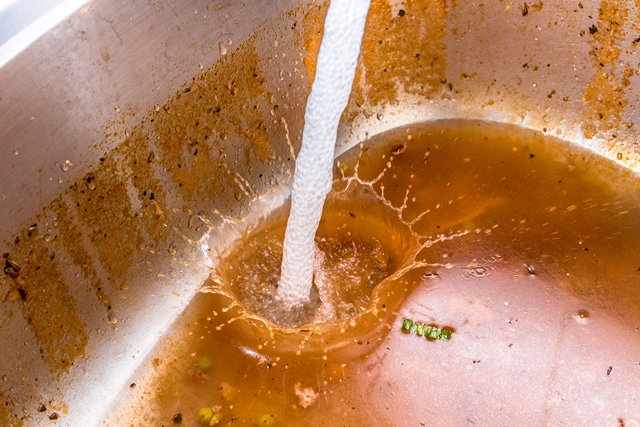
Food Scraps That Lead To Holiday Kitchen Drain Clogs
Certain foods cause trouble in drain lines regardless of how much water you run behind them, and holiday menus are full of them. Starchy items like potato peels, pasta, rice, and stuffing absorb water and expand, then break down into a thick paste that clings to pipe walls and traps everything behind it. Fibrous vegetables such as celery, asparagus, onion skins, artichokes, and corn husks contain long strands that wrap around disposal impellers and knit together into mats inside the drain line. Coffee grounds seem harmless because they are small, but they do not dissolve; they settle in low spots and pack together into a dense sludge that behaves like wet sand. Eggshells break into sharp fragments that combine with grease to form a gritty abrasive layer, and the thin membrane inside the shell wraps around moving parts. Bones and fruit pits should never enter a disposal at all, since they can damage the unit and lodge in the trap below.
The volume issue matters as much as the food type during holiday meals. A normal weeknight sends a cup or two of scraps toward the sink, spread across an evening with plenty of water flow in between. Thanksgiving dinner for fifteen people can send several pounds of waste down the same drain within an hour, all at once, with grease from the same meal riding along with it. Even a drain line in excellent condition struggles with that kind of load, and any existing buildup turns a heavy load into a complete blockage. Scraping plates into the trash or a compost bin before rinsing removes most of that risk immediately. A simple mesh sink strainer catches what the scraping misses and costs a few dollars at any hardware store.
Guests create an additional layer of unpredictability that homeowners rarely plan for. Family members helping with cleanup do not know that your disposal struggles with certain items or that your kitchen line has a history of slow drainage. They rinse plates the way they do at home, and half of them are used to a garbage disposal that they treat as a second trash can. Setting out a clearly marked scrap bowl or a lined trash can right next to the sink solves this without anyone needing a lecture on plumbing. It also speeds up cleanup, since scraping into a bowl beats waiting for a disposal to grind through a plate of stuffing. A few minutes of setup before guests arrive prevents the kind of blockage that turns a good evening into a phone call for emergency service.
Older Pipes And Heavy Use Create Holiday Kitchen Drain Clogs
Drain line condition determines how much abuse a kitchen sink can absorb before it fails, and many homes in the area are working with pipes installed decades ago. Cast iron drain lines were standard in construction through the 1970s, and while cast iron lasts a long time, the interior surface deteriorates well before the pipe leaks. Scale builds inward, the walls roughen, and sections can develop bellies where the line has settled and water no longer drains at a consistent slope. Those low spots hold standing water and debris permanently, which gives grease an ideal place to accumulate. Galvanized steel lines corrode from the inside in a similar pattern and often reduce to a fraction of their original diameter. Owners of these homes should treat holiday cooking with more caution than someone in a newer house with PVC drains.
Improper installation causes recurring problems that no amount of careful scraping will fix. Drain lines need a consistent fall of about a quarter inch per foot to carry solids along with the water flow, and lines that are too flat allow water to outrun the debris it should be pushing. Too much slope creates the same problem in reverse, since water races ahead and leaves solids stranded. Long horizontal runs, extra fittings, and improvised repairs by previous owners all add friction and catch points. A kitchen island sink with a long run to the wall is a frequent trouble spot for exactly this reason. When a drain clogs in the same place year after year, the layout itself is usually the underlying cause rather than anything happening at the sink.
Dishwasher connections deserve a specific mention because they share the kitchen drain line and multiply the load during heavy use. A dishwasher discharges into either the garbage disposal or a dedicated port on the sink drain, and it needs a high loop or an air gap to prevent dirty water from siphoning back into the appliance. When the shared drain line partially clogs, the dishwasher often shows the first symptom by leaving standing water in the bottom of the tub. Running the dishwasher three or four times a day during a holiday weekend pushes far more water and food debris through that line than usual. If your dishwasher starts draining slowly at the same time the sink does, the blockage sits downstream of both connections. That is a clear signal to stop running both fixtures and get the line cleared before it backs up completely.
How To Prevent Kitchen Drain Clogs Before And During The Holidays
Prevention costs far less than emergency service, and the habits that protect a kitchen drain are simple enough that anyone in the household can follow them. The goal is straightforward: keep grease and solids out of the pipe, and keep enough water moving through the line to carry away what does get in. Most homeowners already do part of this correctly and lose ground on one or two specific points, usually involving the disposal or the way pans get rinsed. Getting ahead of the season with a professional cleaning also removes any buildup that has accumulated through the year, which restores the pipe’s full capacity before the heavy use starts. Combining good daily habits with proper maintenance keeps a kitchen line working through the busiest cooking weeks of the year without incident.
Daily Habits That Prevent Holiday Kitchen Drain Clogs
Start with the sink itself, because most prevention happens before anything reaches the drain opening. Install a quality mesh strainer in each basin and empty it into the trash after every meal, which stops the majority of solids at the surface. Scrape every plate, pan, and serving dish into the trash before it goes into the sink, and wipe anything with a visible oil film using a paper towel. Run cold water for twenty to thirty seconds after washing greasy dishes so any residue that does get through moves well past the trap while it is still suspended. Avoid dumping large volumes of liquid waste like leftover brine, soup, or drink pitchers all at once, since the solids in those liquids settle out as soon as the flow slows. These steps take almost no extra time once they become routine, and they eliminate the conditions that clogs need in order to form.
Water temperature matters more than most people expect, and the common advice to flush with hot water actually works against you when grease is involved. Hot water keeps fat liquid long enough to travel deep into the drain line, where it cools and hardens in a section that is much harder to reach. Cold water keeps grease in a semi solid state so the disposal can break it into small pieces that flush through with the flow. Use cold water any time the disposal is running or greasy dishes are being rinsed, and save hot water for washing and for a final flush after the grease is gone. A weekly flush of very hot tap water and a squirt of dish soap through an otherwise clean drain helps carry away light residue. Boiling water poured directly into PVC drain lines is not recommended, since PVC softens near the boiling point and repeated exposure can weaken glued joints.
Chemical drain cleaners belong in a separate category, and the honest recommendation is to avoid them. Caustic products generate heat as they react, which can soften PVC, damage rubber gaskets, and accelerate corrosion in older metal pipes. They rarely dissolve a grease blockage completely, so the caustic liquid often sits in the trap where it creates a hazard for anyone who opens the pipe later. If a plumber has to disassemble a drain full of chemical cleaner, the job becomes slower and riskier for everyone involved. Enzyme based maintenance products are a far better option for routine upkeep, since they use bacteria to break down organic material gradually without attacking the pipe. Pour an enzyme treatment into the drain once a month at night when no one will run water for several hours, and it will slowly digest the film that builds along the pipe walls. Want your kitchen drain cleared the right way before the holidays start? Click here for our drain cleaning service.
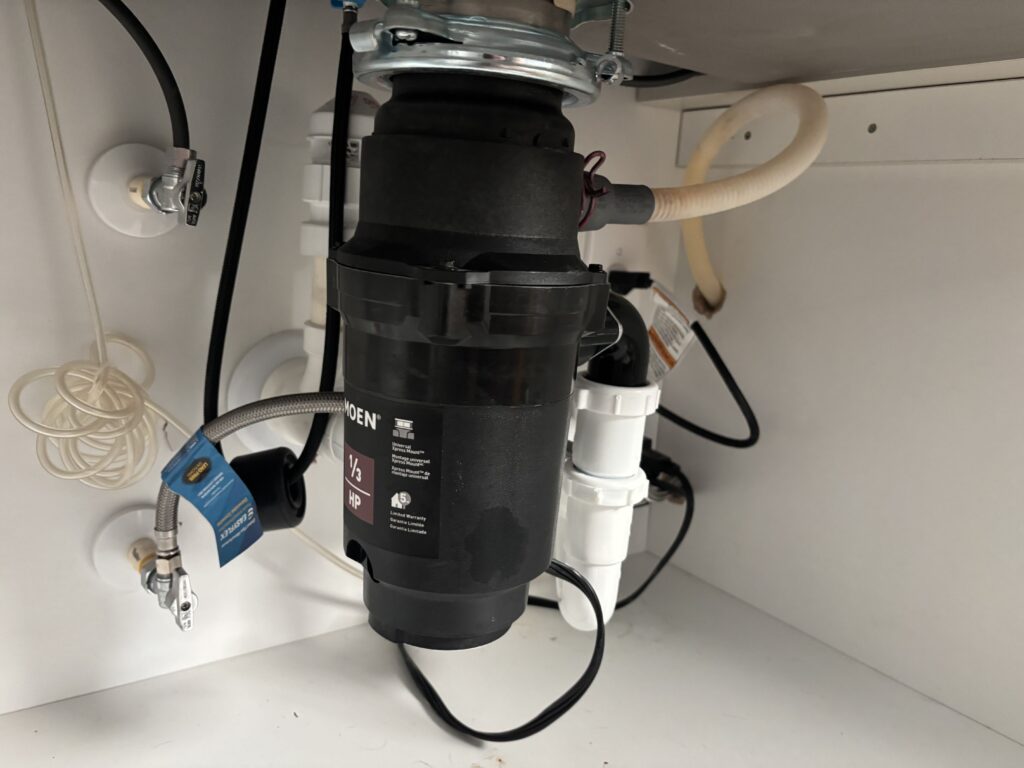
Using Your Garbage Disposal To Prevent Kitchen Drain Clogs
A garbage disposal is a helpful appliance and a frequent source of confusion, largely because people expect it to handle more than it was built for. The unit grinds soft food waste into small particles using blunt impellers and a rotating plate, and it depends on a steady flow of cold water to carry those particles out of the chamber. It is not a trash can, and it does not eliminate the need to scrape plates. Feed it small amounts at a time rather than packing the chamber full, and let the water run for fifteen to twenty seconds after the grinding noise stops so everything clears the trap. Never put grease, bones, fruit pits, coffee grounds, pasta, rice, potato peels, or fibrous vegetables into the unit. Following those limits keeps both the appliance and the drain line downstream of it in good shape.
Routine care keeps a disposal running cleanly and reduces odor without any special products. Grinding a tray of ice cubes knocks accumulated debris off the grinding surfaces and the chamber walls, which handles the buildup that causes most smells. Disposals do not have blades that need sharpening, so ice serves as a cleaning tool rather than a maintenance ritual. A handful of citrus peel afterward freshens the chamber, though it does nothing to clear a drain line. Baking soda and vinegar produce a satisfying reaction and help with odor, but they will not open a blockage that has already formed. If the unit hums without turning, cut the power at the switch and use the hex wrench in the bottom of the housing to free the jam before pressing the reset button.
Disposal age and condition affect how well the whole kitchen drain performs. Units that have been in service for eight to twelve years often grind less effectively, which sends larger particles into a line that expects fine ones. Leaks around the housing, persistent jams, loud rattling, and a unit that trips the reset button repeatedly all point toward replacement rather than repair. Upgrading to a properly sized unit with a stronger motor makes a real difference in a household that cooks frequently or hosts large gatherings. Correct installation matters as well, including removal of the dishwasher knockout plug when a dishwasher drains through the disposal, since leaving that plug in place guarantees a backup. Replacing an aging disposal before the holidays removes one common failure point during the weeks when you can least afford it. Need a garbage disposal replaced before the holiday cooking starts? Click here for our garbage disposal installation service.
Preventive Drain Cleaning Stops Kitchen Drain Clogs Before The Holidays
Scheduling a professional drain cleaning in the fall is the most reliable way to enter the holiday season with full capacity in your kitchen line. Even careful households accumulate a film of grease and soap residue over twelve months of normal cooking, and that film narrows the pipe whether or not you ever notice a slow drain. A professional cleaning removes that accumulation and returns the line to its original diameter, which gives you a real buffer for heavy use. The visit also gives a licensed plumber a chance to check the condition of the trap, the drain arm, and the connections under the sink. Small problems like a corroded trap or a poorly supported line show up during that inspection and get corrected before they cause a bigger failure. Homeowners who make this an annual habit rarely deal with holiday emergencies.
Camera inspection adds a level of certainty that no other method provides, particularly in homes with older drain lines or a history of repeat clogs. A small camera travels the length of the line and shows exactly what is happening inside, including scale buildup, bellies, offset joints, cracks, and root intrusion where the kitchen line ties into the main. That information changes the recommendation in meaningful ways, since a line with structural damage needs a different approach than one that is simply dirty. It also prevents unnecessary work, because a clean camera image tells you the pipe does not need anything beyond routine care. Guessing at the cause of a recurring clog wastes money on repeat service calls that never address the real issue. Seeing the pipe removes the guesswork entirely.
Hydro jetting is the most thorough cleaning method available for a grease loaded kitchen line, and it works differently than the cable machines most people picture. A cable or auger punches a hole through the blockage and restores flow, which solves the immediate problem but leaves the grease layer intact on the pipe walls. Hydro jetting uses high pressure water through a specialized nozzle to scour those walls back to bare pipe, removing the material that would otherwise rebuild within weeks. The result lasts far longer and gives the line a genuine reset rather than a temporary opening. A responsible plumber inspects the line with a camera first, since jetting is not appropriate for pipes with significant structural damage. Applied to a sound line, it is the closest thing to a new drain without replacing anything. Dealing with a kitchen drain that clogs again every few months? Click here for our hydro jetting service.
Why You Need A Professional Plumber For Kitchen Drain Clogs
Store bought remedies and rented equipment have limits, and a kitchen clog that keeps coming back is telling you those limits have been reached. A licensed plumber brings diagnostic tools, commercial equipment, and the experience to tell the difference between a simple grease blockage and a failing drain line. That distinction matters, because clearing the same clog four times a year costs more than fixing the underlying cause once. Professional service also protects your pipes, your cabinets, and your flooring from the water damage that follows a backup nobody catches in time. Big Blade Plumbing & Rooter has worked on kitchen drains throughout Burleson, Fort Worth, Mansfield, Crowley, Joshua, and the surrounding communities since 2007. Knowing when to call is as valuable as knowing what to keep out of the sink.
Warning Signs Your Kitchen Drain Clog Needs A Plumber
A sink that drains slower than it used to is the earliest and most useful warning you will get. Water that pools around the drain opening and takes more than a few seconds to clear means the pipe has narrowed significantly, even though it has not closed off yet. Gurgling sounds from the drain or from the dishwasher indicate that air is being pulled through a partial blockage, which is a reliable sign that the line is closing. A persistent sour smell coming from the sink points to food debris trapped in the trap or the drain arm rather than anything in the disposal chamber. Catching the problem at this stage keeps it a routine service call instead of an emergency.
Some symptoms indicate a problem farther down the system and call for immediate attention. Water backing up into the second basin when you run the disposal means the blockage sits past the tee where both basins connect. Water appearing in the dishwasher, in a nearby floor drain, or at another fixture entirely points toward the main line rather than the kitchen branch. Any backup that affects multiple fixtures should stop all water use in the house until a plumber evaluates it. Continuing to run water at that point pushes wastewater into the lowest opening available, which is often a shower pan or a floor drain in a utility area. Shutting things down early limits the mess considerably.
Visible leaks under the sink deserve attention regardless of how the drain is performing. Moisture in the cabinet, warped cabinet flooring, water staining, or a musty odor all suggest a slow leak at the trap, the drain arm, or the disposal housing. A partially clogged line raises pressure at those joints and turns a minor seep into a steady drip. Prolonged moisture inside an enclosed cabinet leads to mold growth and damaged cabinetry that costs far more to repair than the plumbing itself. Checking under the sink with a flashlight once a month takes thirty seconds and catches these problems while they are still small.

Professional Drain Cleaning Clears Kitchen Drain Clogs For Good
Professional service starts with identifying the actual location and nature of the blockage instead of attacking it blindly. A plumber checks the trap and drain arm first, since a surprising number of kitchen clogs sit within a few feet of the sink and clear quickly. When the blockage is farther out, cable machines and hydro jetting equipment reach into the branch line and the main to remove it completely. Camera equipment confirms the line is clear afterward and documents the condition of the pipe for future reference. That verification step separates a real fix from a temporary opening that fails again in a few weeks.
The equipment difference is substantial and explains why rented machines often disappoint. Commercial cable machines carry the torque and cable length needed to reach through long runs and around multiple fittings without binding or damaging the pipe. Hydro jetting units produce the pressure and flow required to strip grease from pipe walls, which no consumer product can replicate. Operating either tool safely requires training, since a cable can damage a fragile line and jetting can worsen a pipe that is already compromised. A licensed plumber knows which method fits the situation and when neither one is the right answer. That judgment prevents the expensive mistakes that turn a clogged drain into a damaged drain.
Professional service also uncovers the root cause when a kitchen drain clogs repeatedly. Bellied sections, improper slope, undersized piping, deteriorated cast iron, and root intrusion at the main connection all produce clogs that no cleaning method will permanently resolve. Identifying those conditions lets you make an informed decision about repair or replacement instead of paying for the same service call every few months. In some cases a short section of pipe needs replacement, and in others the entire branch line needs to be rerouted with correct slope. Knowing the difference is worth far more than another temporary clearing.
Why Choose Big Blade Plumbing & Rooter For Kitchen Drain Clogs
Big Blade Plumbing & Rooter has served Burleson and the surrounding communities as a licensed plumbing contractor since 2007, handling both residential and commercial drain work. Our team has cleared thousands of kitchen lines across Johnson and Tarrant County homes, including older properties with cast iron drains and newer construction with poorly sloped island runs. That experience means we recognize the pattern quickly and get to the real problem instead of working through a checklist. We show up when we say we will, because a kitchen backup during a holiday weekend cannot wait until the following Tuesday. Fast response times are part of how we do business rather than an upsell.
Honest recommendations matter to us, and that means telling you when a drain needs nothing more than a routine cleaning. We do not push replacements that are not necessary, and we do not use pressure tactics to close a job. When a camera inspection shows a line in good condition, we say so and give you options for keeping it that way. When it shows real damage, we explain what we found and what each repair path involves so you can decide with complete information. Trust is built on straight answers, and we would rather earn a customer for years than win a single oversized invoice.
Quality workmanship is what keeps our customers calling back and referring their neighbors. We take the time to clear a line properly, verify the result, and leave the work area clean, because a job done halfway simply becomes another service call later. Our team handles drain cleaning, hydro jetting, sewer line inspection, garbage disposal installation, and every other service a kitchen plumbing system might need. Reach us at (817) 517-2425 or email info@bigbladeplumbingandrooter.com to schedule service or ask a question about your drains. Our shop is located at 2113 S Burleson Blvd in Burleson, and we would be glad to make sure your kitchen is ready before the cooking starts.