
How To Tell If You Have A Slab Leak
A slab leak happens when a water line beneath your concrete foundation cracks and starts to leak. Most homeowners in Burleson and across North Texas never see the pipe itself, so the problem can hide for weeks before anyone notices it. The first clues are usually small, like a higher water bill or the faint sound of running water with every faucet off. Left alone, a slab leak can ruin your flooring, weaken your foundation, and waste thousands of gallons of water. The good news is that the warning signs follow a clear pattern once you know what to look for. This guide walks through every common symptom, the reasons these leaks start, and the steps a licensed plumber takes to confirm the problem. By the end, you will know how to tell if you have a slab leak and exactly what to do next. Acting early almost always saves money, protects your home, and keeps a minor repair from turning into a major rebuild.
Common Signs You Have A Slab Leak
Most slab leaks announce themselves slowly, then all at once. The earliest signs show up in places you might not connect to a buried pipe, such as your water meter, your floors, or your monthly bill. A single symptom does not always mean a slab leak, yet a combination of them points strongly in that direction. Hot water lines tend to fail more often than cold lines, so a warm patch on the floor is a classic red flag. Sounds, smells, and moisture all play a role in spotting the problem early. The faster you recognize these signals, the smaller the repair tends to be. Below are the signs grouped by what you can hear, what your bill shows, and what your floors and walls reveal.
Warning Signs of a Slab Leak You Can Hear and See
One of the clearest warning signs of a slab leak is the sound of water moving when every faucet in the house is off. Stand in a quiet room, turn off all fixtures and appliances, and listen near the floor for a soft hiss or rush. That noise comes from pressurized water escaping a cracked pipe under the slab. You might also hear it near a wall where a supply line drops down into the foundation. In a hot water line leak, you may feel a warm or hot spot when you walk barefoot across tile or laminate. These warm areas often sit in one section of a room and stay warm even when the heat is off. Pets sometimes gather on that spot because the floor feels comfortable to them. Each of these clues is easy to miss, so a slow walk through your home with the water shut off can reveal a lot. Need help finding a hidden leak? Click here for our leak detection service.
Visual signs of a slab leak can be just as telling as the sounds. Look for water pooling around the base of your home, in the yard near the foundation, or along an interior wall with no clear source. Damp baseboards, peeling paint, and bubbling flooring all suggest moisture is rising from below. You may see a sudden patch of unusually green or fast growing grass outside, since the buried leak is feeding water to the soil. Mildew, a musty odor, or condensation on the floor can also signal trapped moisture. In bathrooms and kitchens, watch for tile that feels loose or grout that crumbles for no obvious reason. These cues often appear gradually, so comparing a room to how it looked a few months ago helps you spot the change. When several of these signs show up together, a slab leak moves to the top of the suspect list.
Water pressure changes are another sign you can notice without any tools. When a pipe under the slab is leaking, less water reaches your fixtures, so showers and faucets may feel weaker than usual. The drop is sometimes mild at first, then grows worse as the crack widens. You might also see your water heater run more often, especially with a leak on the hot side, because it keeps trying to replace the water that is escaping. A toilet that seems to refill on its own or a faucet that sputters can add to the picture. None of these signs proves a slab leak by itself, yet each one adds weight to the others. Keeping a simple mental note of how your plumbing normally behaves makes these shifts easier to catch. The moment several of them line up, it is time to investigate closely.
How Your Water Bill Reveals a Slab Leak
Your water bill is one of the most reliable ways to tell if you have a slab leak. A pipe under the foundation runs constantly once it cracks, so it pushes your usage higher month after month. If your bill jumps with no change in your habits, a hidden leak becomes a strong possibility. Compare the current bill to the same month last year, since seasonal patterns explain some swings but not a steady climb. Many utility providers list gallons used, which makes the trend easy to follow. A family of four that suddenly uses far more water than normal should treat the spike as a warning. Even a small slab leak can waste hundreds of gallons a day without ever creating a visible puddle. Reading your bill closely turns a confusing charge into useful information.
The water meter gives you a second way to confirm what the bill suggests. Find your meter, usually near the curb or in a box in the front yard, and shut off every water source in the home. Watch the dial or the small leak indicator for a few minutes without using any water. If the meter keeps moving, water is escaping somewhere in your system. For a more careful test, write down the reading, wait one or two hours with the water off, then check it again. A higher number means water flowed while nothing was running. This test does not show where the leak is, yet it confirms that one exists. From there, a plumber can pinpoint the exact spot under the slab.
It helps to rule out other leaks before you blame the slab. A running toilet, a dripping outdoor spigot, or a faulty irrigation valve can all raise your bill in similar ways. Check each toilet by adding a few drops of food coloring to the tank and watching for color in the bowl. Inspect hose bibs, the water heater, and visible pipes for drips or corrosion. If those checks come back clean and the meter still moves, the leak is likely hidden in a wall or under the foundation. At that point the pattern strongly favors a slab leak. A licensed plumber can verify the source with specialized equipment rather than tearing up floors to guess. Confirming the cause early keeps the repair focused and affordable.
Floor and Wall Damage That Points to a Slab Leak
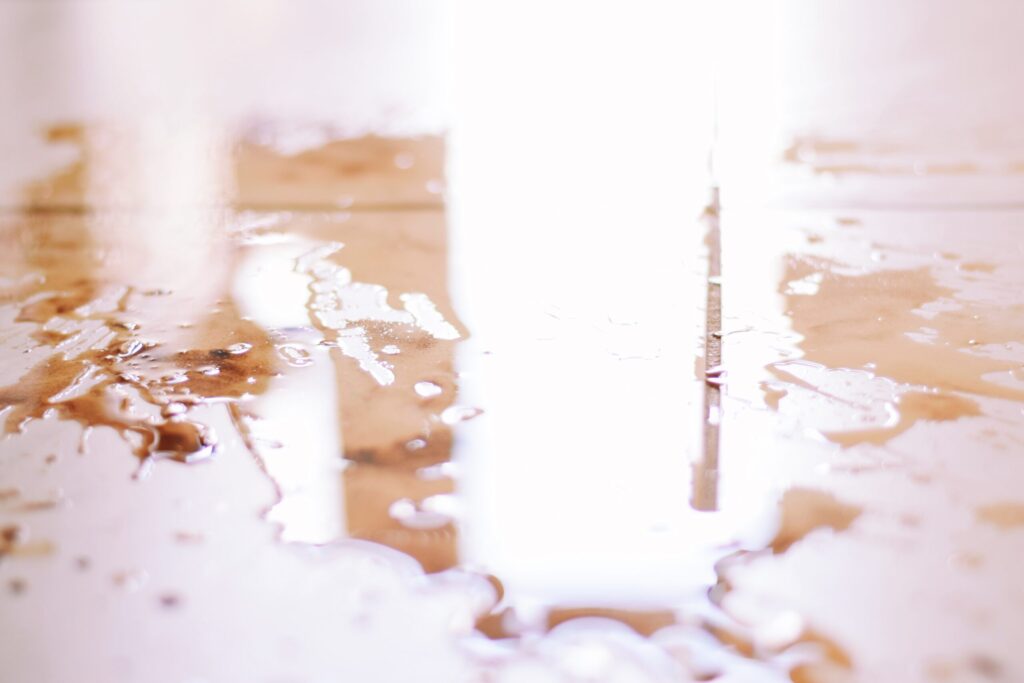
Floor damage is one of the most common ways a slab leak shows itself. Water trapped under the concrete has nowhere to go, so it works its way up through seams, grout, and joints. Tile may crack or pop loose, wood flooring can cup or buckle, and carpet may feel damp in one area. You might notice a spot that stays cool and moist long after you dry it. In homes with vinyl or laminate, the planks can lift at the edges as moisture builds underneath. These changes often start small and spread outward from the leak. Because the source sits below the surface, the visible damage rarely lines up neatly with the pipe. A plumber uses listening and imaging tools to trace the moisture back to its true origin.
Walls and ceilings can also reflect a slab leak as the foundation reacts to constant moisture. Long term water exposure softens the soil under the slab, which lets parts of the foundation settle unevenly. That movement can open cracks in drywall, around door frames, and along window corners. Doors and windows that once worked smoothly may begin to stick or fail to latch. You may see new gaps between the wall and the floor or between the ceiling and the wall. These structural clues take time to appear, so they often signal a leak that has gone unnoticed for a while. North Texas soil makes this worse, a point we cover in the next section. When cracks and moisture appear together, the case for a slab leak grows much stronger.
Mold and odor problems frequently follow the moisture from a slab leak. Trapped water feeds mildew under flooring, behind baseboards, and inside wall cavities where you cannot see it. A musty smell that lingers despite cleaning is a strong hint that hidden moisture is present. People with allergies or asthma may notice their symptoms get worse at home. Left untreated, mold spreads and the cleanup cost climbs well beyond the price of the original pipe repair. Catching the leak early limits the damage to a small area. A quick response also protects your indoor air quality and your family’s comfort. Stopping the leak at its source ends the moisture problem for good.
What Causes a Slab Leak in Texas Homes
Understanding what causes a slab leak helps you prevent the next one. In North Texas, the ground itself is a major factor, since the soil swells when wet and shrinks when dry. That constant movement puts heavy stress on the pipes locked inside the foundation. Pipe material, water chemistry, and water pressure also play large roles. Older homes and homes with hard water tend to face higher risk. Poor installation from years past can leave pipes rubbing against concrete or gravel until they wear through. Knowing these causes lets a plumber repair the leak in a way that truly lasts. The sections below break down the main reasons a slab leak starts.
How Soil Movement Causes a Slab Leak
The expansive clay soil common around Burleson and Fort Worth is a leading cause of slab leaks. This type of soil holds water like a sponge, swelling during wet weather and shrinking during dry spells. As the ground rises and falls, the concrete slab shifts along with it. Pipes set inside or beneath that slab get pushed, bent, and stretched over time. A copper line can only flex so far before a joint cracks or a section splits. Texas summers make the cycle harsher, since long dry stretches pull moisture out of the soil fast. Each season of movement adds a little more strain to the plumbing. Eventually a weak point gives way and a slab leak begins.
Foundation settling adds to the problem created by shifting soil. When a home is built, the soil underneath is rarely uniform, so some areas compact more than others. Over the years, parts of the slab sink slightly while others stay put. This uneven settling bends the pipes that cross from one zone to another. The stress concentrates at fittings and bends, which are the weakest points in any line. A pipe that survived the first decade can fail in the second as movement keeps adding up. Drought, heavy rain, and poor drainage all speed up the process. Managing the moisture around your foundation can slow this damage, though it cannot stop it entirely.
Drainage around the home plays a quiet but important role in soil movement. When gutters dump water right next to the foundation, the soil there swells far more than the soil a few feet away. That uneven swelling tilts the slab and twists the pipes inside it. Poor grading that slopes toward the house instead of away from it creates the same uneven pressure. Watering the lawn unevenly, or letting one side dry out completely, can also unbalance the soil. Homeowners who keep moisture steady around the foundation tend to see fewer leaks. Simple steps like extending downspouts and grading the yard make a real difference. Even with good habits, the local clay still demands attention, so periodic plumbing checks remain a smart move.
How Pipe Corrosion Causes a Slab Leak
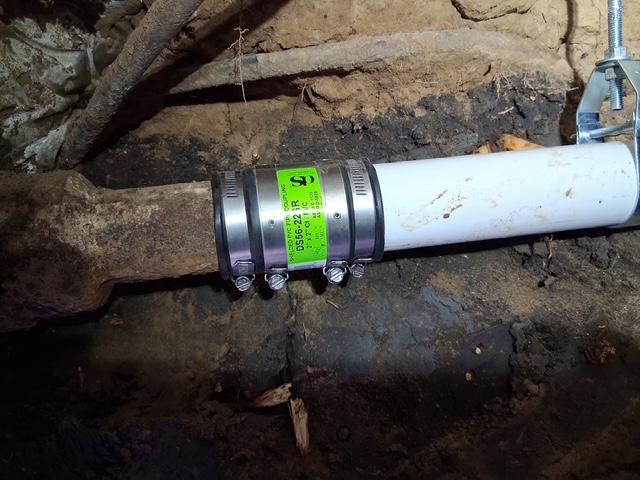
Corrosion is one of the most common reasons a slab leak forms inside the pipe itself. Copper lines react with minerals and chemicals in the soil and water, slowly thinning the metal from the outside in. Hard water, which is widespread across North Texas, leaves deposits and speeds up wear on the inside. Over many years, the pipe wall grows thin enough to develop pinhole leaks. These tiny holes release a steady trickle that often goes unnoticed until the bill climbs or the floor turns warm. Hot water lines corrode faster than cold lines because heat speeds up the chemical process. That is why hot side slab leaks are reported more often than cold side leaks. Replacing or rerouting corroded pipe is usually the most lasting fix.
Abrasion works alongside corrosion to wear pipes down under the slab. When a line is not cushioned properly, it rubs against concrete, rebar, or gravel every time water pressure changes. Each surge makes the pipe expand and contract slightly, grinding it against the rough material around it. Over time that friction wears a hole straight through the pipe wall. This problem is common in homes where the original installation skipped proper sleeving or padding. The damage tends to appear where pipes bend or pass through the slab. Because the wear is mechanical, it can affect both hot and cold lines. A plumber who finds abrasion damage will often recommend rerouting the line to protect it from future rubbing.
High water pressure quietly shortens the life of every pipe in your home. Pressure above the safe range hammers fittings and joints, especially during the surges that happen when valves open and close. In a slab, those repeated shocks find the weakest spot and break it open. Many homes run at higher pressure than they should without the owner ever knowing. A pressure regulator that has failed can let city pressure spike well past safe limits. Combined with corrosion or abrasion, high pressure turns a slow problem into a sudden leak. Testing and correcting your home’s water pressure is an easy way to protect the system. When several pipes have already corroded, replacing them is the smarter long term choice. Considering a full pipe replacement? Click here for our repiping service.
How to Confirm and Locate a Slab Leak
Confirming a slab leak starts with the same simple tests a homeowner can run. A plumber checks the water meter, reviews recent bills, and rules out toilets, fixtures, and irrigation. Once the obvious sources are cleared, the search moves to the lines hidden in the foundation. Professionals isolate the hot and cold systems to learn which side is leaking. Pressure testing each line shows where water is escaping without any digging. This step narrows the problem to a specific section of pipe. Careful diagnosis at this stage prevents needless damage to your floors. The goal is to find the leak precisely before any concrete is ever touched.
Modern leak detection relies on equipment that hears and sees through concrete. Acoustic sensors amplify the sound of water escaping the pipe, letting a technician trace the noise to its source. Electronic listening discs work even through tile, wood, and slab. Thermal imaging cameras reveal the warm trail of a hot water leak that the eye cannot detect. In some cases a plumber introduces a safe tracer gas that rises through the slab and marks the exact spot. These tools turn a hidden leak into a clear location on your floor. Pinpoint accuracy means the repair crew opens only the small area that needs work. That precision saves time, money, and a great deal of mess.
Once the leak is located, the plumber explains the repair options clearly. A spot repair opens a small section of slab to fix the damaged pipe directly. Rerouting abandons the failed line and runs a new pipe through the wall or attic to bypass the slab. Repiping replaces aging lines throughout the home when corrosion is widespread. The right choice depends on the pipe’s age, the cause of the leak, and how many other lines are at risk. A trustworthy plumber lays out the trade offs without pressure so you can decide with confidence. Big Blade Plumbing & Rooter has located and repaired slab leaks across Burleson and the surrounding area since 2007. Honest guidance at this stage protects both your home and your budget.
Why You Need Professional Slab Leak Detection
A slab leak is not a problem to wait out, since the damage grows every day the water keeps flowing. Professional detection finds the source fast and protects your foundation, floors, and budget. Breaking up concrete on a guess usually costs far more than calling a pro from the start. The right tools and training turn a stressful unknown into a clear plan of action. Big Blade Plumbing & Rooter brings both to every single job. Here is why fast, professional service matters so much.
Why Fast Slab Leak Detection Protects Your Home
Fast slab leak detection stops damage before it spreads through your home. Every hour a hidden pipe leaks, more water soaks into the soil and creeps toward your floors. Quick action keeps the repair area small and the cost low. Early detection also protects your foundation from the uneven moisture that causes cracks. The sooner a leak is found, the sooner your home returns to normal. Speed truly is your best ally with a slab leak.
Waiting to address a slab leak almost always makes the situation worse. A small pinhole can grow into a full break, flooding the area beneath your floors. Mold takes hold within days when moisture sits trapped under the slab. Wasted water drives your bill higher with each passing week. The structural strain on your foundation climbs the longer the leak runs. Acting fast spares you from the larger repairs that delay invites.
Professional detection gives you answers you can act on right away. A licensed plumber confirms the leak, marks its exact location, and explains your options in plain terms. You avoid the guesswork and the damage that come from opening the wrong section of slab. Fast service also means less time living around the disruption. With the source pinpointed, the repair moves quickly and cleanly. That clarity is exactly what a stressful situation needs.
Why Professional Slab Leak Repair Lasts Longer
A professional slab leak repair is built to last, not just to stop the drip for today. Licensed plumbers match the repair method to the cause, so the fix solves the real problem. They use quality materials rated for a long life under a slab. Proper sleeving and routing protect the new pipe from the abrasion that caused the first failure. Code compliant work also keeps your home safe and your warranty valid. A repair done right the first time saves you from repeat visits and repeat costs.
Cutting corners on a slab leak repair tends to backfire within a year or two. A patch that ignores corrosion leaves the rest of the pipe ready to fail next. Skipping the pressure test means the crew may miss a second leak nearby. Cheap fittings and rushed work crack again under the same soil movement that started the trouble. A professional plan considers the whole system, not just the one hole. When a line is too far gone, replacing it outright is the honest call. Want a lasting fix for a leaking line? Click here for our water line repair service.
Choosing the right repair method protects your investment for years. A reroute can bypass a failing line entirely, which makes sense when the slab itself keeps moving. Repiping renews the whole system when corrosion has spread across many pipes. A skilled plumber explains which option fits your home and why. Long term value comes from solving the cause, not chasing symptoms. The result is plumbing you can trust through many more Texas seasons.
Why Choose Big Blade Plumbing & Rooter for Slab Leak Service
Big Blade Plumbing & Rooter has served Burleson and North Texas as a licensed plumbing contractor since 2007. Our team handles residential and commercial slab leaks with the same care and precision. We use modern detection tools to find the leak fast and protect your floors. Honest recommendations come standard, so you never face pressure to buy work you do not need. We focus on quality that holds up for the long term, not quick fixes that fail. That experience shows in every repair we complete.
Our reputation rests on fast response times and dependable workmanship. When a slab leak threatens your home, you need a plumber who answers quickly and arrives ready to work. We bring the right equipment to confirm the leak and the skill to repair it cleanly. Clear communication guides you through every step and every option. We stand behind our work because we build it to last. Homeowners across Burleson, Fort Worth, Mansfield, and the surrounding area trust us with their plumbing.
Choosing Big Blade Plumbing & Rooter means choosing a partner who treats your home like our own. We respect your time, your property, and your budget on every visit. Our experience with sewer lines, water lines, and drain solutions runs deep across the region. You get straight answers, fair pricing, and repairs that solve the problem for good. Call us at (817) 517-2425 the moment you suspect a slab leak. The sooner we look, the more we can save you.