
Signs You May Have a Hidden Plumbing Leak
A dripping faucet is easy to spot. A hidden plumbing leak is a different story entirely. Tucked behind walls, buried beneath concrete slabs, or running silently under your floors, these leaks can quietly cause thousands of dollars in damage long before you ever notice a puddle. By the time many homeowners realize something is wrong, the water has already been working against their home for weeks or even months. For homeowners in Burleson, TX, learning to recognize the early warning signs of a hidden leak can mean the difference between a quick, affordable repair and a major restoration project.
At Big Blade Plumbing & Rooter, we’ve seen firsthand how a small, undetected leak can snowball into mold growth, rotted framing, foundation problems, and water bills that climb month after month. The encouraging news is that hidden leaks almost always leave clues behind, and once you know what to look and listen for, those signals become much easier to catch. Below, we break down the most common indicators of a hidden plumbing leak, explain why each one matters, and walk you through what to do if you suspect water is escaping somewhere it shouldn’t be.
Why Hidden Plumbing Leaks Are So Dangerous
Unlike a visible leak that you can mop up and patch in an afternoon, a hidden plumbing leak works against your home around the clock. Water always finds the path of least resistance, which means it seeps into drywall, soaks into insulation, wicks through subflooring, and travels along structural framing in ways that are impossible to see from the surface. Over time, all of that trapped moisture creates the ideal environment for mold and mildew to flourish, weakens the building materials that hold your home together, and even attracts pests drawn to damp, dark spaces.
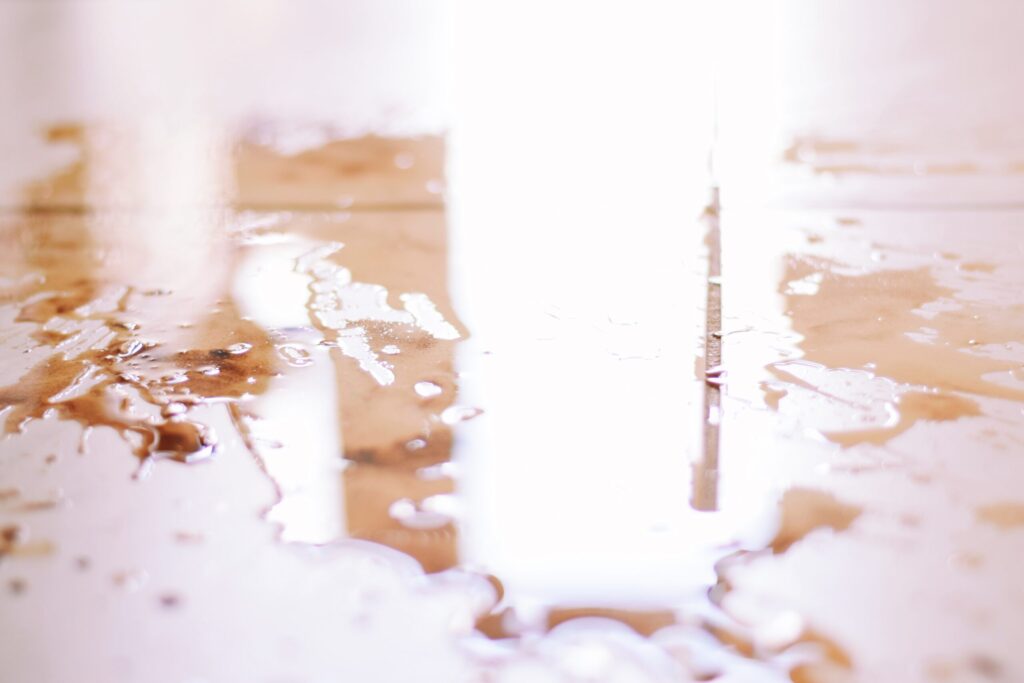
The problem is compounded here in North Texas, where our expansive clay soil swells and shrinks dramatically with the seasons. When an undetected slab leak adds extra moisture to that already shifting ground, it can place serious stress on your home’s foundation, leading to cracks, uneven floors, and doors that no longer close properly. The longer a leak is left unaddressed, the more extensive and expensive the eventual repair becomes. A leak that might have cost a few hundred dollars to fix early on can easily turn into a multi-thousand-dollar project once mold remediation, drywall replacement, and structural repair enter the picture. This is exactly why early detection is your single best line of defense.
An Unexplained Spike in Your Water Bill
One of the most reliable indicators of a hidden plumbing leak is a water bill that keeps climbing for no obvious reason. If nobody in your household has changed their habits, you haven’t filled a pool or watered a new lawn, and yet your usage has jumped noticeably, there’s a strong chance that water is escaping somewhere out of sight. The best way to spot this pattern is to pull out several past statements and compare them month over month. A steady, creeping increase over time, or a sudden and unexplained spike in a single billing cycle, both deserve a much closer look.
It’s easy to underestimate just how much water a hidden leak can waste. Even a tiny pinhole in a pressurized supply line can release hundreds of gallons a day, and because that water is constantly flowing whether you’re home or away, it shows up relentlessly on your bill. Many homeowners assume a higher bill is just a seasonal fluctuation or a rate increase, but when the jump is significant and persistent, your plumbing system is often the real culprit. Treating an unexplained bill increase as a clue rather than a coincidence can save you a great deal of money and frustration.
The Sound of Running Water When Everything Is Off
Here is a simple test you can perform yourself without any special tools. Turn off every faucet, appliance, and water-using fixture in your home, including the dishwasher, washing machine, and ice maker, then stand quietly and listen. If you can still hear the sound of running water, a faint dripping, or a subtle hissing coming from inside your walls or beneath your floors, you very likely have a hidden leak somewhere in your supply lines. Sound travels easily through pipes and building materials, so even a small leak can be audible if you take the time to listen carefully in a quiet house.
This kind of phantom water sound is one of the clearest signals that something is wrong behind the scenes, and it’s a strong indication that it’s time to bring in a professional plumber. While the test itself is easy, locating the exact source of the sound usually is not, since the noise can carry far from the actual point of the leak.
Musty Odors, Mold, or Mildew Growth
A persistent musty smell that just won’t go away, especially in a bathroom, kitchen, laundry room, basement, or closet, often points directly to moisture you can’t see. Wherever water becomes trapped in dark, enclosed spaces, mold and mildew are quick to follow, and they bring a distinctive earthy, damp odor along with them. If you notice dark spots forming on walls or ceilings, a stale smell that lingers no matter how often you clean, or mold that keeps reappearing within days of wiping it away, a hidden plumbing leak could very well be feeding the problem from inside the structure.
Beyond the obvious structural concerns, this kind of moisture-driven mold growth can affect your family’s health. Poor indoor air quality from mold spores can aggravate allergies, trigger asthma, and cause respiratory irritation, particularly in children and older adults. Treating a recurring musty odor as a plumbing symptom rather than just a cleaning problem protects both your home and the people in it.
Water Stains and Discoloration on Walls and Ceilings
Yellowish, brownish, or coppery stains spreading across your ceilings and walls are among the most classic and recognizable signs of a leak hiding overhead or behind the surface. These stains form as water repeatedly saturates and then dries on drywall and paint, leaving behind discolored rings and patches that gradually grow larger over time. Alongside staining, you might also notice paint that begins to bubble, blister, or peel away from the wall, or wallpaper that warps, wrinkles, and pulls loose at the edges and seams.
These cosmetic changes are frequently the first clearly visible evidence that water has been quietly collecting out of sight. It’s tempting to simply repaint over a stain and move on, but doing so without addressing the source means the stain will inevitably return, often worse than before. A discolored patch on the ceiling is your home pointing directly at the problem, and it’s worth investigating rather than covering up.
Warped, Buckling, or Stained Flooring
Flooring rarely changes shape on its own, so any unexplained shift underfoot is worth paying close attention to. If you notice your floors buckling, warping, sagging, or feeling soft and spongy when you walk across them, moisture from a hidden leak is one of the most likely explanations. Different flooring materials respond to trapped water in different ways: hardwood planks tend to cup or crown as they absorb moisture, laminate flooring swells and separates at the seams, ceramic or porcelain tile can loosen and lift as the adhesive fails, and carpet may develop damp patches, discoloration, or a musty smell.
Because flooring sits directly above many of the pipes running through your home, it often shows the effects of a leak before anything else does. Any sudden change in the feel, appearance, or stability of your floors should prompt a closer inspection, since catching the issue early can prevent the costly job of replacing an entire room’s flooring.
A Noticeable Drop in Water Pressure
When water is leaking out of a supply line somewhere in your system, less of it actually makes it to your fixtures, and the result is often a frustrating drop in water pressure. If your shower suddenly feels weak, or faucets that once flowed freely now produce only a trickle, a hidden leak may be diverting water away before it ever reaches the tap.
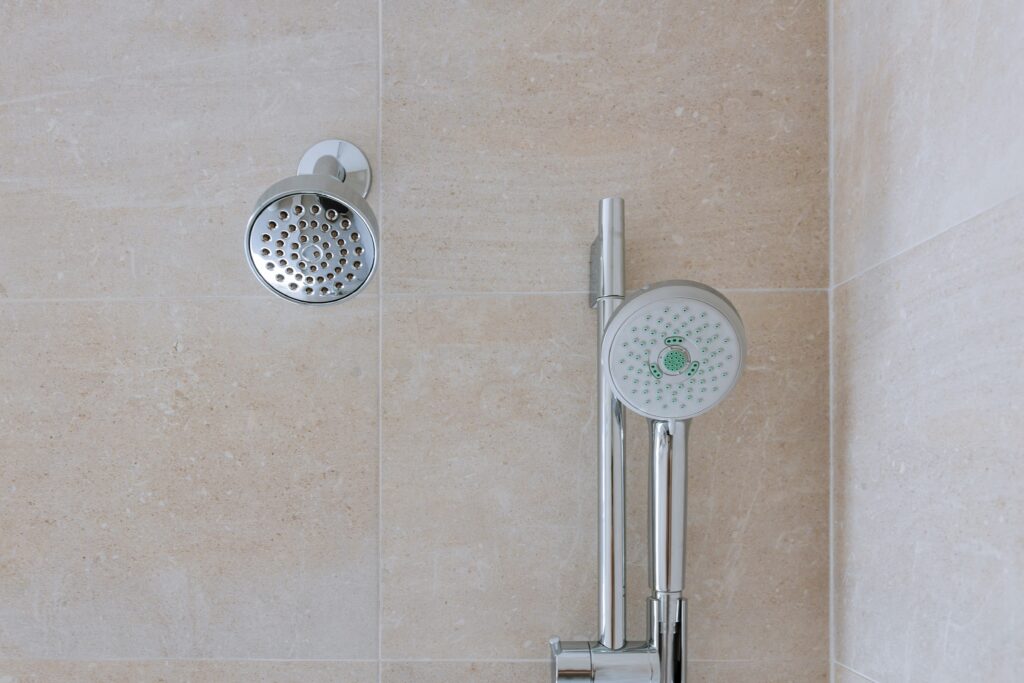
It’s worth noting that low water pressure can have other causes, including mineral buildup, a failing pressure regulator, or municipal supply issues. But when a drop in pressure appears alongside any of the other warning signs on this list, the combination becomes a significant red flag that points toward a leak.
Soggy Spots in the Yard or Cracks in the Foundation
Hidden leaks are by no means limited to the inside of your home. A persistently wet, soggy, or unusually lush and green patch of grass in your yard, particularly during a dry stretch when the rest of your lawn is struggling, can indicate a break in your underground water or sewer line. That extra moisture feeds the grass directly above the leak, creating a telltale green spot that stands out from its surroundings. You might also notice pooling water, sunken areas, or a foul sewage odor outdoors.
Inside the home, new cracks appearing in your foundation, walls, or floors, along with doors and windows that suddenly begin to stick or won’t latch, may signal a slab leak shifting the ground beneath your house. In Burleson and the surrounding communities, where the clay-heavy soil already moves with changes in moisture, slab leaks are a common and genuinely serious concern that should never be ignored. The sooner one is identified, the better your chances of avoiding expensive foundation damage.
How to Confirm a Hidden Leak With the Water Meter Test
If the signs above have you suspicious, there’s a straightforward way to confirm whether water is moving through your system when it shouldn’t be. Start by turning off every source of water inside and outside your home, making sure no faucets are dripping and no appliances are running. Next, locate your water meter, typically near the street, and either write down the exact reading or watch the small triangular leak-indicator dial, if your meter has one. Wait at least one to two hours without using any water, then check the meter again.
If the reading has changed or the indicator dial has moved during that window, water is flowing through your system somewhere, which strongly suggests an active leak. This test is an excellent way to confirm that a problem exists, but it has one important limitation: it tells you that you have a leak, not where it is. Pinpointing the actual source safely and accurately requires professional leak detection equipment and experience.
When to Call a Professional Plumber in Burleson, TX
Hidden leaks are notoriously difficult to locate and even harder to repair correctly without the right tools and training. Attempting to find a leak by cutting open walls or breaking into floors based on a guess often causes far more damage than the leak itself, leaving you with destroyed drywall, ruined flooring, and the original problem still unsolved. Professional plumbers rely on specialized, non-invasive equipment to find leaks with precision, including acoustic listening devices that amplify the sound of escaping water, thermal imaging cameras that detect moisture, and electronic leak detection systems that pinpoint the exact location of a problem behind a wall or under a slab.
If you’ve recognized any of the warning signs described above, the worst thing you can do is wait and hope the problem resolves on its own. Hidden leaks only grow worse with time, and every day of delay adds to the water waste, the structural damage, and the eventual cost of repair.
At Big Blade Plumbing & Rooter, we help homeowners throughout Burleson, TX and the surrounding communities detect and repair hidden plumbing leaks before they have the chance to turn into costly, stressful disasters. Our experienced team uses advanced leak detection technology to find the true source of the problem quickly and accurately, then fixes it right the first time so you can have peace of mind that your home is protected.
If you suspect a hidden leak anywhere in your home, don’t leave it to chance. Reach out to Big Blade Plumbing & Rooter today to schedule professional leak detection and repair with a team that knows the unique plumbing challenges of North Texas homes. A single quick phone call now could save you thousands of dollars, and a great deal of headache, down the road.