
How To Stop A Dripping Faucet From Wasting Water
A dripping faucet seems like a small annoyance, but it quietly drains both water and money from your home every single day. The steady tap of water hitting the sink basin often gets ignored until the sound becomes impossible to tune out at night. What most homeowners do not realize is how quickly those tiny drops add up over the course of a year. According to the U.S. Environmental Protection Agency, a faucet that drips once per second can waste more than 3,000 gallons of water annually. That wasted water shows up on your monthly utility bill, and it puts unnecessary strain on the internal components of your plumbing fixtures. The good news is that most dripping faucets come from a small number of common, fixable causes. With the right knowledge, the right tools, and a clear plan, you can stop the drip and protect your wallet. This guide walks you through the causes, the repair process, and the moment it makes sense to bring in a licensed plumber.
What Causes A Dripping Faucet To Waste Water
Understanding the source of a dripping faucet is the first real step toward stopping it for good. A faucet is a simple device on the surface, yet several small parts work together inside to control the flow of water. When even one of those parts wears down, water finds a path past the seal and begins to drip. Different faucet styles fail in different ways, so the fix depends on what is hidden inside the fixture. Some drips come from worn rubber components, while others trace back to mineral buildup or pressure problems in the line. Diagnosing the cause correctly saves you from replacing parts that were never the problem in the first place. Below, we break down the three most common reasons a faucet starts wasting water.
Worn Faucet Parts That Cause A Dripping Faucet
The most frequent reason for a dripping faucet is a worn internal part that no longer creates a watertight seal. In a traditional compression faucet, a rubber washer presses against a metal valve seat each time you shut off the water. Over months and years of use, that washer flattens, hardens, and cracks from the constant friction and pressure. Once the washer loses its shape, it can no longer block the flow completely, and water seeps through as a steady drip. This style of faucet uses two handles, one for hot and one for cold, and either side can develop the problem independently. Replacing the worn washer often solves the issue for a fraction of the cost of a new fixture. A small part like this is inexpensive, yet ignoring it leads to thousands of wasted gallons.
Cartridge faucets and ball faucets fail in their own distinct ways, even though the end result looks the same at the spout. A cartridge faucet relies on a single movable cartridge that lifts and rotates to control temperature and flow. When the cartridge wears out or its rubber O-rings dry and crack, water bypasses the worn seal and drips from the spout. Ball faucets, common on single handle kitchen sinks, use a rotating metal or plastic ball along with tiny springs and rubber seats. Those springs lose tension over time, and the seats wear down, which allows water to escape past the mechanism. Each of these designs needs a part that matches the exact make and model of the faucet. Installing the wrong cartridge or seal almost always leads to a repeat drip within days.
Ceramic disc faucets are built to last longer than older designs, but they are not immune to wear either. Inside these faucets, two polished ceramic discs slide against each other to start and stop the flow of water. Grit and mineral particles in the water supply can scratch the smooth surface of those discs over the years. Once the seal between the discs breaks down, water leaks through and drips from the faucet just like any other worn fixture. The rubber seals that cushion the disc cylinder can also harden and fail with age. If your home has hard water, the sediment speeds up this wear and shortens the life of every internal component. A professional inspection identifies which part has failed so the repair holds up for the long run.
Water Pressure Problems Behind A Dripping Faucet
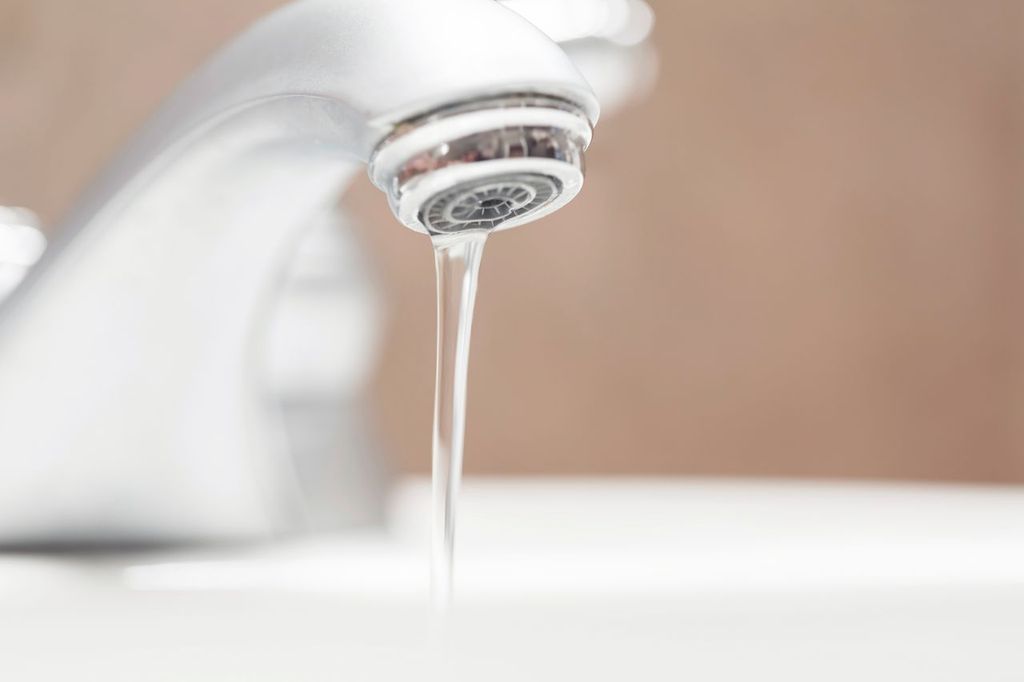
Sometimes the faucet itself is in good shape, and the real culprit is the water pressure feeding into it. Most home plumbing systems are designed to run safely between 40 and 60 pounds per square inch of pressure. When the pressure climbs above 80 psi, it places extra force on every valve, seal, and washer in the house. That constant strain pushes water past seals that would otherwise hold tight at normal pressure. You might notice the drip appears only at certain times of day, often late at night when overall demand on the municipal line drops. This timing is a strong clue that excess pressure is forcing the leak rather than a worn part alone. A pressure issue affects more than one fixture, so multiple dripping faucets point toward this cause.
High water pressure does more than create a nuisance drip at a single faucet. The same force that pushes water past a seal also stresses pipe joints, appliance hoses, and water heater components throughout the home. Over time, this pressure can shorten the life of dishwashers, washing machines, and toilet fill valves. A licensed plumber can measure the static pressure at an outdoor spigot using a simple gauge to confirm the reading. If the number runs too high, the recommended fix is the installation or repair of a pressure reducing valve on the main line. That single device protects every fixture in the house and stops the dripping caused by excess force. Addressing the root pressure problem prevents the same drip from returning at faucet after faucet.
Water hammer is another pressure related issue that can damage seals and lead to drips over time. This happens when fast moving water slams to a sudden stop, usually when a valve closes quickly, and the shock wave travels back through the pipes. You hear it as a loud bang or knock in the walls right after you shut off the water. Each shock places a jolt of stress on the washers and cartridges inside your faucets. Repeated water hammer slowly wears those parts down faster than normal use would. Installing water hammer arrestors absorbs the shock and protects the fixtures from this hidden damage. If you hear banging pipes along with a dripping faucet, the two problems are often connected.
Corrosion And Buildup That Lead To A Dripping Faucet
Mineral buildup and corrosion are silent forces that wear down faucet components from the inside. Hard water carries dissolved calcium and magnesium that settle onto metal surfaces every time water flows through the fixture. Those deposits collect on the valve seat, the metal surface that the washer presses against to stop the flow. Once the seat becomes rough or pitted with corrosion, the washer can no longer form a clean seal against it. Even a brand new washer will fail quickly when it is forced to press against a damaged seat. This is why some homeowners replace washers again and again without ever stopping the drip. The real fix involves either resurfacing the valve seat or replacing it entirely.
Corrosion attacks more than just the valve seat inside a dripping faucet. The metal stem, the retaining nut, and the threads that hold the assembly together can all degrade with age and exposure to water. As these parts corrode, they lose their precise fit, and small gaps open up where water can escape. Rust and scale also make disassembly difficult, since corroded parts often seize together and resist removal. A plumber uses penetrating oil and the right tools to free these parts without cracking the faucet body. In severe cases, the corrosion runs so deep that replacing the entire faucet costs less than fighting the repair. A trained eye knows when a fixture has reached the end of its serviceable life.
Hard water buildup also affects the aerator, the small screen at the tip of the faucet spout. While a clogged aerator does not cause a drip on its own, the same minerals that block it also coat the internal parts. The buildup throws off the water flow pattern and can mask or worsen an existing drip. Regular cleaning of the aerator and the use of a water softener slow down this mineral accumulation. Homes throughout Burleson and the surrounding North Texas area often deal with hard water that accelerates this wear. If you suspect hidden mineral damage inside your fixtures or lines, our leak detection service can pinpoint exactly where water is escaping. Catching buildup early keeps small problems from turning into full fixture replacements.
How To Stop A Dripping Faucet And Save Water
Once you understand the cause, stopping a dripping faucet becomes a manageable project for a careful homeowner. The repair follows a logical order that starts with shutting off the water and ends with testing the finished work. Having the right tools on hand before you begin makes the entire process smoother and faster. Patience matters here, because rushing leads to lost parts, stripped screws, and bigger problems than the original drip. Most faucet repairs take under an hour when the correct replacement parts are available. The steps below give you a clear path from start to finish. For anyone uncomfortable with the work, a licensed plumber handles the entire job quickly and cleanly.
Tools You Need To Stop A Dripping Faucet
Gathering the right tools before you start is the foundation of a successful faucet repair. You will want an adjustable wrench to loosen the packing nut and other threaded connections under the fixture. A set of screwdrivers, both flathead and Phillips, handles the handle screws and decorative caps that hide them. Many modern faucets use small hex screws, so a set of Allen wrenches belongs in your kit as well. Needle nose pliers help you grip and pull small parts like O-rings and springs out of tight spaces. Keep a small container nearby to hold the parts in the order you remove them. This simple habit makes reassembly far easier and prevents tiny components from rolling into the drain.
Beyond the basic hand tools, a few specialty items make the repair last longer and go more smoothly. Plumber’s grease keeps O-rings and moving parts lubricated so they seal well and resist future wear. Plumber’s tape, sometimes called thread seal tape, wraps around threaded joints to create a watertight connection. A valve seat wrench lets you remove and replace a corroded seat in a compression faucet, which is a step many homeowners overlook. Penetrating oil loosens any parts that corrosion has frozen in place, saving you from cracking the faucet body during removal. You will also need the correct replacement parts, which means matching the exact brand and model of your faucet. Bringing the old part to the hardware store is the surest way to find an exact match.
Having the proper replacement components on hand prevents a frustrating mid repair trip to the store. Compression faucets need new washers, O-rings, and sometimes a fresh valve seat to stop the drip completely. Cartridge faucets require a cartridge that matches the manufacturer specifications down to the exact size and shape. Ball faucets use a repair kit that includes the springs, rubber seats, and seals designed for that mechanism. Ceramic disc faucets may need new neoprene seals or a complete disc cylinder depending on the wear. Writing down the brand and model number before you shop saves time and avoids guesswork at the store. If you cannot identify the parts you need, our faucet repair service brings the right components straight to your door.
Step By Step Repair To Stop A Dripping Faucet
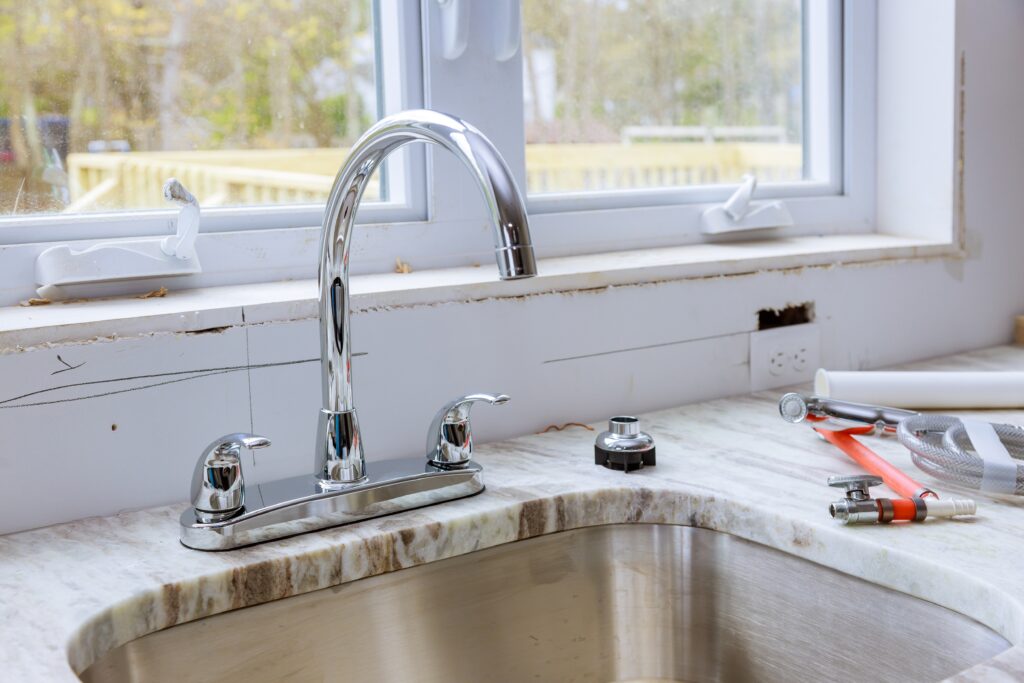
The first and most important step in any faucet repair is shutting off the water supply. Look under the sink for two small shutoff valves and turn them fully clockwise to stop the flow. If your fixture lacks individual shutoffs, close the main water valve for the entire house before you begin. Once the water is off, open the faucet handle to release any pressure and drain the line. Place a rag or stopper over the drain opening so no small parts disappear down the pipe. Lay a towel in the sink basin to protect the finish and catch any drips during the work. These early steps protect your home from an accidental flood and your parts from getting lost.
With the water safely off, you can begin disassembling the faucet to reach the worn parts inside. Pry off the decorative cap on top of the handle, often hiding a single screw underneath. Remove that screw, then lift or pull the handle straight up and away from the body. Underneath, you will find a packing nut or retaining clip that holds the stem or cartridge in place. Loosen the nut with your wrench, then carefully pull out the stem, cartridge, or ball assembly. Inspect every rubber and metal component for cracks, flattening, scoring, or mineral buildup as you go. Lay the parts out in order so you remember exactly how everything fits back together.
Replacing the worn parts and reassembling the faucet completes the repair and stops the drip. Swap out the damaged washer, O-ring, cartridge, or seal with the exact matching replacement you purchased. Apply a thin coat of plumber’s grease to the new rubber parts so they seat smoothly and last longer. If the valve seat shows corrosion, resurface it with a seat dressing tool or replace it using a seat wrench. Reassemble the faucet in the reverse order you took it apart, tightening each connection firmly without overtightening. Turn the water supply back on slowly and watch closely for leaks at every joint. Run the faucet for a minute and confirm the drip is gone before you call the job finished.
When To Call A Plumber To Stop A Dripping Faucet
Some dripping faucets reveal problems that go beyond a simple washer or cartridge swap. If you replace the worn parts and the drip returns within a few days, a deeper issue is at work. A corroded valve seat, a hidden crack in the faucet body, or a pressure problem in the line often hides behind a stubborn drip. Repeated repairs that fail to hold tell you the real cause has not been addressed. At that point, throwing more parts at the problem wastes both time and money. A licensed plumber diagnoses the true source and fixes it correctly the first time. This saves you the frustration of chasing the same leak over and over.
Certain situations call for professional help right from the start rather than after a failed attempt. Faucets that are seized solid with corrosion can crack or break apart during a forced removal. A broken faucet body or a damaged supply line turns a minor drip into a major repair. Older homes with outdated plumbing sometimes have valves that no longer shut off completely, which makes a safe repair impossible without expert tools. If you cannot stop the water flow, the job belongs in the hands of a trained plumber. Attempting a repair without working shutoffs risks flooding your home. A professional carries the parts, the tools, and the experience to handle these complications safely.
There is also real value in having a plumber confirm that a drip is not a symptom of a larger system problem. A single dripping faucet might be the only visible sign of high water pressure stressing the entire house. It could point to corrosion working its way through aging pipes behind the walls. A trained plumber spots these connections that a homeowner would easily miss. If you would rather skip the guesswork entirely, our faucet installation service replaces worn out fixtures with reliable new ones. Knowing when to call for help protects your home and your peace of mind. The cost of a professional repair is small compared to the damage a hidden leak can cause.
Why You Need Professional Help To Stop A Dripping Faucet
A dripping faucet is rarely just a dripping faucet when you look at the full picture of your plumbing system. What starts as a few drops a minute can signal worn parts, mounting pressure, or creeping corrosion that deserves expert attention. Professional plumbers bring the training to diagnose the true cause and the tools to fix it permanently. They also catch the warning signs of bigger problems before those problems flood a cabinet or damage a wall. Stopping the drip the right way protects your home, lowers your water bill, and gives you confidence in your fixtures. The sections below explain how professional service delivers lasting results and why local homeowners trust Big Blade Plumbing & Rooter.
How Professional Faucet Repair Stops A Dripping Faucet
Professional faucet repair starts with an accurate diagnosis instead of a guess about the cause. A licensed plumber inspects the fixture, checks the water pressure, and examines the internal parts for wear and corrosion. This thorough approach finds the real source of the drip on the first visit. With the right diagnosis in hand, the plumber selects the exact replacement parts your specific faucet model requires. The repair then holds up over the long run instead of failing again within days. That reliability is the core difference between a professional fix and a quick patch.
A trained plumber also carries the specialized tools that most homeowners simply do not own. Valve seat wrenches, seat dressing tools, and pressure gauges turn a difficult repair into a routine one. These tools allow the plumber to address corroded seats and pressure problems that a basic washer swap never solves. Professional experience means the work gets done quickly and cleanly without damage to the fixture or surrounding cabinet. The plumber leaves the work area tidy and tests every connection before declaring the job complete. This level of care gives you a repair you can trust for years.
Beyond the immediate fix, professional repair protects the rest of your plumbing system. A plumber who spots high water pressure can recommend a pressure reducing valve to protect every fixture in the home. One who notices widespread corrosion can advise on repiping before old lines fail completely. This forward looking approach prevents the next emergency before it ever starts. Catching a small issue early saves you from the expense and disruption of a major repair down the road. That kind of insight comes only from trained, experienced hands.
Long Term Savings From Stopping A Dripping Faucet
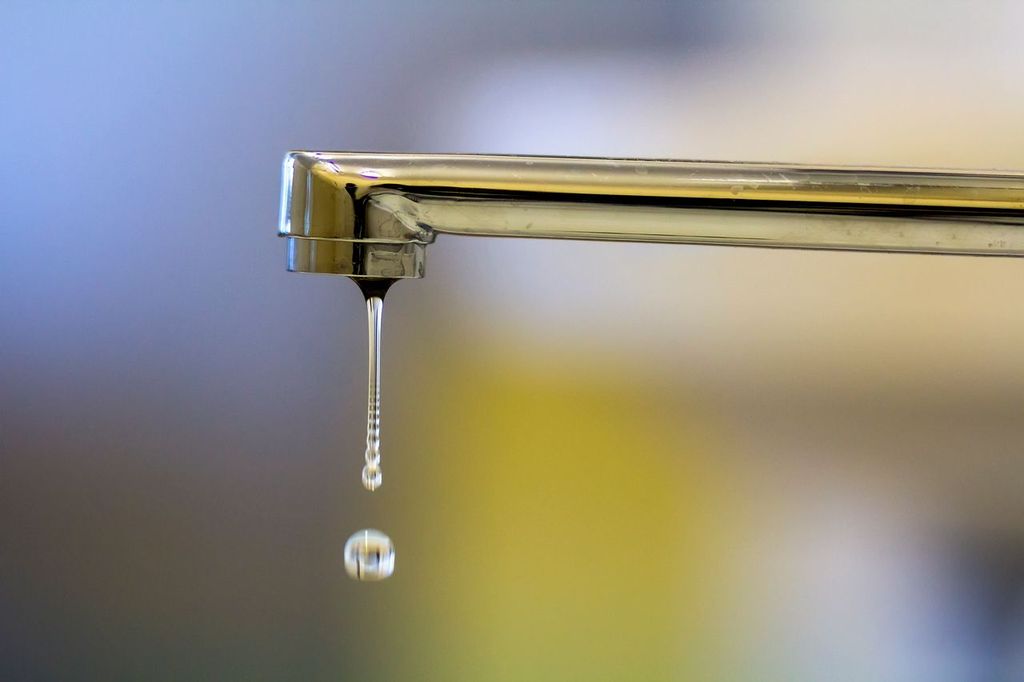
Stopping a dripping faucet quickly delivers real savings on your monthly water bill. A single drip per second adds up to thousands of wasted gallons over the course of a year. That waste appears as a higher bill every month until the drip is repaired. Fixing the problem promptly puts that money back in your pocket where it belongs. Over the life of your home, those savings add up to a significant amount. A small repair today prevents a steady drain on your budget for years to come.
Prompt repair also protects the components around the faucet from water damage. A constant drip keeps the basin, the cabinet below, and the surrounding caulk wet for long stretches. That moisture encourages mold growth, wood rot, and damage to the finish over time. Catching the drip early stops this slow destruction before it requires costly repairs. Replacing a warped cabinet or treating mold costs far more than a simple faucet fix. Acting fast keeps a minor issue from snowballing into a major expense.
Reliable fixtures also raise the value and comfort of your home. A faucet that works correctly removes the constant background noise and the worry of a worsening leak. Buyers and appraisers notice well maintained plumbing when they assess a property. Keeping your fixtures in good repair signals that the home has been cared for over the years. The peace of mind that comes from a quiet, leak free faucet has its own quiet value. Long term, the smart move is to fix the drip the moment you notice it.
Why Choose Big Blade Plumbing & Rooter To Stop A Dripping Faucet
Big Blade Plumbing & Rooter has served the Burleson community as a licensed plumbing contractor since 2007. That long track record reflects years of honest work and reliable results for local homeowners and businesses. The team handles residential and commercial plumbing with the same focus on quality and lasting repairs. Fast response times mean your dripping faucet gets attention before it wastes more water. The company stands behind strong workmanship that holds up over time. Local families and business owners across North Texas have come to depend on that consistency.
Honesty sits at the center of how the business treats every customer. The team offers straightforward recommendations without pressure, so you always understand your options. When a simple repair will solve the problem, you hear that advice plainly. When a fixture has reached the end of its life, you get an honest assessment instead of a costly runaround. This commitment to ethos has earned the trust of homeowners throughout Burleson, Fort Worth, Arlington, and the surrounding area. You can count on clear answers and fair treatment on every call.
From a single dripping faucet to a full sewer line solution, Big Blade Plumbing & Rooter brings experienced hands to every job. The team focuses on long term reliability rather than quick patches that fail again. Reaching out is simple, and the friendly staff is ready to schedule your service. Call (817) 517-2425 or email info@bigbladeplumbingandrooter.com to stop that drip today. The shop is located at 2113 S Burleson Blvd in Burleson, Texas. Trust a local team that treats your home like its own.