
What To Do When Your Toilet Wont Flush
A toilet that refuses to flush ranks among the most stressful household problems, and it always seems to happen at the worst possible moment. When you press the handle and nothing moves, the water either sits still or rises toward the rim while you wonder how bad things are about to get. The good news is that most flushing failures trace back to a handful of common causes, and many of them are easy to identify once you know what to look for. Some problems live inside the tank, where small plastic parts wear out and stop doing their job. Other problems hide deeper in the drain line, the sewer line, or the vent stack, far beyond what a plunger can reach. Understanding the difference between a minor tank issue and a serious drain blockage helps you decide what you can handle yourself and what calls for a licensed plumber. This guide walks through the real reasons a toilet stops flushing, the steps you can take right now, and the warning signs that mean it is time to call Big Blade Plumbing & Rooter before a small clog turns into a flooded bathroom.
Common Reasons Your Toilet Won’t Flush
Before you reach for any tool, it helps to understand the mechanics behind a single flush so you can pinpoint where things went wrong. A working toilet relies on a chain reaction: the handle lifts a flapper, the flapper releases tank water, gravity pulls that water through the bowl, and the waste rushes down the drain and into the sewer line. When any link in that chain breaks, the flush either weakens or stops entirely. Sometimes the failure is mechanical and lives inside the tank, where worn flappers, broken chains, and faulty fill valves quietly sabotage performance. Other times the failure sits downstream, where a clog in the trap, the branch drain, or the main sewer line blocks the water from going anywhere. Knowing which category your problem falls into saves you hours of frustration and keeps you from making the situation worse. The three sections below cover the most frequent culprits we see in homes across Burleson and the surrounding area.
A Clogged Drain Is Why Your Toilet Won’t Flush
A clogged drain is by far the most common reason a toilet won’t flush, and the symptoms are usually impossible to miss. When you press the handle, the water level in the bowl rises instead of draining, and it may climb dangerously close to the rim before slowly settling. The blockage typically forms in the toilet trap, which is the curved channel built into the base of the fixture, or just past it in the branch drain line that carries waste away. Common offenders include too much toilet paper, baby wipes labeled as flushable, cotton products, paper towels, and small objects that children sometimes drop into the bowl. Hard water deposits can also narrow the passage over the years, leaving less room for waste to pass cleanly. Once that channel narrows enough, even a normal flush overwhelms the opening and the water backs up. The longer a partial clog sits, the more debris it collects, and a slow drain that you ignore this week often becomes a full stoppage next week.
The location of the clog tells you a great deal about how serious the problem is and how to attack it. A blockage confined to the toilet itself usually responds to a good flange plunger, since the obstruction sits close enough to feel the pressure you create. A blockage farther down the line behaves differently and may cause gurgling sounds, slow draining in nearby sinks, or water rising in the tub when you flush. Those wider symptoms point to a shared drain line problem rather than a simple toilet clog, and that distinction matters a lot. Pouring chemical drain cleaners into a toilet rarely helps and can actually damage the porcelain and the seals while doing little to break the clog. Boiling water is also a poor choice because the heat can crack the bowl. A measured approach with the right tool protects your fixture and gets you a faster result than guesswork.
Repeated clogs in the same toilet point to a deeper issue that a plunger will never permanently solve. Older low flow toilets sometimes lack the water volume to push waste fully through the line, so they clog again and again no matter how careful you are. Tree roots can invade an aging drain line and snag debris until the passage closes completely, which is a problem that grows worse with every season. Buildup of grease, mineral scale, and accumulated waste can coat the inside of the pipe and shrink its diameter over time. When clogs keep returning, professional drain cleaning clears the entire line rather than just the section near the bowl. If you are tired of fighting the same clog over and over, you can click here for our drain cleaning service and let a licensed plumber handle the root of the problem. Clearing the full line restores proper flow and gives you flushes that work the first time, every time.
A Tank Problem Is Why Your Toilet Won’t Flush
A tank problem is the second leading reason your toilet won’t flush, and these failures often fool homeowners because the bowl itself looks perfectly clear. When you lift the lid and watch a flush, you can usually spot the trouble within a few seconds. The flapper sits at the bottom of the tank and acts as the seal that holds water back until you press the handle. If that flapper is warped, cracked, coated with mineral scale, or simply old and stiff, it stops sealing and lets water leak into the bowl instead of building up for a strong flush. A flapper that no longer lifts fully also chokes the flush because it never releases the full tank of water gravity needs to clear the bowl. Flappers are inexpensive and wear out every few years, so they top the list of tank components worth inspecting first. A quick look inside the tank often reveals exactly what failed.
The lift chain that connects the flush handle to the flapper causes more failures than most people expect. If the chain is too long, it bunches up and prevents the flapper from lifting high enough to release a full flush. If the chain is too short, it holds the flapper open and drains the tank constantly, leaving nothing in reserve when you actually want to flush. A chain that has snapped, rusted through, or popped off its hook leaves the handle spinning uselessly with no connection to anything below. Reattaching or adjusting the chain takes only a moment and often restores the flush immediately. You want just a small amount of slack so the flapper closes fully but still lifts cleanly when you press the handle. This single adjustment solves a surprising number of weak or dead flushes.
Water level inside the tank quietly controls flush strength, and a low level is a frequent hidden cause of a toilet that won’t flush properly. The fill valve refills the tank after each flush and shuts off when the float reaches its set point, so a failing fill valve or a misadjusted float starves the tank of water. A properly set tank fills to roughly an inch below the top of the overflow tube, which gives gravity enough volume to do its work. When the level drops too low, the flush turns weak and incomplete, and waste lingers in the bowl. Mineral buildup can also clog the small rim jets and the siphon jet that direct water into the bowl, which weakens the swirl that carries waste away. If your tank parts look corroded, leak constantly, or refuse to hold an adjustment, replacing them restores reliable performance. For worn out tank components and stubborn flush problems, you can click here for our toilet repair service and skip the trial and error.
A Sewer Line Issue Is Why Your Toilet Won’t Flush
A sewer line issue is the most serious reason your toilet won’t flush, and it deserves immediate attention because it threatens your entire home. The main sewer line carries waste from every drain in the house out to the municipal sewer or the septic system, so a blockage there affects far more than one bathroom. When the main line clogs, flushing the toilet can push water and waste up through the lowest drains in the house, often the tub, the shower, or a floor drain. You may notice gurgling toilets, sewage odors, multiple slow drains at once, and water backing up in places that have nothing to do with the toilet you just flushed. These overlapping symptoms separate a main line problem from a simple toilet clog. Ignoring the warning signs risks a messy and unhealthy backup of raw sewage into your living space.
Tree roots are the leading cause of main sewer line blockages in established neighborhoods, and they cause trouble year after year. Roots seek out the moisture and nutrients inside sewer pipes and force their way through tiny cracks and loose joints. Once inside, they grow into thick masses that snag toilet paper and waste until the line chokes off completely. Older clay and cast iron pipes are especially vulnerable because their joints and seams give roots an easy entry point. Bellied pipe, where a section of line sags and collects standing water and debris, creates another chronic source of blockages. A professional camera inspection reveals exactly what is happening inside the line, which removes the guesswork and shows the true condition of the pipe. Seeing the problem on screen lets you choose the right repair instead of paying for repeated temporary fixes.
Clearing a main sewer line blockage requires equipment that goes far beyond anything sold at a hardware store. A motorized drain auger, often called a sewer snake, cuts through clogs and root masses that a household plunger cannot touch. For heavier buildup, grease, and root intrusion, hydro jetting uses high pressure water to scour the inside of the pipe back to bare walls. These methods restore full flow and dramatically reduce how often clogs return, which protects your home from future backups. A backed up main line is not a problem to put off, since every flush during a blockage adds to the mess and the risk. If you suspect a main line issue or you keep seeing multiple drains back up together, you can click here for our hydro jetting service and have the line cleared correctly. Acting quickly keeps a manageable repair from becoming an expensive emergency.
How To Fix a Toilet That Won’t Flush
Once you understand the likely causes, you can take practical steps to get your toilet working again, and many fixes are well within reach for a careful homeowner. The smart approach starts with the simplest and safest options before you escalate to anything more involved. Always begin by stopping the flow of water if the bowl is rising, since a quick shutoff prevents an overflow and buys you time to think. The water supply valve sits on the wall behind or beside the toilet base, and turning it clockwise stops fresh water from feeding the tank. With the water under control, you can work through plunging, tank inspection, and a few basic adjustments without rushing. The sections below explain how to do each step properly so you protect your fixture and your floor. Knowing your limits is just as important, because some problems need professional tools and a licensed plumber.
Plunging a Toilet That Won’t Flush
Plunging a toilet that won’t flush is the first move for most clogs, and using the correct plunger makes all the difference. A flange plunger has an extended rubber sleeve that folds out to seal the toilet drain opening, unlike the flat cup plunger designed for sinks. Before you start, put on gloves and lay down old towels around the base to catch any splashes. If the bowl is already full, scoop some water out into a bucket so you have room to work without slopping over the edge. Lower the plunger gently into the bowl and let it fill with water, since pushing air instead of water wastes most of your effort. Seat the flange firmly into the drain opening to create a tight seal, then press down and pull up with steady, controlled force. The pulling motion matters as much as the pushing, because the back and forth pressure is what breaks the clog loose.
Patience and technique beat brute strength when you plunge a stubborn toilet clog. Work in sets of ten to fifteen firm strokes, keeping the seal intact the entire time so the pressure stays focused on the obstruction. After a set of strokes, lift the plunger and watch the water; a sudden drain means the clog has cleared, while standing water means you need another round. Many clogs give way after two or three full sets, so resist the urge to give up too early. If the water finally drains, flush once with the supply valve open to confirm the line is clear and flowing freely. Avoid reaching for chemical drain openers, because they seldom clear a true clog and can splash back or damage the seals and porcelain. Steady, repeated plunging clears the great majority of simple toilet clogs without any harsh products at all.
Knowing when plunging will not work saves you time and prevents a bigger mess. If repeated plunging produces no change at all, the clog likely sits beyond the reach of the plunger or the problem is not a clog in the first place. Water that backs up into the tub or causes other drains to gurgle points to a shared line or main line issue that plunging cannot solve. A toilet that drains slowly even after you clear it often has a partial blockage farther down the line that will return soon. Repeated clogs in the same toilet suggest the fixture, the drain line, or the venting needs professional attention. In any of these cases, a toilet auger or a professional drain cleaning is the right next step rather than more plunging. Pushing harder on a problem the plunger cannot reach only tires you out and risks an overflow.
Checking the Tank When Your Toilet Won’t Flush
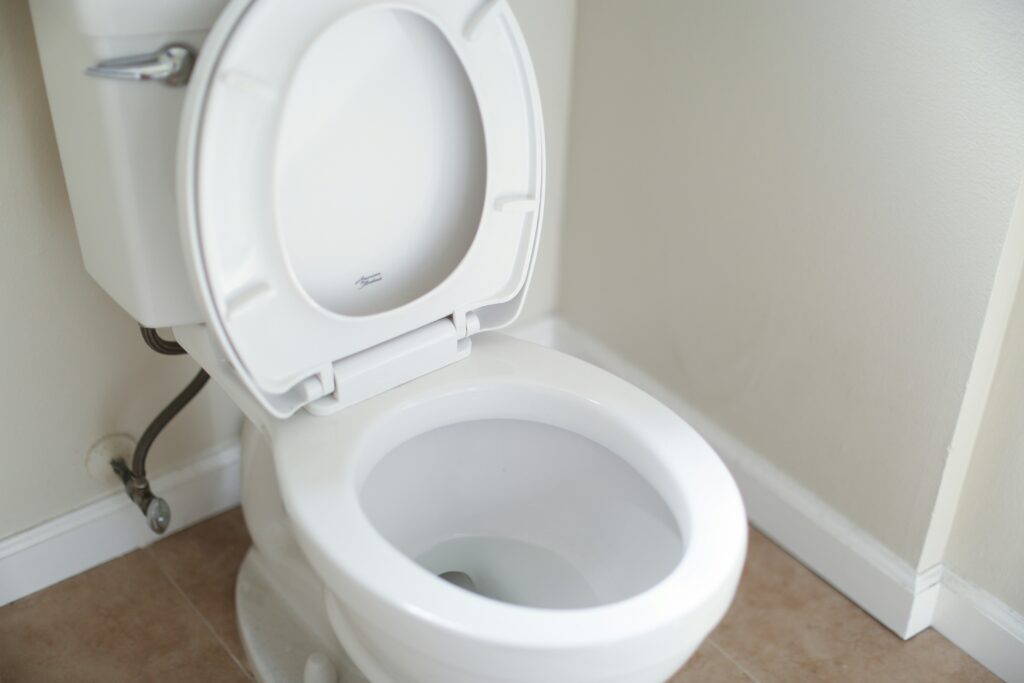
Checking the tank when your toilet won’t flush is the right move when the bowl looks clear but the flush is weak or completely dead. Lift the lid carefully and set it somewhere safe, since the porcelain is heavy and cracks easily if it slips. Press the handle and watch what happens inside, because a few seconds of observation usually reveals the failure. Look first at the flapper at the bottom of the tank and confirm that it lifts when you press the handle and seals tightly when the flush finishes. A flapper that barely lifts, fails to seal, or feels stiff and warped is the most likely cause of a weak flush. Then trace the lift chain from the handle to the flapper and check for slack, kinks, or a broken link. These two parts cause more tank failures than anything else, so they deserve your attention first.
Adjusting the chain and the water level often restores a strong flush without any new parts. If the chain has too much slack, move the clip to a higher link so the flapper lifts fully when you press the handle. If the chain is too tight and holds the flapper open, add a little slack so the flapper can seal completely between flushes. Next, check the water level against the overflow tube and aim for a line about an inch below the top of that tube. You can usually adjust the level by turning the screw on the fill valve or by sliding the float clip up or down, depending on the design. After each adjustment, flush and watch the result to see if the change made the flush stronger. Small tweaks like these solve a remarkable number of complaints about weak or partial flushes.
Some tank problems call for replacement parts rather than simple adjustments, and these repairs are still manageable for many homeowners. A flapper that is cracked, coated in scale, or simply too old to seal should be swapped for a matching replacement, which costs only a few dollars. A fill valve that runs constantly, refuses to shut off, or fails to refill the tank usually needs to be replaced as a unit. Mineral buildup in the rim jets and the siphon jet weakens the flush, and clearing those small openings can revive a sluggish toilet. When several tank parts have worn out at once, replacing the entire flush mechanism is often more reliable than patching one piece at a time. If the repairs feel beyond your comfort level or the parts keep failing, a licensed plumber handles the job quickly and correctly. Professional repair also catches related problems you might miss, which keeps the toilet working for the long haul.
When To Call a Plumber for a Toilet That Won’t Flush
Knowing when to call a plumber for a toilet that won’t flush protects your home and saves you from a much larger repair bill. Some warning signs make it clear that the problem reaches beyond what any homeowner should tackle alone. Sewage backing up into the tub, the shower, or floor drains signals a main line blockage that needs professional equipment right away. Multiple drains running slow at the same time, or gurgling sounds when you flush, point to a shared line or venting problem rather than a simple clog. Persistent clogs that return within days of clearing them tell you the real cause is still hiding in the line. When you see these patterns, calling a licensed plumber early prevents a backup that can damage floors, walls, and belongings.
Water around the base of the toilet is another signal that should never be ignored, because it points to a failing seal or a cracked fixture. A leaking wax ring lets water and waste escape every time you flush, which rots the subfloor and breeds mold underneath the bathroom. A cracked tank or bowl cannot be repaired reliably and usually needs a full replacement to stop the leak. Constant running, phantom flushing, or a toilet that rocks on its base all warrant a professional inspection before they grow worse. These problems waste water, drive up the bill, and slowly damage the structure around the fixture. A licensed plumber finds the source quickly and fixes it before the hidden damage spreads.
A licensed plumber brings tools and training that turn a frustrating problem into a finished repair, and the difference shows in the result. A motorized toilet auger reaches clogs that a plunger cannot touch, and a sewer camera shows the exact condition inside the drain line. For heavy buildup and root intrusion, hydro jetting clears the pipe far more thoroughly than any household method. A professional also spots related issues, such as a failing wax ring, a worn flush valve, or an aging toilet that clogs repeatedly because it lacks the flush volume it needs. That broader view means the problem gets solved at the source rather than treated again and again. When your toilet won’t flush and the simple steps have not worked, calling Big Blade Plumbing & Rooter is the fastest path back to a bathroom that works.
Why You Need Professional Plumbing Help When Your Toilet Won’t Flush
A toilet that won’t flush rarely fixes itself, and the longer a real problem sits, the more it costs to repair. Quick adjustments and careful plunging handle the simple cases, but stubborn clogs, sewer line blockages, and worn out fixtures demand professional tools and experience. Big Blade Plumbing & Rooter has served Burleson and the surrounding communities as a licensed plumbing contractor since 2007, and we treat every flush problem with the same care. We diagnose the true cause instead of guessing, which means you pay for a real fix rather than a temporary patch. Honest recommendations and fast response times have built our reputation, and we stand behind the quality of our work. When your toilet leaves you stranded, reliable help is one phone call away.
Fast Toilet Repair When Your Toilet Won’t Flush
Fast toilet repair is exactly what you need when your toilet won’t flush and the simple steps have failed. Our licensed plumbers arrive prepared to diagnose the problem on the spot, from a hidden clog to a failing flush mechanism. We carry the parts and tools to repair flappers, fill valves, lift chains, and flush valves in a single visit whenever possible. A working toilet is not a luxury, so we treat a dead flush as the urgent problem it truly is. We also check the wax ring, the supply line, and the base to catch related issues before they grow into leaks. You can click here for our toilet repair service and get your bathroom back in working order.
Speed matters with a toilet repair, but so does doing the job right the first time. We take the time to confirm the real cause rather than swapping parts blindly and hoping the problem disappears. Our plumbers explain what failed and what the repair involves, so you understand exactly what you are paying for. We respect your home and clean up thoroughly when the work is finished. Clear communication and dependable workmanship mean you are never left guessing about your plumbing. That combination of speed and care is what keeps our customers calling us back.
A repaired toilet should give you years of reliable service, not a few weeks of relief before the trouble returns. We use quality parts that hold up to daily use and resist the mineral buildup common in our local water. When a fixture is too old or too damaged to repair, we tell you honestly instead of pushing a costly fix that will not last. Our goal is long term reliability, which sometimes means a simple repair and sometimes means a smarter plan. You get straight answers and work focused on lasting results. That honest approach is the heart of how we do business.
Toilet Installation When Your Toilet Won’t Flush
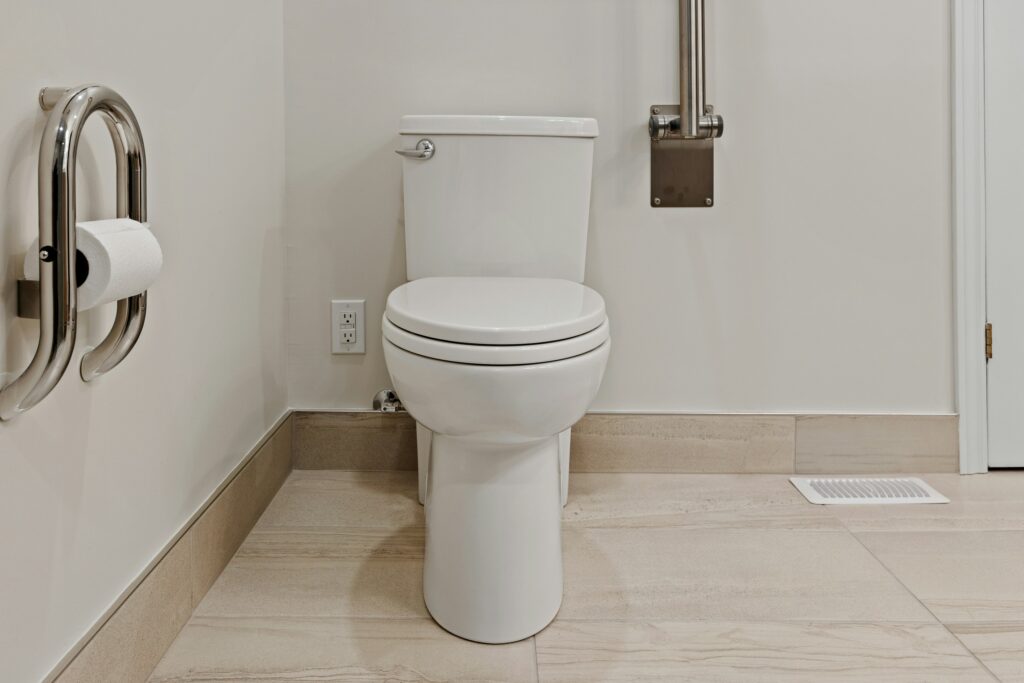
Toilet installation is sometimes the best answer when your toilet won’t flush and repairs no longer make sense. An older toilet that clogs constantly, cracks, or wastes water with every flush often costs more to keep than to replace. Modern toilets flush more powerfully while using far less water, which lowers your bill and reduces the clogs that come from weak flushes. Our plumbers help you choose a fixture that fits your bathroom, your budget, and your needs. We handle the full installation, from removing the old unit to setting the new wax ring and sealing the base. You can click here for our toilet installation service and upgrade to a toilet that works the way it should.
A proper installation prevents the leaks and wobbles that plague poorly seated toilets. We level the fixture, set a fresh wax ring, and secure the bowl so it stays solid for years. A correct seal protects your subfloor from the slow water damage that ruins so many bathrooms. We also test the supply line and the shutoff valve to make sure every connection is tight. Small details during installation prevent the callbacks and repairs that come from rushed work. Our careful process means your new toilet performs reliably from the very first flush.
Choosing the right toilet involves more than picking a style you like at the store. Bowl height, flush type, water usage, and rough in measurements all affect how well a toilet works in your space. We guide you through these choices so you end up with a fixture that fits and performs without surprises. A toilet matched to your home avoids the clogs and weak flushes that come from a poor fit. We bring the experience to recommend options that balance performance, water savings, and price. That guidance turns a simple replacement into a long term upgrade for your bathroom.
Why Choose Big Blade Plumbing & Rooter for a Toilet That Won’t Flush
Choosing Big Blade Plumbing & Rooter for a toilet that won’t flush means working with a team that has earned trust since 2007. We are a licensed plumbing contractor serving both residential and commercial customers across Burleson, Fort Worth, Arlington, Mansfield, and the surrounding communities. Our plumbers bring years of experience with toilets, drains, and sewer lines, so no flush problem catches us off guard. We respond fast because we know a broken toilet cannot wait. Honest recommendations without pressure have built our name in this area. When you call us, you get a real plumber focused on solving your problem the right way.
Our reputation rests on dependable service backed by strong workmanship, and we protect that reputation on every job. We diagnose problems accurately, explain your options in plain language, and never push a repair you do not need. Quality work focused on long term reliability means we fix the cause, not just the symptom. We treat your home with respect and leave the work area clean. Customers across the area return to us because we deliver results they can count on. That trust is the foundation of everything we do.
From a stubborn clog to a full toilet replacement, Big Blade Plumbing & Rooter handles it all with skill and care. We are experienced with sewer line and drain solutions, so even the toughest backups are within our reach. You can reach us at (817) 517-2425 or email info@bigbladeplumbingandrooter.com to schedule service. Our shop sits at 2113 S Burleson Blvd in Burleson, TX, ready to serve your neighborhood. When your toilet won’t flush, let our team get your bathroom back to normal. Call today and put a trusted local plumber to work for you.