
When To Repipe An Older Home
An older home carries a lot of charm, but the pipes hidden inside the walls do not last forever. Most plumbing systems have a working lifespan that depends on the material used, and once that material reaches the end of its service life, repairs start to pile up faster than they can be fixed. Homeowners across the area often wait until a major leak forces the issue, and by then the damage to floors, drywall, and cabinets has already started. Knowing the right moment to repipe an older home saves money, protects your property, and restores reliable water flow to every fixture. The decision usually comes down to the age of the system, the type of pipe in the walls, and the number of repairs you have paid for in recent years. If you have noticed rusty water, weak pressure, or repeat leaks, those clues point toward a system that needs more than a patch. This guide walks through the clear signs, the full repipe process, and the reasons a professional plumber should handle the work from start to finish. By the end, you will have a confident sense of when replacement makes more sense than another round of repairs.
Signs It Is Time to Repipe an Older Home
The strongest signal that you should repipe an older home is a pattern of problems rather than a single event. One leak can happen to any system, but several leaks in a short window usually mean the pipe material itself is breaking down. Water pressure that drops across the whole house, discolored water at multiple faucets, and pipes that show green or rust colored buildup all point in the same direction. Age plays a major role here; many homes built decades ago still run on the original supply lines. When you add the cost of repeated service calls together, full replacement often becomes the smarter financial choice. The signs below help you separate a one time fix from a system that has reached the end of its life.
Common Signs You Need to Repipe an Older Home
Recurring leaks are the clearest reason to repipe an older home, and they tend to follow a frustrating pattern. You fix one section, the pressure shifts, and a weak spot a few feet away gives out within months. This happens because old pipe walls thin out evenly across the whole run, so the entire length is near failure at the same time. A plumber who keeps returning to the same property for new leaks is usually treating a system that needs replacement, not repair. Each patch adds labor and material costs that add up quickly over a year or two. When the repair bills start to rival the cost of a full repipe, the math favors starting fresh. Frequent leaks also raise the risk of hidden water damage behind walls and under floors. That hidden damage often costs far more to fix than the plumbing itself.
Low water pressure throughout the house is another strong sign you may need to repipe an older home. Galvanized steel pipes corrode from the inside out, and that corrosion slowly narrows the open path that water travels through. Over many years the inside diameter shrinks until only a trickle reaches your showers and sinks. You might notice the problem most when two fixtures run at once, since the restricted pipe cannot supply both. Cleaning aerators and replacing fixtures will not solve the issue if the real bottleneck sits inside the supply lines. A pressure problem that affects the entire home, rather than one faucet, usually traces back to the pipe material. When the pressure keeps dropping year after year, the pipes have likely reached the point of no return. At that stage, a fresh set of lines is the only lasting fix.
Visible corrosion, flaking, or discoloration on exposed pipes gives you a direct warning that it is time to repipe an older home. Check the lines under sinks, in the basement, and around the water heater for rust stains, blue green deposits, or rough pitted surfaces. These marks show that the metal is reacting with water and minerals, which weakens the wall of the pipe. Stains on ceilings or walls also hint at slow leaks that have soaked into building materials over time. A musty smell in a closet or cabinet often means moisture has been collecting where you cannot see it. If you spot these issues across several areas of the home, the damage is widespread rather than isolated. Catching these clues early lets you plan a repipe before a sudden burst floods a room. Want a clear answer on the condition of your lines? Click here for our repiping service.
Water Quality Problems That Mean You Should Repipe an Older Home
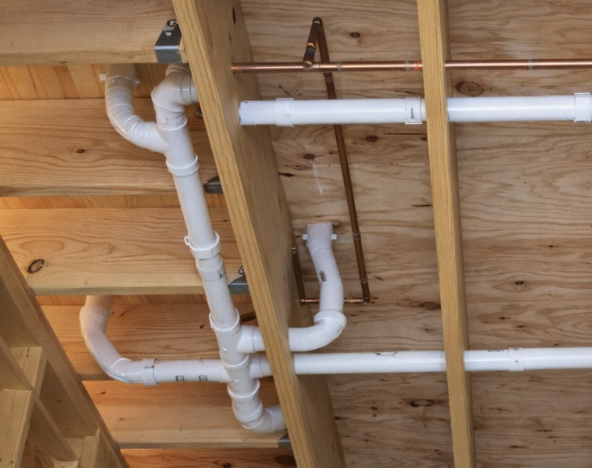
Discolored water is one of the most common quality problems that signal you should repipe an older home. Brown, yellow, or reddish water usually comes from rust inside corroding galvanized pipes. The color may appear strongest first thing in the morning, after water has sat in the lines overnight and picked up more rust. You might see staining on white sinks, tubs, and laundry that no amount of scrubbing fully removes. A water filter can mask the problem for a while, but it does not stop the corrosion that creates the rust in the first place. As the pipe continues to break down, the discoloration grows worse and reaches more fixtures. When clean filtered water still shows color at the tap, the supply lines themselves are the source. Replacing those lines is the only way to truly clear the water.
A metallic taste or odd smell in your tap water often means it is time to repipe an older home. When metal pipes corrode, tiny amounts of iron and other minerals enter the water and change its flavor. The taste tends to be sharp and almost coppery, and it can come and go depending on how long the water has been sitting. Some homeowners also notice a faint chemical or stale odor that points to buildup inside the lines. These changes matter because they reflect what is happening across the entire plumbing system. Boiling or filtering the water treats the symptom, not the failing pipe behind it. If the taste returns no matter what you try, the lines need to be replaced rather than treated. Fresh pipe material gives you cleaner, better tasting water at every fixture.
Sediment and mineral buildup that clogs fixtures is a quality issue that often pushes homeowners to repipe an older home. As old pipes degrade, flakes of rust and scale break loose and travel through the system. Those particles collect in faucet aerators, showerheads, and the small valves inside appliances. You may find yourself cleaning or replacing aerators far more often than you should. Over time the buildup reduces flow and can damage washing machines, dishwashers, and water heaters. Constant clogs across multiple fixtures suggest the source is the pipe, not the fixture itself. A repipe stops the supply of debris at the root, so your fixtures stay clear. That single change protects appliances and reduces repair costs throughout the home.
Pipe Materials That Often Require You to Repipe an Older Home
Galvanized steel is the material that most often forces a homeowner to repipe an older home. These pipes were standard in many houses built before the 1960s, and some saw use into the 1970s. The zinc coating that protects the steel wears away over the decades, which lets rust form on the inside. That rust narrows the pipe, weakens the walls, and pushes discolored water into your fixtures. Most galvanized systems have a working life of roughly forty to seventy years, and many homes are now well past that mark. Once corrosion takes hold, it spreads through the whole network rather than stopping at one spot. Repairing a single section rarely helps because the rest of the system is in similar shape. For homes still running on galvanized pipe, a full repipe is usually the right long term move.
Polybutylene is another material that commonly leads owners to repipe an older home. This gray plastic pipe was installed in many homes built from the late 1970s through the mid 1990s as a cheaper alternative to copper. Over time it became known for becoming brittle and failing without much warning, often at the fittings. Chemicals in normal treated tap water react with the material and weaken it from the inside. Because the failures can be sudden, a polybutylene system carries a higher risk of a surprise burst. Many insurance providers and home inspectors flag this pipe as a known problem. Homeowners who discover gray plastic supply lines should plan for replacement rather than wait for a leak. Swapping it out for a modern material removes a real and ongoing risk.
Older copper can also reach a point where you need to repipe an older home, even though copper is a durable choice. Decades of contact with water that runs slightly acidic can create pinhole leaks in copper lines. These tiny holes are hard to spot at first and often show up as small stains or damp areas long before they become obvious. When one pinhole leak appears, others usually follow across the same aging system. Hard water and high water pressure can speed up this wear over the years. At that stage, repairing each pinhole as it appears becomes an endless chore. Replacing the lines with new copper or modern PEX ends the cycle for good. Hidden moisture from these slow leaks is worth catching early; click here for our leak detection service.
How the Repipe Process Works for an Older Home
Understanding how the work unfolds takes the stress out of the decision to repipe an older home. A professional repipe is a planned project, not a frantic emergency, and a good plumber maps out every step before opening a wall. The process starts with a full inspection of the existing system, the layout of the house, and the points where new lines will connect. From there the plumber chooses access points that limit the amount of drywall that has to be opened. New supply lines go in, each fixture gets reconnected, and the whole system is pressure tested before the walls close back up. Knowing the stages ahead of time helps you plan around the work and set realistic expectations. The sections below break down what happens, which materials to consider, and how long the job usually takes.
What to Expect When You Repipe an Older Home
The first stage when you repipe an older home is a detailed inspection and plan. A plumber walks the property to locate every supply line, fixture, and connection point in the system. This step maps out the most efficient route for the new pipes and identifies where wall access will be needed. The plumber also checks local code requirements and pulls any permits the project calls for. A clear plan at this stage keeps the job on schedule and avoids surprises later. You should expect a written estimate that explains the scope, the materials, and the timeline. Good communication up front sets the tone for the entire project. This planning phase is where an experienced contractor earns their value.
The active installation is the core of the work when you repipe an older home. The plumber shuts off the water, then opens small, carefully chosen sections of wall and ceiling to reach the lines. New pipe runs go in along the planned route, and each fixture is connected to the fresh supply. Crews work room by room so that disruption to your daily routine stays as limited as possible. In many cases, the plumber can keep some water service running during parts of the job. The new lines are secured, insulated where needed, and prepared for testing. Throughout this stage, the focus stays on clean, code compliant connections that will last for decades. A tidy installation makes the patch and finish steps far easier.
The final stage of a repipe in an older home is testing, inspection, and cleanup. Once the new lines are in place, the plumber pressurizes the system to confirm there are no leaks at any joint. A local inspector may review the work to verify it meets code, depending on the permit. After the system passes, the access points get patched and the work area is cleaned. The plumber walks you through the new setup and confirms that every fixture runs with strong, clean flow. You should receive documentation of the work for your records and any future home sale. This careful close out protects you and confirms the job was done right. A solid repipe leaves you with a reliable system and clear paperwork to match.
Choosing the Right Pipe Materials to Repipe an Older Home
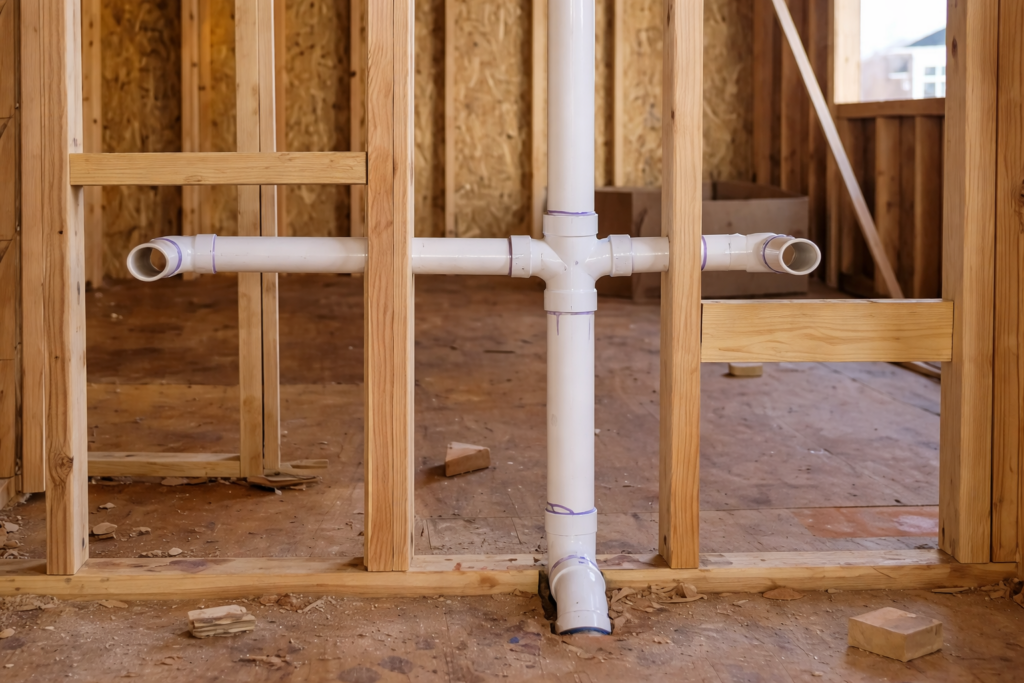
PEX is one of the most popular materials chosen to repipe an older home today. This flexible plastic tubing resists corrosion, scale, and the mineral buildup that plagues older metal pipes. Its flexibility lets a plumber route lines through walls with fewer fittings, which means fewer points that could ever leak. PEX also handles temperature swings well and resists bursting in cold conditions better than rigid pipe. Installation tends to go faster, which can lower the overall labor cost of the project. For many homes, PEX offers a strong mix of durability, performance, and value. It has become a trusted standard in modern residential plumbing. Homeowners who want a long lasting, low maintenance system often land on PEX.
Copper remains a respected choice when you repipe an older home, and it has a long track record. It stands up well to heat, holds up over many decades, and does not react with most water the way old galvanized steel does. Many homeowners value copper for its proven reliability and its resistance to bacteria. The material costs more than PEX and takes more time to install because each joint must be soldered. Still, copper can be the right call in certain layouts or for owners who prefer a metal system. A skilled plumber can advise on where copper makes the most sense for your home. The choice often comes down to budget, water conditions, and personal preference. Both copper and PEX outperform the aging materials they replace.
Matching the material to your specific home is the smartest way to repipe an older home. Water quality, local code, home layout, and budget all shape the best option for your property. A plumber who knows the area can factor in local water conditions that affect how each material performs over time. The right choice balances upfront cost against the years of reliable service you expect in return. A professional also considers how the new lines will tie into your water heater and fixtures. This tailored approach avoids a one size fits all answer that could leave you with the wrong system. Reviewing the options with an expert gives you confidence in the final plan. Ready to weigh your options? Click here to explore our repiping and piping services.
How Long It Takes to Repipe an Older Home
The size of your house is the biggest factor in how long it takes to repipe an older home. A small single bathroom home moves faster than a large two story house with multiple baths. Most whole home repipes fall in the range of two to five working days for the plumbing itself. The number of fixtures, the layout, and the access points all influence the final timeline. A clear plan up front keeps the project moving without unexpected delays. Your plumber should give you a realistic schedule before the work begins. Knowing the timeframe helps you prepare for short water shut offs during the job. Good planning keeps the disruption to your routine brief.
Wall access and finish work add time beyond the pipe installation itself when you repipe an older home. Opening and patching drywall, ceilings, or tile takes additional labor once the new lines are in place. Some plumbers handle basic patching, while finished paint and tile work may involve another trade. The amount of finish work depends on how many access points the layout required. A plumber who plans careful, limited access cuts down on the repair time afterward. Discussing the patch and finish plan early prevents confusion at the end of the job. This part of the timeline is easy to overlook but important to budget for. Clear expectations here keep the whole project smooth.
Permits and inspections can also shape how long it takes to repipe an older home. Local rules may require an inspection before walls are closed, which depends on the schedule of the inspector. A licensed plumber handles the permit process and coordinates these visits for you. Building this step into the plan keeps the project compliant and on track. Skipping permits to save time creates real problems during a future home sale. A professional knows the local requirements and works them into the timeline from the start. This approach protects you and confirms the work meets every code. With the right contractor, the permit process adds little stress to the overall job.
Why You Need a Professional to Repipe an Older Home
A repipe touches every water line in the house, so it is not a project for guesswork or part time help. A licensed plumber brings the training, tools, and code knowledge needed to repipe an older home safely and correctly. The wrong material, a poor connection, or a missed permit can turn a simple upgrade into a costly headache. Professional work also protects the value of your home and gives you documentation for the future. The right team finishes the job efficiently and leaves you with a reliable system. The sections below explain why expertise matters and what sets a trusted local plumber apart.
The Risks of Skipping a Professional to Repipe an Older Home
Trying to repipe an older home without a professional creates serious risk to your property. A single faulty joint hidden inside a wall can leak slowly for months before you ever notice. That hidden moisture leads to mold, rot, and damage that costs far more than the original plumbing work. Incorrect pipe sizing can also leave you with weak pressure across the whole house. These mistakes are hard and expensive to undo once the walls are closed. A trained plumber avoids these errors through proper planning and proven technique.
Code violations are another major risk when you skip a professional to repipe an older home. Local plumbing code exists to protect your health and your home, and inspectors enforce it for good reason. Work done without the right permits can fail an inspection and stall a future sale. You may be forced to tear open finished walls to correct hidden mistakes. A licensed plumber knows the code and builds it into the project from the very first step. That knowledge keeps you compliant and protected.
The cost of a redo often erases any savings from skipping a professional to repipe an older home. A job that fails inspection or springs a leak has to be opened up and corrected. Paying twice for the same work is the most expensive outcome of all. Hidden water damage adds even more to that final bill. Hiring an expert the first time is the surest way to control the total cost. A clean, correct repipe pays for itself in peace of mind and lasting reliability.
How a Professional Plans the Best Way to Repipe an Older Home
A professional starts with a full assessment to find the best way to repipe an older home. The plumber studies your current system, your water conditions, and the layout of the house. This careful review shapes a plan that fits your specific property rather than a generic template. The result is a route that limits wall access and reduces the finish work afterward. A tailored plan saves time, money, and stress over the life of the project. Expert planning is the foundation of a smooth repipe.
A professional also helps you choose the right materials to repipe an older home. The plumber explains the strengths of PEX and copper in plain terms so you can decide with confidence. That guidance factors in your budget, your water quality, and your long term goals. You end up with a system matched to your home rather than a guess. Clear advice at this stage prevents regret down the road. A trusted plumber treats your home as if it were their own.
Communication is a key part of how a professional handles a repipe in an older home. A good plumber keeps you informed at every stage, from the estimate to the final inspection. You always know the schedule, the cost, and the next step in the process. This open approach removes the uncertainty that makes big projects stressful. Honest updates build the trust that a major home investment deserves. That steady communication is the mark of a contractor worth hiring.
Why Choose Big Blade Plumbing & Rooter to Repipe an Older Home
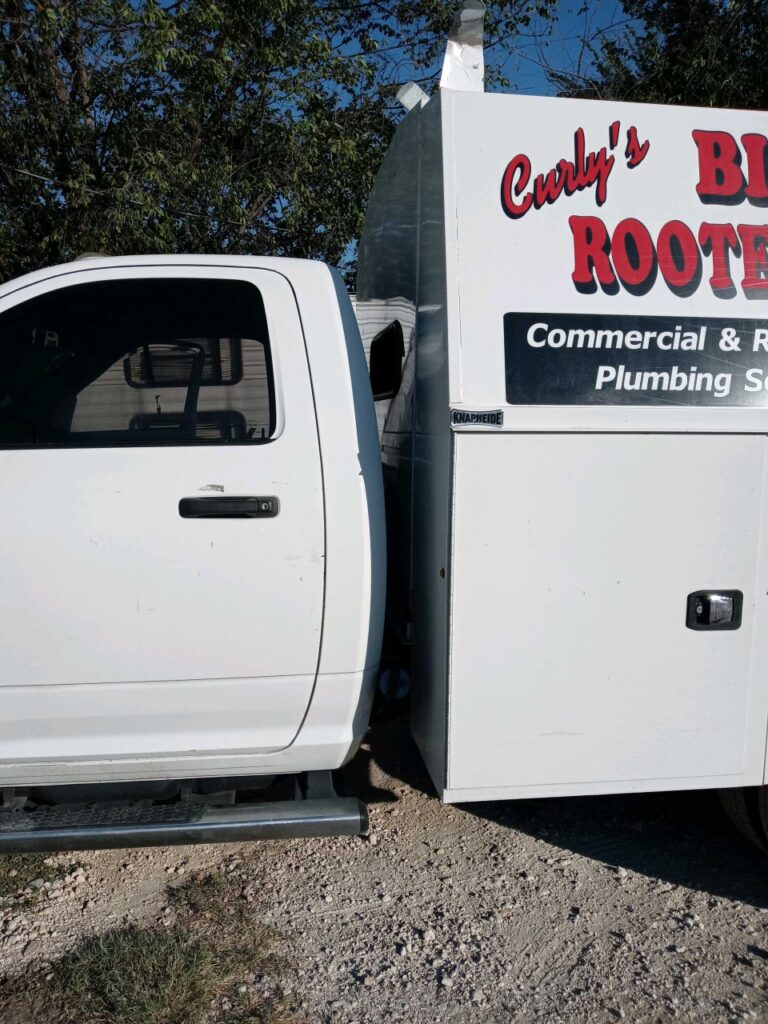
Big Blade Plumbing & Rooter has served as a licensed plumbing contractor since 2007, and that experience matters when you repipe an older home. The team handles both residential and commercial plumbing with the same focus on quality and care. Every project is backed by strong workmanship aimed at long term reliability. Homeowners across Burleson and the surrounding area trust the company for honest, dependable service. That track record gives you confidence before the first wall is ever opened. You can reach the team at (817) 517-2425 to discuss your home.
Honest recommendations without pressure set Big Blade Plumbing & Rooter apart when you repipe an older home. The team tells you the truth about your system, so you only pay for the work your home actually needs. Fast response times mean you are not left waiting when a plumbing problem turns urgent. Years of experience with sewer line and drain solutions add depth to every service call. This straightforward approach has earned the trust of customers throughout the region. You get clear answers and fair pricing from start to finish.
Quality work focused on long term reliability is the promise behind every repipe an older home project. Big Blade Plumbing & Rooter uses proven materials and code compliant methods that protect your investment for decades. The team treats your home with respect and leaves the work area clean when the job is done. Dependable service backed by strong workmanship is the standard on every project, large or small. Ready to upgrade the aging pipes in your home? Click here for our repiping service and schedule your visit today.