
Why Your Drains Smell Bad And How To Fix It
A bad smell coming from your drains is one of the most common plumbing complaints in homes across Burleson and the surrounding area. The odor can show up in your kitchen sink, your bathroom drain, your laundry area, or it can spread through an entire room until the whole space feels stale. Most of the time the smell points to something building up inside your pipes or a breakdown in the part of your plumbing that keeps sewer gas out of your living space. Summer heat in North Texas makes the problem worse, since warm temperatures speed up bacterial growth and dry out the water seals in your drains faster than in cooler months. The good news is that drain odors come from a small number of clear causes, and many of them have straightforward fixes. Some smells you can handle on your own with basic cleaning, while others need a licensed plumber to inspect the line and find the true source. Knowing what creates the odor helps you fix it correctly instead of masking it for a few days and watching it return. This guide explains why your drains smell bad, what each type of smell usually means, and how to get your drains clean and fresh again.
What Causes Bad Drain Smells In Your Home
Bad drain smells almost always trace back to something inside the pipe or a break in the parts that block sewer gas. Food, grease, hair, soap, and skin cells collect on the inside walls of your drain a little more each day. Bacteria feed on that material and release gases that smell sour, musty, or like rotten eggs. A drain that sits unused can also lose the water seal that normally keeps sewer odors out of the room. Each fixture in your home has its own common causes, so a kitchen smell and a bathroom smell often start in very different ways. Identifying the source is the first step toward a lasting fix rather than a quick cover up. The sections below break down the most common reasons your drains smell bad and what each one means.
Common Sources Of Bad Drain Smells In Kitchen Drains
The kitchen sink is the most likely spot in your home to develop a bad drain smell. Every time you rinse a plate, small amounts of grease, oil, and food slip down the drain and start to settle. Grease cools and hardens against the pipe walls, then traps more debris as new water passes by. Over weeks and months this layer grows thick enough to slow the water and hold rotting food in place against the pipe. Bacteria break down that trapped material and produce a sour, greasy odor that rises back up through the opening. Hot water and dish soap rinse the surface but rarely remove the hardened layer sitting underneath. This is why a kitchen drain can smell bad even when the sink itself looks spotless.
A garbage disposal is another frequent source of kitchen odor that people overlook. Food particles get caught under the splash guard, around the grinding chamber, and in the small gaps where the unit meets the drain. These bits sit in a warm, damp space that bacteria thrive in, especially during the hot summer months in Texas. Many people run the disposal and assume everything washes away, but residue stays behind on nearly every surface. Coffee grounds, eggshells, and starchy foods like rice and pasta are common offenders because they cling and expand inside the chamber. A disposal that smells of decay needs a real cleaning, not just a rinse with running water. Left alone, that smell grows stronger and can spread into the cabinet below the sink.
The curved pipe under your kitchen sink, called the trap, holds a small pool of water that blocks sewer gas from entering your home. When a sink goes unused for a long stretch, that water can evaporate and let foul air drift up from the sewer side of the line. A loose or leaking trap can also let odor escape directly into the cabinet beneath the sink. Venting problems add to the issue, since drains rely on proper airflow to carry waste and gas away from the house. A clogged or damaged vent pipe can actually pull the water out of the trap and release sewer smell into the kitchen. These issues look minor on the surface, yet they create some of the strongest odors a home will face. A licensed plumber can test both the trap and the vent to confirm the cause and rule out guesswork.
How Bathroom Drain Smells Develop Over Time
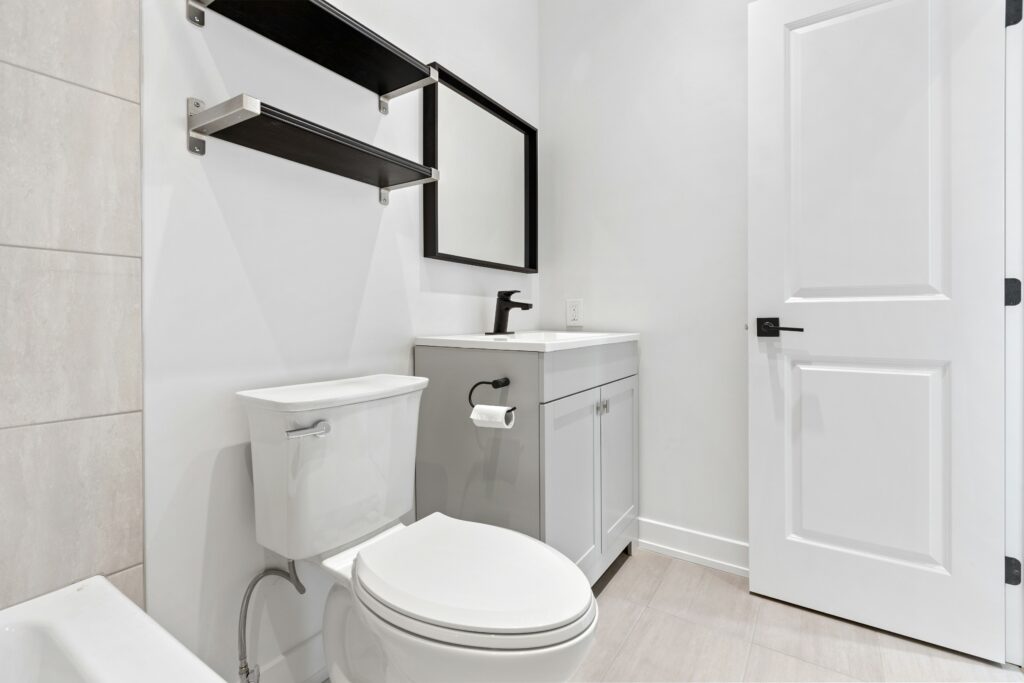
Bathroom drains build up a different mix of debris than kitchen lines do. Hair, soap scum, toothpaste, and skin cells wash down the sink, shower, and tub every single day. These materials cling to the pipe walls and form a slick layer known as biofilm. Biofilm is a living coating of bacteria that traps more grime and gives off a musty or sour smell over time. Soap also reacts with the minerals in hard water to leave a sticky residue that holds odor in place. Over months the buildup narrows the pipe and slows the drain, which lets standing water sit and turn stale. The result is a bathroom that smells bad even after you have cleaned every visible surface.
Shower and tub drains have traps just like sinks, and those traps can dry out in a guest bathroom or a shower nobody uses. When the water seal evaporates, sewer gas with its rotten egg odor flows straight into the room. Floor drains in laundry rooms and garages have the same weakness and are easy to forget about entirely. Running water through an unused drain for a minute refills the trap and often stops the smell right away. If the odor returns quickly, the trap may have a crack or the vent may be blocked somewhere in the line. Mold and mildew growing near a damp drain can add a musty layer on top of the sewer smell. A quick check of each drain in the room helps you narrow down where the problem starts.
A toilet that smells bad around its base often points to a failed wax ring underneath. The wax ring seals the toilet to the drain flange and keeps sewer gas and water from leaking out at floor level. When that seal breaks down or the toilet rocks loose, gas escapes and you notice an odor near the floor. Sink overflow openings can also hold grime and release a smell each time water passes through them. Bathroom ventilation matters too, since poor airflow lets moisture and odor linger instead of clearing out. These problems tend to start small and grow worse the longer you ignore them. Fixing the seal or the trap early prevents bigger repairs and water damage down the road.
When Sewer Gas Causes Bad Drain Smells
A rotten egg smell in your home is a strong sign of sewer gas. Sewer gas is a mix of gases created as waste breaks down inside the drain and sewer system. It contains hydrogen sulfide, which produces that sharp rotten egg odor, along with methane and other gases. Your plumbing is designed to keep this gas out using water filled traps and vent pipes that carry it up and out through the roof. When that system fails at any point, the gas finds its way back into your living space. The smell is unpleasant and, in high enough amounts, it can cause headaches and other symptoms. Treating sewer gas as a real plumbing issue rather than a minor annoyance protects both your comfort and your safety.
Several problems can let sewer gas into your home. A dried out trap is the most common and the easiest to fix, since pouring water down the drain refills the seal. A blocked vent stack on the roof stops air from flowing correctly and can siphon water out of traps throughout the house. Cracked or broken drain lines under the floor or inside the walls allow gas to seep out where you cannot see it. Loose fittings, failed seals, and damaged pipe joints create the same effect in hidden spots. Tree roots and shifting soil in North Texas can crack buried sewer lines slowly over the years. Each of these causes needs a different repair, so finding the exact source matters a great deal.
When a sewer smell keeps coming back after you refill the traps, the problem is usually deeper in the system. A licensed plumber can run a camera through the line to see the inside of the pipe and spot cracks, root intrusion, or blockages. This inspection takes the guesswork out of the repair and shows the exact location of the damage. Catching a cracked sewer line early prevents sewage backups and expensive digging later on. Ignoring the smell allows the problem to grow and can put your household health at risk. A professional inspection gives you a clear answer and a plan to fix the source for good. Worried the smell is coming from your sewer line? Click here for our sewer line inspection service.
How To Fix Bad Drain Smells And Keep Drains Fresh
Fixing a bad drain smell starts with finding the source and then matching the repair to the cause. Some odors clear up with simple cleaning and a refilled trap, while others need professional tools to reach deep buildup or repair damaged pipe. The key is to remove the material feeding the bacteria instead of covering the smell with air freshener. A clean drain runs faster, smells better, and lasts much longer before the next problem shows up. The steps below move from easy at home methods to professional service for the tougher cases. Working through them in order helps you fix the smell the right way the first time. If the odor returns fast after cleaning, that is your sign to bring in a licensed plumber.
Simple Steps To Fix Bad Drain Smells At Home
Many drain smells respond to basic cleaning you can do on your own. Start by running hot water down the drain for a full minute to loosen light grease and flush away loose debris. A scoop of baking soda followed by white vinegar can break down mild buildup and freshen the pipe; let it sit for several minutes, then rinse with hot water. For a garbage disposal, grind a few ice cubes with a little dish soap to scrub the chamber, then drop in citrus peels to leave a clean scent. Clean the rubber splash guard by hand, since food hides on the underside where running water never reaches. These steps work best for fresh, mild odors that you catch early. Repeat them every couple of weeks to keep buildup from forming again.
Refilling a dry trap is one of the easiest fixes for a sudden sewer smell. Pour about a quart of water down each sink, shower, tub, and floor drain that you do not use very often. This refills the water seal and blocks sewer gas almost right away. Avoid pouring harsh chemical drain cleaners down the pipe, since they can corrode older plumbing and rarely remove hardened grease. These products also create dangerous fumes and can damage seals and fittings inside the line. A safer choice is an enzyme based cleaner that uses natural bacteria to eat through organic buildup over time. Used on a regular schedule, an enzyme cleaner keeps drains clear without harming your pipes.
Clean the visible parts of each drain on a regular schedule so grime never gets a head start. Pull the stopper from your bathroom sink and remove the hair, soap, and gunk wrapped around it. Use a small drain brush to scrub inside the opening where biofilm tends to collect. Catch hair before it goes down by adding a mesh strainer to your shower and tub drains. Wipe down the disposal and the sink area so food does not dry and cling overnight. If you have tried these steps and the smell keeps coming back, the buildup is likely deep in the line where home tools cannot reach. That is the point where professional drain cleaning gives you a real and lasting fix. Dealing with slow drains and an odor that will not clear? Click here for our drain cleaning service.
How Professional Drain Cleaning Fixes Bad Drain Smells
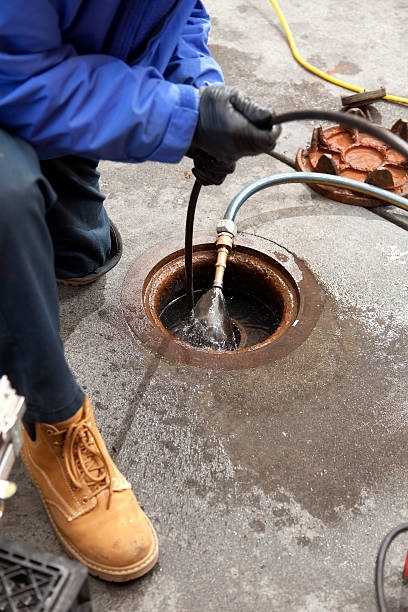
Professional drain cleaning reaches the buildup that home methods leave behind. A licensed plumber uses tools made to clear the full diameter of the pipe rather than just the surface layer. A motorized drain auger, often called a snake, breaks through clogs and scrapes debris off the pipe walls. This removes the rotting material that bacteria feed on, which is the thing that actually stops the smell. The plumber can also confirm where the buildup sits and how far it runs down the line. Clearing the line fully restores proper flow and keeps water from sitting and turning stale. The result is a drain that smells clean because the source is gone, not simply hidden.
For heavy grease, sludge, and years of buildup, hydro jetting is the most thorough option available. A hydro jetting machine sends water through the pipe at very high pressure, scouring the walls clean from top to bottom. The force cuts through hardened grease, soap scum, and even small root intrusions that a standard auger can leave behind. Because it cleans the entire inner surface, hydro jetting reaches a level of clean that lasts much longer than a quick clog clear. Plumbers often pair it with a camera inspection to confirm the pipe is sound before applying that much pressure. This method works well for kitchen lines packed with grease and main lines that drain the whole house. It is one of the best ways to fix a deep, stubborn odor for the long run. Need to clear heavy grease and buildup from your pipes? Click here for our hydro jetting service.
Sometimes the smell comes from damage rather than buildup, and that situation calls for a closer look. A plumber can send a small waterproof camera through the drain to inspect the inside of the pipe in real time. The camera shows cracks, sagging sections that hold water, root intrusion, and broken joints that release gas. Seeing the problem directly means the repair targets the exact spot instead of relying on a guess. This saves money, since the plumber digs or repairs only where the damage actually sits. A camera inspection also gives you a clear record of the pipe condition for future reference. For a smell that keeps returning, this step often reveals the true cause once and for all.
Preventing Bad Drain Smells From Coming Back
Stopping a drain smell before it starts is far easier than fixing one after it sets in. In the kitchen, keep grease and oil out of the sink by pouring them into a can and tossing them in the trash. Scrape plates into the garbage before rinsing so food does not wash into the drain in the first place. Run cold water while using the disposal and let it run a few seconds after to flush everything fully through. Avoid putting fibrous foods, coffee grounds, and large scraps into the disposal at all. These simple habits keep the grease layer from forming inside the pipe. A little care each day prevents the buildup that leads to most odors.
In the bathroom, the biggest favor you can do for your drains is catching hair before it goes down. A mesh strainer over each shower and tub drain stops most of it for only a few cents. Clean the strainer and the sink stopper every week to clear away soap and trapped hair. Flush each drain with hot water now and then to keep biofilm from settling on the walls. Pour water into guest bathroom drains and floor drains every few weeks so the traps never run dry. Watch for slow drains, since a sluggish flow is an early warning that buildup is starting to form. Acting on these signs early keeps small issues from turning into smelly ones.
A regular maintenance routine protects your whole plumbing system from odor and clogs alike. Schedule professional drain cleaning before buildup grows thick enough to slow your drains or create a smell. Homes with large families, frequent cooking, or older pipes benefit from service on a set schedule. Enzyme cleaners used monthly help keep organic buildup under control between professional visits. Keeping your traps full and your vents clear stops sewer gas from sneaking back into the home. A licensed plumber can spot early warning signs during routine service and fix them before they grow. This kind of upkeep saves money and keeps your home smelling fresh all year long.
Why You Need A Professional To Fix Bad Drain Smells
Some drain smells clear up with a little cleaning, but a smell that keeps returning points to a deeper problem. A licensed plumber has the tools and the training to find the true source and fix it for good. Guessing at the cause or relying on store bought chemicals often wastes money and can damage your pipes in the process. The team at Big Blade Plumbing & Rooter has served Burleson and the surrounding area as a licensed plumbing contractor since 2007. We find the cause, explain your options in plain language, and do the work right the first time. When the smell simply will not go away, a professional gives you a lasting answer instead of a temporary patch.
When To Call A Plumber For Bad Drain Smells
Knowing when to call a plumber for bad drain smells saves you both time and stress. If the odor returns within a day or two of cleaning, the source is deeper than you can reach on your own. A rotten egg smell that spreads through more than one room often means a sewer gas problem that needs professional attention. Slow drains across several fixtures at the same time usually point to a clog in the main line. These signs all call for a licensed plumber rather than another round of home cleaning.
Other warning signs make the choice even clearer. Gurgling sounds from your drains mean air is trapped, which often points to a venting or main line issue. Water that backs up into a tub or sink when you flush a toilet signals a serious blockage in the sewer line. A patch of soggy ground or a foul smell in your yard can mean a cracked sewer pipe underground. Any of these problems can lead to a backup or water damage if you wait too long to act. Calling a plumber early keeps a small repair from turning into a large and costly one.
Acting quickly on bad drain smells protects both your home and your health. Sewer gas in high amounts is not just unpleasant; it can cause headaches and irritation. A backup of sewage brings bacteria into your living space and creates a real cleanup problem. The longer a cracked line or deep clog sits, the more it tends to cost to fix. A licensed plumber can stop the problem at the source and prevent it from coming back. When in doubt, a quick service call is far cheaper than an emergency repair.
What To Expect From Our Drain Smell Repair Service
When you call Big Blade Plumbing & Rooter about bad drain smells, we start by finding the real cause. We ask about where the smell shows up, how long it has lasted, and which drains run slow. Then we inspect the fixtures, traps, and vents to narrow down the source of the odor. For deeper problems, we run a camera through the line to see the inside of the pipe. This careful approach means we treat the cause and not just the symptom.
Once we find the source, we explain what we found in plain, clear language. You get an honest assessment and clear options before any work begins. We never pressure you into service you do not need. If a simple drain cleaning will fix it, we tell you that, and if the line needs hydro jetting or repair, we explain exactly why. Our goal is to give you the information to make a good decision for your home.
We back our work with strong workmanship and a focus on long term results. We use professional tools to clear the line fully so the smell does not return in a week. After the repair, we share simple steps you can take to keep your drains fresh. Our team respects your home and your time, and we show up ready to work. We want the fix to last, not just to pass the moment.
Why Choose Big Blade Plumbing & Rooter For Bad Drain Smells
Big Blade Plumbing & Rooter has been a licensed plumbing contractor since 2007. We handle both residential and commercial plumbing across Burleson and the nearby communities. Our experience with sewer line and drain solutions makes us a strong choice for tough odor problems. We have seen every type of drain smell and we know how to track down the source. That depth of experience means a faster, more accurate fix for your home.
Our reputation is built on honest recommendations without pressure. We believe in fast response times, since a drain problem rarely waits for a convenient moment. When you call, you reach a team that takes your concern seriously and treats your home with care. We focus on quality work that holds up over time rather than a quick patch. That commitment is why so many of our customers call us back and refer their neighbors.
Choosing a dependable plumber gives you peace of mind the next time something goes wrong. We stand behind our work with strong workmanship and a focus on long term reliability. Reach Big Blade Plumbing & Rooter at (817) 517-2425 or email info@bigbladeplumbingandrooter.com to schedule service. Our office is located at 2113 S Burleson Blvd, Burleson, TX 76028. Let us find the source of the smell and get your drains clean and fresh again.