
How to Prevent Costly Plumbing Emergencies
A plumbing emergency has a way of arriving at the worst possible moment. A pipe bursts in the middle of the night, a water heater fails the morning of a family gathering, or a sewer line backs up just as guests arrive. Beyond the stress and inconvenience, these emergencies often come with a steep price tag, especially when water damage spreads into walls, flooring, and belongings before anyone notices. The good news for homeowners in Burleson, TX is that the vast majority of plumbing emergencies are preventable with a little knowledge, some simple habits, and routine maintenance.
At Big Blade Plumbing & Rooter, we respond to emergency calls every week that could have been avoided entirely. Time and again, a small, ignored warning sign turns into a major repair simply because no one acted early. The strategies below will help you protect your home, extend the life of your plumbing system, and avoid the kind of expensive, disruptive failures that catch families off guard. A little prevention now can save you thousands of dollars and a great deal of frustration later.
Why Plumbing Emergencies Are So Costly
It’s easy to underestimate how quickly a plumbing problem can spiral into a financial disaster. The repair to the pipe or fixture itself is often the smallest part of the bill. The real expense comes from the collateral damage: water-soaked drywall that must be torn out and replaced, warped hardwood floors, ruined carpet, damaged furniture, and the mold remediation that frequently follows. A single burst pipe can release dozens of gallons of water per minute, flooding an entire floor in a matter of hours. When you also factor in emergency service rates, the cost of a true plumbing emergency can be many times higher than the cost of preventing it in the first place. That’s why prevention is always the smarter investment.
Know Where Your Main Water Shutoff Valve Is
If you take only one piece of advice from this article, make it this one. Every member of your household should know exactly where the main water shutoff valve is located and how to operate it. When a pipe bursts or a fixture fails catastrophically, the single most important thing you can do is stop the flow of water as fast as possible. Every minute that water keeps pouring into your home means more damage and a bigger repair bill.
In most homes, the main shutoff is located near where the water line enters the house, often in a basement, garage, utility area, or near an outdoor wall. Take a few minutes today to locate yours, make sure it turns freely, and show everyone in your home how to close it. It’s also wise to know where the individual shutoff valves are for your toilets, sinks, and water heater, so you can isolate a problem without cutting off water to the entire house.
Watch What Goes Down Your Drains
Clogged drains are one of the most common causes of plumbing emergencies, and they are also among the most preventable. In the kitchen, grease is the biggest offender. When hot grease and cooking oil go down the drain, they may be liquid at first, but they cool and solidify inside your pipes, gradually building up until water can no longer pass. Instead of pouring grease down the sink, let it cool and dispose of it in the trash. Food scraps, coffee grounds, and starchy items like pasta and rice also belong in the garbage rather than the drain, even if you have a garbage disposal.
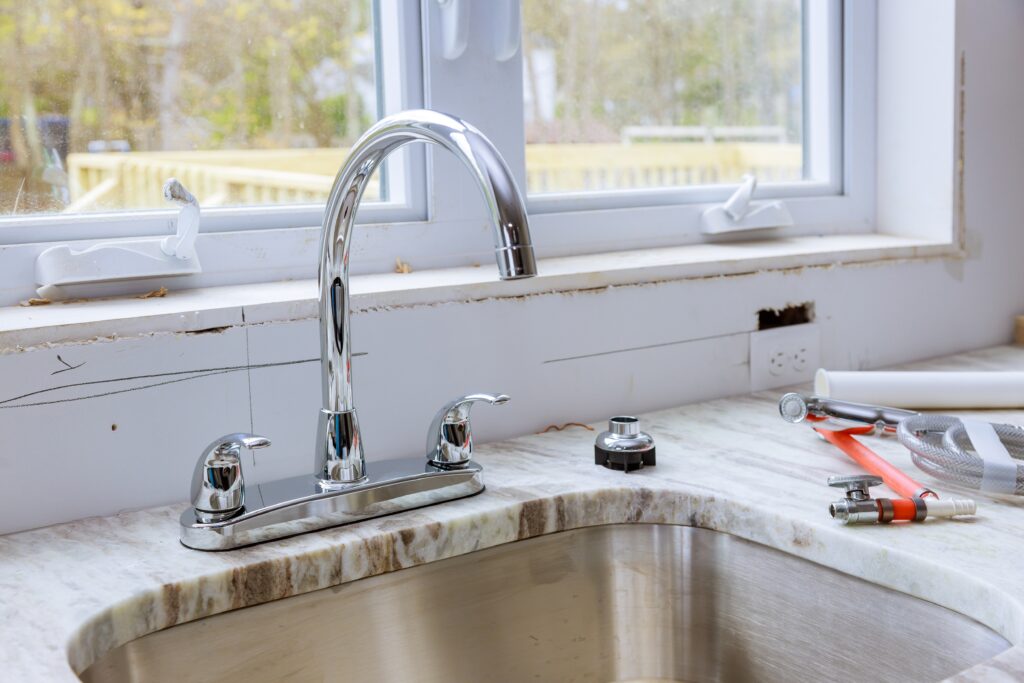
In bathrooms, hair and soap scum are the usual culprits behind slow and clogged drains. A simple mesh drain strainer placed over each drain catches hair before it enters your pipes and costs just a few dollars. Avoid the temptation to reach for harsh chemical drain cleaners when a clog forms, as these products can corrode your pipes over time and often only push the problem deeper. Treating your drains with care keeps water flowing freely and helps you avoid the messy, unpleasant backups that lead to emergency calls.
Think Before You Flush
Your toilet is designed to handle exactly two things: human waste and toilet paper. Everything else, no matter what the packaging claims, is a risk to your plumbing. So-called “flushable” wipes are one of the leading causes of clogs and sewer backups, because they do not break down the way toilet paper does. The same goes for paper towels, cotton balls, feminine hygiene products, dental floss, and cotton swabs. These items can lodge in your pipes or combine with grease and other debris to form stubborn blockages deep in your sewer line. Keep a small trash can in every bathroom and make the rule clear to everyone in the household, especially children, that nothing but waste and toilet paper goes in the toilet.
Protect Your Pipes from Freezing Temperatures
While North Texas winters are generally mild, the region experiences hard freezes often enough that frozen pipes are a genuine threat, as many Burleson homeowners learned during recent severe winter storms. When water inside a pipe freezes, it expands, and that pressure can crack or burst the pipe. The real damage often appears when the ice thaws and water gushes out of the break, sometimes flooding a home while the owners are away or asleep.
You can dramatically reduce this risk with a few simple steps before cold weather hits. Insulate exposed pipes in unheated areas like garages, attics, and crawl spaces, and disconnect garden hoses from outdoor spigots. During a hard freeze, let faucets drip slightly to keep water moving, open cabinet doors under sinks to let warm air reach the pipes, and keep your heat on even when you’re away. Taking these precautions costs little but can spare you one of the most destructive and expensive plumbing emergencies a homeowner can face.
Address Small Leaks Before They Become Big Ones
A slow drip from a faucet or a small puddle under a sink is easy to dismiss, but ignoring these minor issues is one of the most common ways homeowners end up with major emergencies. A small leak is rarely just a small leak. It is often the early stage of a problem that will worsen over time, and the constant moisture it creates can rot wood, damage cabinetry, and feed mold growth long before a pipe ever fails completely.
Make a habit of periodically checking the areas under your sinks, around your toilets, and near your water heater for any signs of moisture, corrosion, or water stains. A toilet that runs constantly, a faucet that won’t stop dripping, or a damp spot that keeps returning all deserve prompt attention. Addressing a small repair when it first appears is almost always faster, cheaper, and less stressful than waiting until it becomes an emergency.
Maintain Your Water Heater
Your water heater works hard every single day, and like any appliance, it needs occasional care to keep running safely and reliably. Over time, sediment from your water supply settles at the bottom of the tank, where it reduces efficiency, drives up energy costs, and can shorten the unit’s lifespan. Flushing the tank once a year removes this buildup and helps your water heater perform at its best. It’s also worth periodically inspecting the unit for signs of trouble, such as rust-colored water, popping or rumbling noises, or moisture pooling around the base.
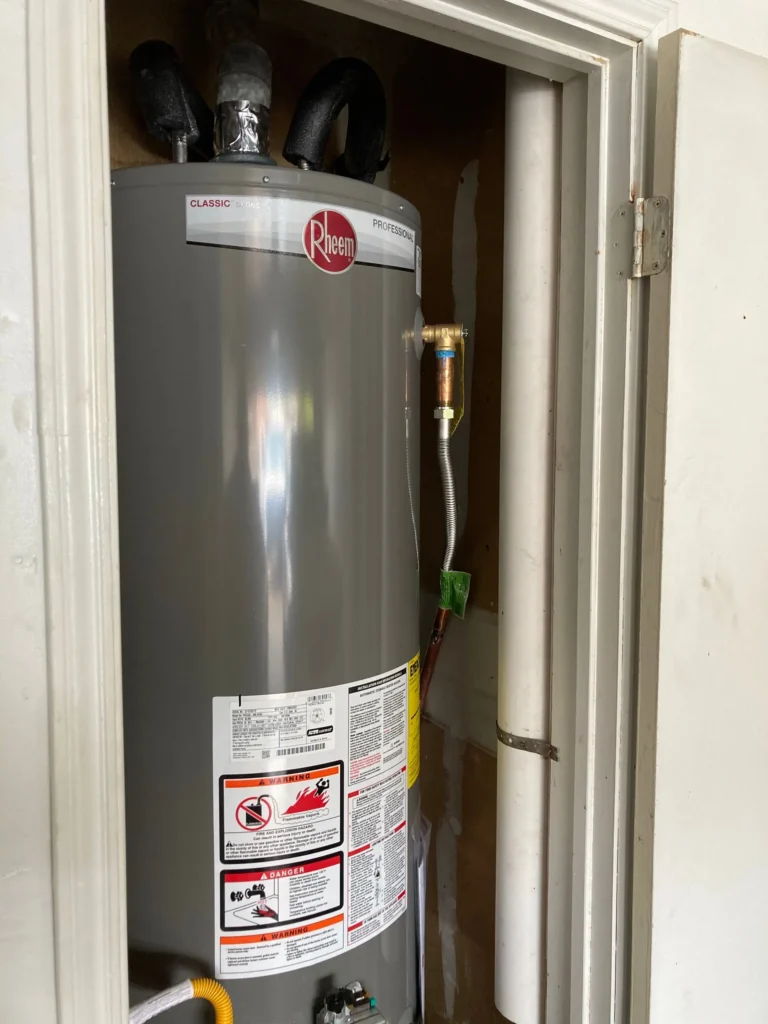
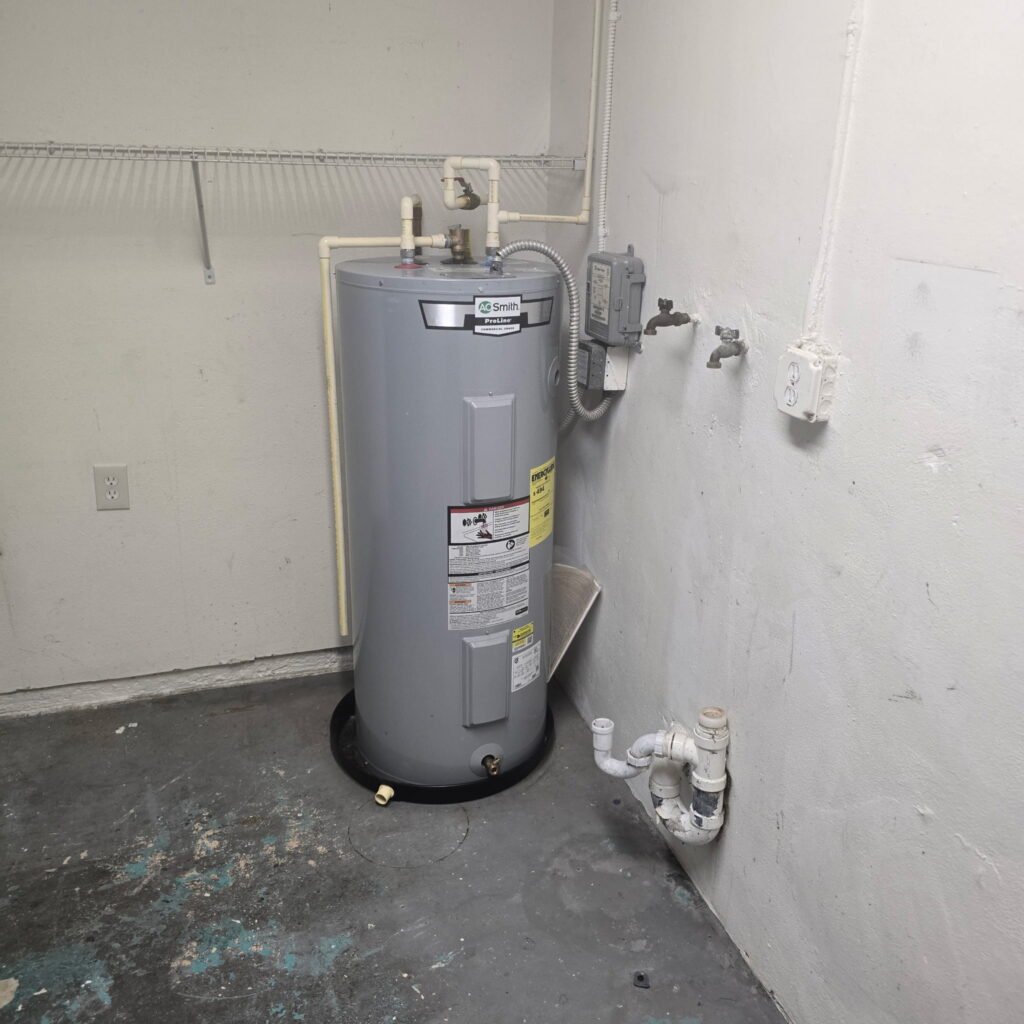
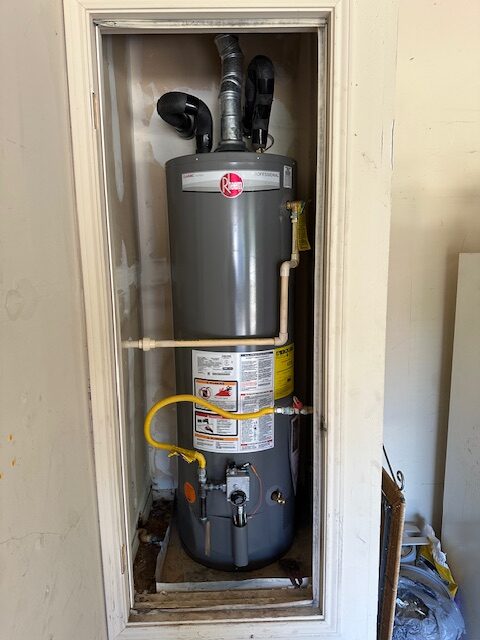
A failing water heater can fail dramatically, leaking or even rupturing and releasing its entire tank of water across your floor. Most water heaters last somewhere between eight and twelve years, so if yours is approaching or past that age, it’s wise to have it evaluated by a professional and to start planning for a replacement before it fails unexpectedly. Proactive maintenance and timely replacement are far less costly than an emergency flood and an emergency installation.
Keep an Eye on Your Water Pressure
Many homeowners assume that high water pressure is a good thing, but pressure that is too high actually puts excessive strain on your pipes, fixtures, and appliances, accelerating wear and increasing the likelihood of leaks and bursts. You can check your home’s water pressure with an inexpensive gauge that screws onto an outdoor spigot. Ideal household water pressure generally falls between forty and sixty psi. If your pressure is significantly higher, a plumber can install or adjust a pressure-reducing valve to protect your system. Keeping your pressure in a healthy range is a small step that extends the life of your entire plumbing system.
Protect Your Sewer Line
Some of the most expensive plumbing emergencies involve the main sewer line, the pipe that carries waste away from your home. Tree roots are a frequent cause of trouble, naturally seeking out the moisture and nutrients inside sewer pipes and infiltrating them through tiny cracks and joints. Over time, these roots can grow large enough to block the line entirely, leading to slow drains throughout the house, gurgling sounds, or sewage backing up into your home. If you have mature trees near your sewer line, it’s worth being especially vigilant and having the line inspected periodically. Early warning signs like multiple slow drains at once should never be ignored, as catching a sewer issue early can prevent a truly unpleasant and costly emergency.
Schedule Routine Professional Inspections
Perhaps the most effective way to prevent costly plumbing emergencies is to have a licensed plumber inspect your system on a regular basis. A professional can spot the early signs of trouble that homeowners easily miss, including corrosion, small leaks, weakening connections, water pressure problems, and aging components nearing the end of their service life. Catching these issues during a routine visit means they can be addressed on your schedule and your budget, rather than in the middle of a stressful emergency. Think of plumbing maintenance the same way you think of regular checkups for your car or your health: small, consistent attention now prevents big, expensive problems later.
Preventing plumbing emergencies comes down to good habits, regular maintenance, and addressing small problems before they grow. By knowing your shutoff valve, caring for your drains, protecting your pipes from freezing, and scheduling routine inspections, you can avoid the vast majority of the disasters that catch homeowners by surprise.
When you need professional support, Big Blade Plumbing & Rooter is here to help homeowners throughout Burleson, TX and the surrounding communities keep their plumbing systems running smoothly. Whether you’re due for a routine inspection, need a small repair handled before it becomes a big one, or want expert advice on protecting your home, our experienced team is ready to help. Contact Big Blade Plumbing & Rooter today to schedule service and take the first step toward a worry-free plumbing system.