
Why Your Water Heater May Stop Producing Hot Water
Few household problems disrupt your routine quite like stepping into the shower and being greeted by a blast of cold water. A water heater that suddenly stops producing hot water, or only delivers lukewarm water that runs out quickly, is one of the most common plumbing complaints homeowners face. The frustrating part is that there are many possible causes, ranging from simple issues you can check yourself to serious failures that require a professional. For homeowners in Burleson, TX, understanding why your water heater might quit on you can help you respond quickly, avoid unnecessary cold showers, and know when it’s time to call for help.
At Big Blade Plumbing & Rooter, water heater problems are among the most frequent calls we receive, and the good news is that many of them are repairable. Whether you have a gas or electric model, the root of the problem usually falls into one of a handful of categories. Below, we walk through the most common reasons a water heater stops producing hot water, what each one means, and how to tell whether you’re dealing with a quick fix or a sign that your unit is nearing the end of its life.
A Tripped Breaker or Blown Fuse on Electric Units
If you have an electric water heater and the water has gone completely cold, the very first thing to check is your electrical panel. Electric water heaters draw a significant amount of power, and a tripped circuit breaker is one of the most common and easily overlooked reasons they stop heating. A power surge, an overloaded circuit, or simply an aging breaker can interrupt the electricity your unit needs to function.
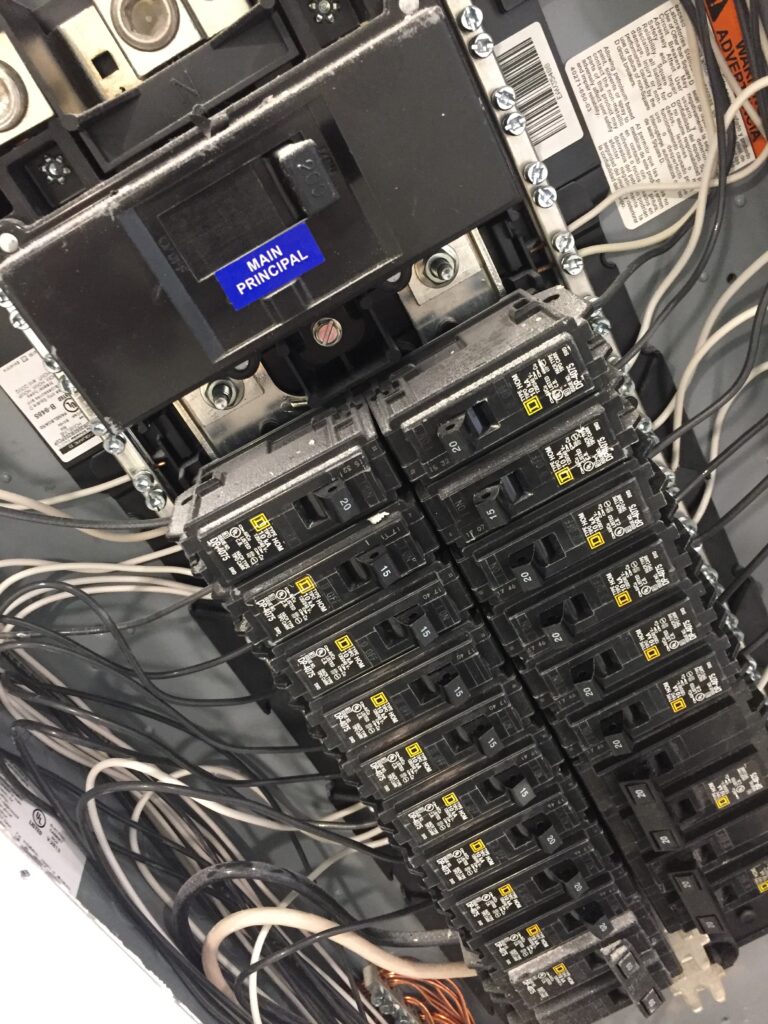
Locate the breaker labeled for your water heater and check whether it has tripped to the off or middle position. If it has, switch it fully off and then back on. If the breaker trips again shortly after you reset it, do not keep resetting it repeatedly. A breaker that trips again and again is signaling an underlying electrical problem, such as a short or a failing component, that needs to be diagnosed by a professional rather than forced back into service.
Pilot Light and Ignition Problems on Gas Units
Gas water heaters rely on a flame to heat the water, and if that flame goes out, so does your hot water supply. On older units, this means the pilot light has gone out, which can happen due to a draft, a dirty pilot orifice, or a problem with the gas supply. Many gas heaters allow you to relight the pilot yourself by following the instructions printed on the unit, but if the pilot won’t stay lit after you relight it, the issue likely runs deeper.
A common culprit is a faulty thermocouple, the small safety device that senses whether the pilot flame is burning. When the thermocouple fails or becomes dirty, it can mistakenly shut off the gas supply as a safety measure, preventing the burner from staying lit. Newer gas heaters use electronic ignition systems instead of a standing pilot, and these can fail as well. Because gas appliances carry real safety risks, anything beyond simply relighting the pilot is best left to a qualified plumber.
A Faulty Heating Element
Electric water heaters typically have two heating elements inside the tank, an upper element and a lower element, that warm the water directly. These elements wear out over time and are a frequent cause of hot water problems. The pattern of the symptoms can even hint at which element has failed. If you have no hot water at all, the upper heating element may have failed. If you have hot water that runs out unusually fast or never gets fully hot, the lower element is often the suspect.
Heating elements can burn out from normal age and use, but they fail faster when sediment accumulates around them, causing them to overheat. Replacing a heating element is a relatively affordable repair, but it involves shutting off the power, draining the tank, and working with electrical components, so it’s a job most homeowners are wise to leave to a professional who can confirm the diagnosis and install the correct replacement part.
Sediment Buildup in the Tank
Over months and years, minerals and sediment naturally settle at the bottom of your water heater tank. This is especially true in areas with hard water, which is common across much of North Texas. As this layer of sediment thickens, it creates a barrier between the burner or heating element and the water, forcing the unit to work harder and longer to heat your water, or preventing it from heating effectively at all.
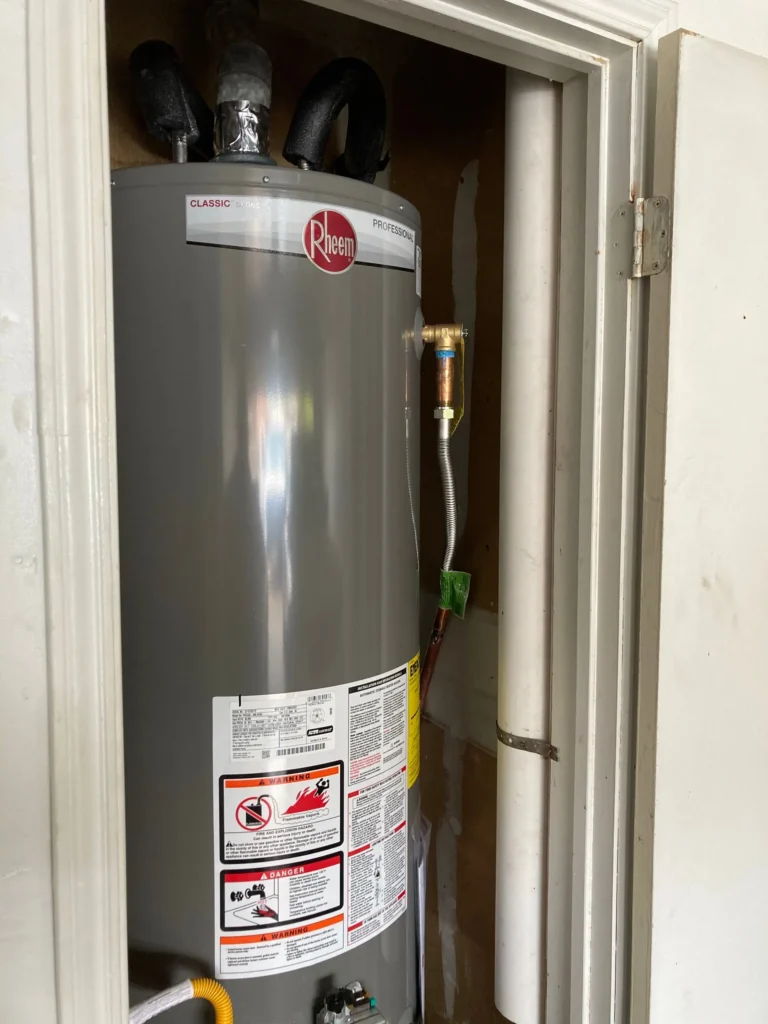
You may notice the early signs of sediment buildup before your hot water disappears entirely. Popping, rumbling, or crackling sounds coming from the tank are classic indicators, caused by water bubbling up through the sediment layer. Rusty or discolored hot water is another warning sign. Flushing the tank once a year removes this buildup and is one of the best things you can do to keep your water heater running efficiently and to extend its lifespan. If the sediment has been allowed to harden over many years, however, it can permanently damage the unit.
A Malfunctioning Thermostat
Your water heater’s thermostat controls the temperature of the water by telling the heating element or burner when to turn on. When a thermostat malfunctions, it can fail to signal for heat at all, leaving you with cold water, or it can behave erratically, producing water that’s inconsistent in temperature. Sometimes the fix is as simple as the thermostat having been accidentally turned down or set too low, which is always worth checking first.
If the thermostat setting looks correct but you’re still not getting properly heated water, the thermostat itself may have failed and need replacement. A professional can test the component to confirm whether it’s working properly and replace it if necessary, ensuring your water reaches a safe and comfortable temperature without the risk of scalding.
Lukewarm Water and a Failed Dip Tube
If your water never seems to get hot enough no matter what you do, a broken dip tube could be to blame. The dip tube is the component that carries incoming cold water down to the bottom of the tank to be heated. When this tube cracks or breaks, cold water gets released near the top of the tank and mixes with the hot water before it reaches your faucet, resulting in water that is consistently lukewarm rather than hot. While less common than other causes, a failed dip tube is a recognized issue, particularly in certain units, and it’s something a plumber can diagnose and correct.
Your Water Heater Is Too Small for Your Needs
Sometimes the issue isn’t a malfunction at all, but simply a matter of capacity. If your household has grown, or if everyone tends to shower around the same time, your water heater may not be able to keep up with the demand. Running out of hot water during periods of heavy use, only to have it return after the tank refills and reheats, often points to an undersized unit rather than a broken one. If this sounds familiar, a plumber can help you determine whether a larger tank or a tankless water heater would better suit your household’s needs.
An Aging Water Heater at the End of Its Life
Like any major appliance, a water heater has a finite lifespan. Most traditional tank water heaters last somewhere between eight and twelve years, depending on water quality, usage, and how well they’ve been maintained. As a unit ages, its components wear out, sediment accumulates, and the tank itself can begin to corrode from the inside. If your water heater is more than a decade old and has started delivering less hot water, requiring frequent repairs, leaking, or producing rusty water, it may simply be reaching the end of its useful life.
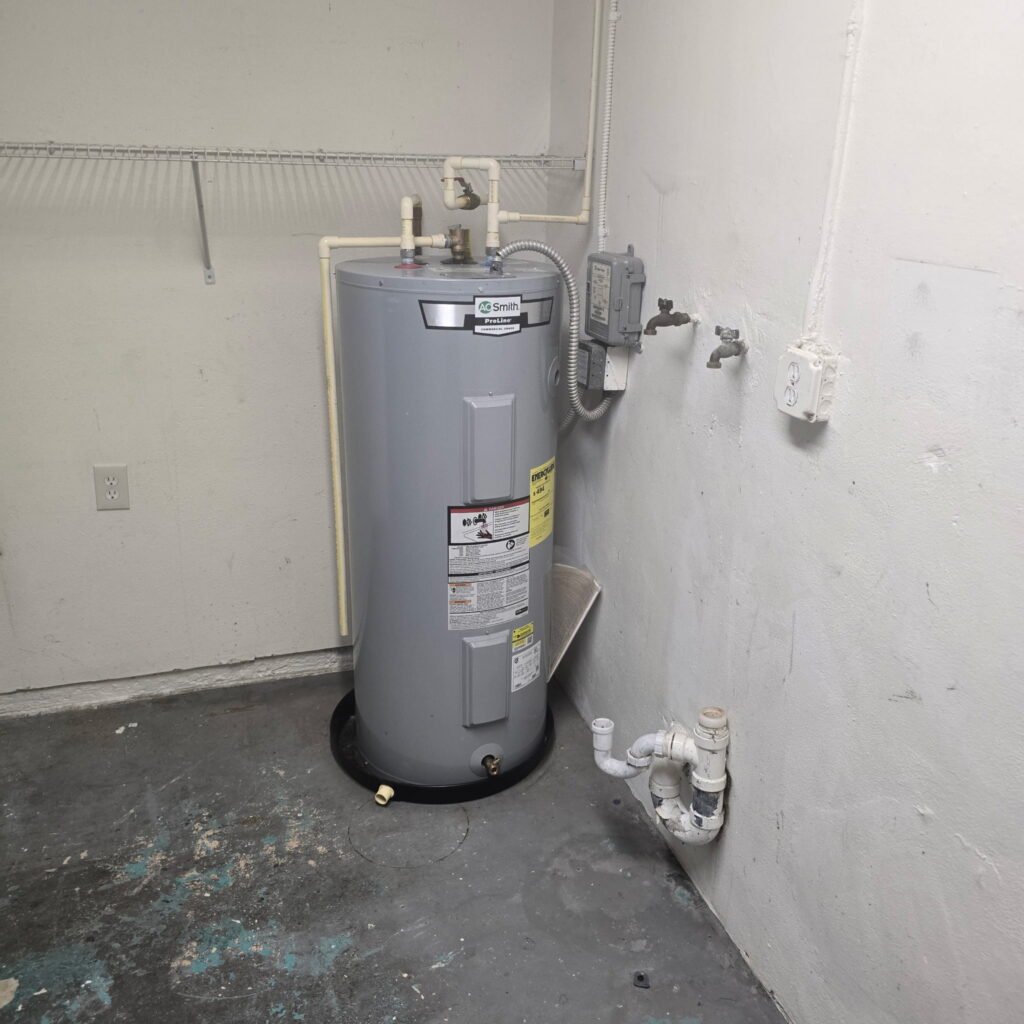
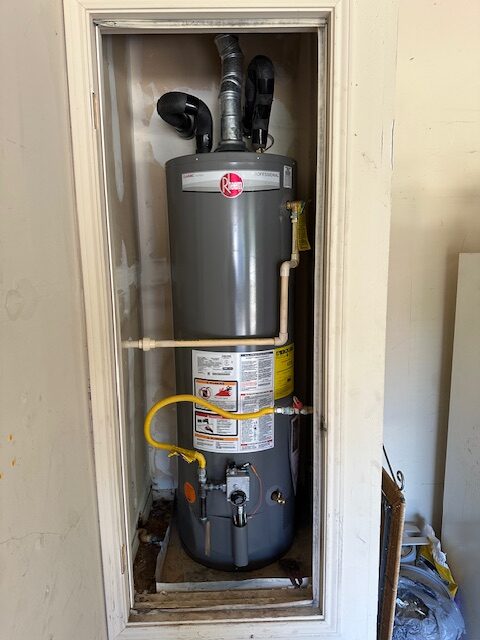
In these cases, continuing to pour money into repairs on an old unit often isn’t the wisest choice. A modern, energy-efficient replacement can lower your utility bills, deliver more reliable hot water, and spare you the headache of an unexpected failure that leaves you without hot water entirely or, worse, floods your home when the tank finally gives out.
When to Call a Professional Plumber in Burleson, TX
While checking your circuit breaker, relighting a pilot, or confirming your thermostat setting are reasonable first steps, most water heater problems involve electrical components, gas lines, or pressurized tanks that carry real safety risks. Working on these systems without the proper knowledge and tools can be dangerous and can make the problem worse. If your hot water hasn’t returned after the basic checks, or if you notice leaking, strange noises, discolored water, or a breaker that keeps tripping, it’s time to bring in a professional.
A licensed plumber can quickly diagnose the true cause, recommend whether a repair or replacement makes the most sense for your situation, and get your hot water flowing again safely. Trying to guess at the problem often leads to wasted money and prolonged cold showers.
A water heater that stops producing hot water is more than an inconvenience, but it’s rarely a mystery to an experienced plumber. From tripped breakers and failed heating elements to sediment buildup and aging tanks, the cause can almost always be identified and addressed. The key is acting promptly and getting an accurate diagnosis before a minor issue becomes a major one.
At Big Blade Plumbing & Rooter, we help homeowners throughout Burleson, TX and the surrounding communities repair and replace water heaters of every type. Whether you need a quick repair, a thorough inspection, or guidance on upgrading to a more efficient unit, our experienced team is ready to restore your hot water and your peace of mind. Contact Big Blade Plumbing & Rooter today to schedule service and get back to enjoying reliable hot water in your home.