
How To Keep Your Garbage Disposal From Jamming
A garbage disposal works harder than almost any other appliance in your kitchen, and it does so without much thought from the people who use it every day. Most homeowners only notice the unit when it stops spinning and the sink starts filling with water. A jam is the single most common failure these units face, and it almost always comes from what slides down the drain. The encouraging part is that nearly every jam can be prevented with a handful of simple habits. Once you understand how the grinding chamber actually works, the foods and objects that cause trouble become easy to spot. This guide walks through why disposals jam, the steps that stop it from happening, and the safe way to free a unit that locks up. You will also learn the warning signs that point to a deeper problem hiding in the drain line. By the end, you will know exactly how to protect your disposal and when the smart move is to call a licensed plumber.
Why Your Garbage Disposal Keeps Jamming
A garbage disposal jams the moment the grinding plate can no longer turn freely inside the chamber. Several different problems can create that resistance, and they often work together at the same time. Sometimes a hard object slips in and wedges against the impellers. Other times a slow buildup of fibrous or starchy food wraps around the moving parts and chokes them. The motor was built to grind soft food waste into tiny pieces, not to chew through bone, glass, or thick rinds. When pressure against the flywheel climbs too high, a small internal breaker trips to shield the motor from burning out. Understanding these root causes is the first step toward changing the habits that lead to a jam. Almost every jam traces back to three things: what you feed the unit, how much water you run, and how often you clean it.
Common Causes That Make a Garbage Disposal Jam
The most frequent cause of a garbage disposal jam is feeding the unit more waste than it can process at one time. The grinding chamber needs open space to spin and break food into pieces small enough to wash away. When you push a thick pile of scraps in all at once, the food packs together and stalls the flywheel before it can build speed. Running the disposal with little or no water makes the situation far worse, because water is what carries the ground particles out of the chamber and into the drain line. A dry grind leaves behind a heavy sludge that hardens against the walls and binds the plate. Many people also shut the unit off the instant the grinding noise fades, which leaves the last bits of waste sitting inside. Those final seconds of run time clear the chamber and keep residue from settling. Small adjustments in how you feed the unit stop the majority of jams before they ever begin.
Foreign objects are the second leading cause of a stuck disposal, and they often arrive without anyone noticing. Silverware, bottle caps, twist ties, fruit stickers, and small bones slip into the chamber while dishes get rinsed. Once inside, these items wedge between the impeller and the grinding ring and bring the motor to a hard stop. Hard objects can also chip the grinding components and bend the flywheel, which leads to permanent damage over time. A single spoon that drops in unseen will jam the unit the very moment you flip the switch. This is the reason a plumber will always tell you to watch what falls into the sink basin. Glancing into the chamber before you run the unit takes only a moment and can save you a costly repair. A simple sink strainer sitting in the drain is the easiest defense against this kind of jam.
Grease and mineral buildup cause a slower jam, but the damage is just as real. Grease pours in as a warm liquid and then cools into a hard layer that coats the chamber and the pipe below it. As that layer thickens, it traps food particles and forms a dense paste that the motor must fight on every spin. Hard water in the Burleson area adds mineral scale to the metal parts, which raises the friction even more. When that friction climbs high enough, the motor pulls too much current and the reset breaker trips to protect it. A disposal that hums loudly but refuses to turn is usually battling this kind of hidden resistance. Steady cleaning keeps these deposits from ever building into a full blockage. Flushing the unit with plenty of cold water after each use is one of the simplest ways to slow the process down.
Foods That Cause a Garbage Disposal to Jam
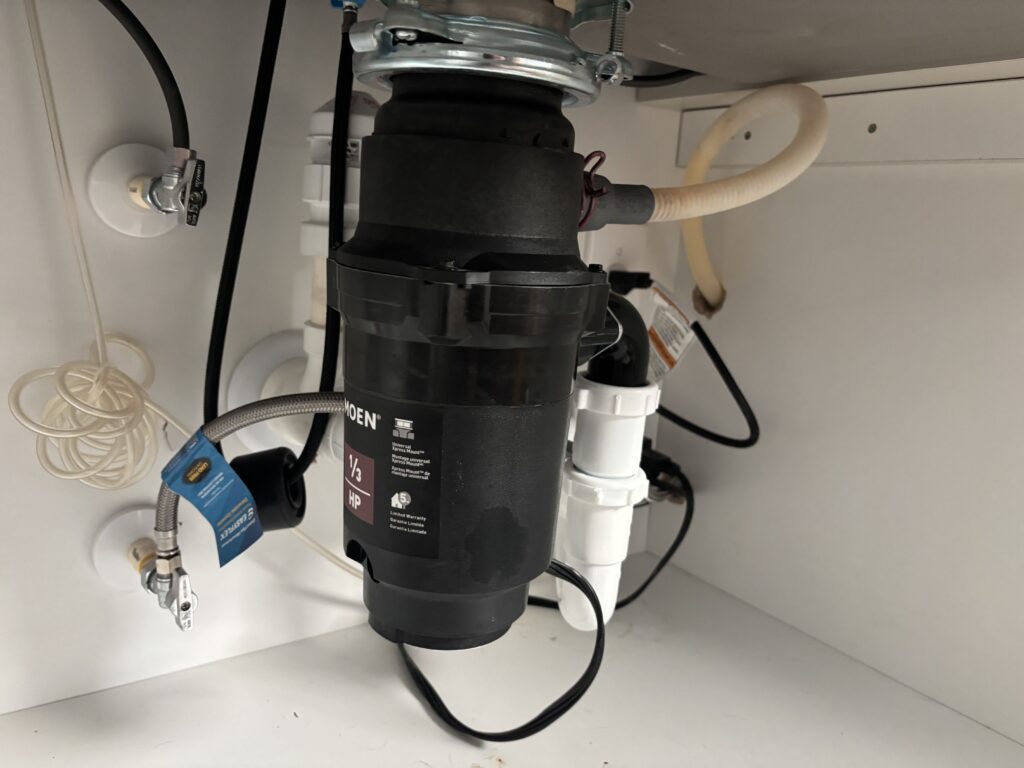
Fibrous vegetables rank among the worst offenders for a jammed garbage disposal. Celery, corn husks, artichokes, asparagus, and onion skins all carry long, tough strings inside them. Those fibers behave like rope and wind tightly around the impellers until the motor can no longer turn. The grinding plate simply cannot slice through them the way it cuts soft scraps. Once the strings wrap tight, they grab other food and knit it into a dense plug. Plenty of homeowners are surprised that something as light and harmless as celery can stop a powerful motor. With these foods, the shape and texture matter far more than the weight. Keeping stringy vegetables out of the disposal protects the impellers from one of the most common traps in the kitchen.
Starchy foods create a separate problem that is every bit as serious. Potato peels, rice, pasta, and beans all swell as they absorb water inside the chamber. They blend into a thick paste that clings to the grinding walls and the drain line below. That paste hardens as it sits and chokes off the flow of water leaving the unit. When water can no longer drain, the chamber floods and the motor strains against the rising load. Rice and pasta are especially stubborn because they keep expanding for hours after they go down the drain. A small handful can swell into a blockage large enough to stop the entire system. Scraping these foods into the trash or compost bin keeps your disposal running clean and clear.
Hard and dense items belong in the trash and never in the disposal. Bones, fruit pits, and shellfish shells are far too tough for the grinding plate to break apart. The motor either stalls against them outright or grinds itself down trying. Coffee grounds feel harmless because each grain is tiny, yet they settle into a dense sediment that packs the drain. Eggshells leave behind a stringy membrane along with a fine grit that scratches the metal parts. Grease and cooking oil enter as a liquid and then set into a solid layer in the pipe below. Each of these adds steady stress that shortens the working life of the unit. Learning which foods to avoid is honestly half the battle of keeping a disposal jam free.
Warning Signs Your Garbage Disposal Is About to Jam
A disposal rarely jams without warning, and the first clue almost always comes through sound. A healthy unit produces a steady grinding hum that settles down quickly once the food clears. When you start to hear a rattle, a sharp metallic clank, or a high grinding screech, something is wrong inside the chamber. A loud hum with no spinning means the motor is drawing power while the plate sits frozen. That particular sound is your signal to shut the unit off right away before the motor overheats. Strange noises that return after every use usually point to an object lodged against the impellers. Paying attention to your disposal tells you a great deal about its condition. Catching these sounds early keeps a minor issue from growing into a full jam.
Slow draining is another early sign that a jam is quietly forming. Water that pools in the sink while the disposal runs shows that the chamber is no longer clearing waste fast enough. This usually means a paste of food and grease has begun to coat the inside of the drain line. The unit may still spin, but the buildup keeps water from flowing freely through the pipe. You might also catch a sour smell as trapped scraps start to rot inside the chamber. Those odors are a clear sign that food is sitting where it should have washed away. A disposal that needs longer and longer to clear each load is sliding toward a stall. Addressing the slow drain right away keeps the motor from straining against a heavy load.
Frequent trips to the reset button are one of the clearest red flags of all. The reset button on the bottom of the unit pops out when the motor draws more current than it can safely handle. If you find yourself pressing it again and again, the disposal is fighting a problem that keeps coming back. Unusual vibration that feels stronger than normal can also signal a worn or bent grinding component. A unit that leaks at the base or gives off a burning smell has moved well past a simple jam. These signs mean the internal parts are under heavy stress and may fail before long. Ignoring them often turns an inexpensive fix into a full replacement. A licensed plumber can inspect the unit and tell you which parts need attention before the motor burns out for good.
How To Keep Your Garbage Disposal From Jamming
Preventing a jam is far easier and far cheaper than clearing one, and it all starts with a few daily habits. The goal is straightforward: feed the unit slowly, run plenty of cold water, and keep the wrong foods out of the drain. Regular cleaning stops grease and food residue from hardening inside the chamber where it does the most harm. A little attention each week keeps the grinding parts moving freely for many years. If your current disposal already shows heavy wear, a fresh unit can solve the problem for good. Need a new disposal installed the right way? Click here for our garbage disposal installation service. The steps below show you exactly how to keep your unit running without a single jam.
Daily Habits That Keep Your Garbage Disposal From Jamming
The single best habit for keeping your garbage disposal from jamming is running cold water before, during, and after every use. Cold water keeps fats and oils in a solid state so they wash down the line instead of coating the chamber walls. Turn the water on first, then switch on the disposal, and feed scraps in slowly rather than all at once. Let the unit keep running for several seconds after the grinding noise fades away. That extra time flushes the final bits of waste out of the chamber and down the drain. Avoid hot water while the unit is grinding, since heat melts grease and lets it spread through the pipe. Keeping a steady flow gives the motor the help it needs to push the load clear. These small steps add up to a real difference over the working life of the unit.
Feeding the disposal in small amounts is the next habit worth building. Cut large scraps into smaller pieces before they ever reach the sink. The grinding chamber performs best with a light, steady load rather than a packed pile of food. Forcing a full plate of scraps in at once is one of the fastest ways to cause a jam. Give the unit a chance to grind each batch before you add the next handful. This easy rhythm keeps the flywheel spinning and the water moving through the chamber. It also keeps the motor from drawing too much current and tripping the reset button. A little patience at the sink saves you from a stuck disposal later on.
Using a sink strainer is a simple habit that quietly prevents a long list of jams. The strainer catches silverware, bottle caps, and other small objects before they can fall into the chamber. It also blocks the fibrous and starchy foods that wrap around and clog the impellers. Scrape your plates into the trash or compost bin first, then rinse only the small scraps into the disposal. This routine keeps the heavy load out of the unit entirely. Teach everyone in the household to follow the same steps so nothing slips through by accident. A few seconds of scraping each day protects the motor for years to come. Strong kitchen habits are the foundation of a disposal that never jams.
Cleaning Steps That Keep Your Garbage Disposal From Jamming
Regular cleaning is one of the most effective ways to keep your garbage disposal from jamming. The buildup of grease and food residue is a slow process that ends in a stuck flywheel if nobody steps in. A weekly cleaning breaks up that residue long before it can harden into a problem. Start by running cold water and a steady stream of dish soap through the unit for about a minute. The soap loosens the grease while the cold water carries it safely down the line. This simple rinse keeps the chamber walls clear and the drain flowing. A clean chamber spins with far less resistance, which protects the motor. Make this rinse part of your weekly kitchen routine for the best long term results.
Ice and salt together make an excellent natural scrub for the grinding components. Drop a generous handful of ice cubes and a spoonful of coarse salt into the disposal, then run it with cold water. The ice knocks loose the food stuck to the impellers and along the chamber walls. The salt works as a mild abrasive that scours the metal surfaces clean. This method freshens the grinding edges without any harsh chemicals at all. You will often hear the unit run noticeably smoother right after the treatment. Doing this once or twice a month keeps the chamber in strong shape. It is a cheap, safe, and effective way to fight stubborn buildup.
Odor and bacteria deserve attention as part of any complete cleaning routine. Citrus peels from a lemon or orange freshen the unit and leave behind a clean, bright scent. For a deeper clean, pour baking soda into the chamber, add a splash of vinegar, and let the mixture foam for several minutes. Then flush the unit with plenty of cold water to rinse the loosened residue away. Avoid harsh drain chemicals, because they can corrode the metal parts and the rubber seals inside the disposal. If the buildup keeps returning no matter what you do, the drain line below the unit may need a professional cleaning. Want a clogged line cleared the right way? Click here for our drain cleaning service. Keeping the line clear protects both the disposal and the rest of your kitchen plumbing.
When To Call a Plumber for Garbage Disposal Problems
Most jams have a simple fix, but some problems call for a licensed plumber. A unit that jams over and over is telling you something deeper has gone wrong. Leaks, burning smells, and a motor that will not reset are all signs of real internal damage. The team at Big Blade Plumbing & Rooter can pinpoint the cause and repair or replace the unit quickly. Ready to fix a stubborn disposal for good? Click here for our garbage disposal installation service. A quick call now can save you from a flooded cabinet and a much larger bill later.
Signs You Need Professional Garbage Disposal Service
Some signs make it perfectly clear that your disposal needs professional service. A unit that leaks water from the base or the drain connection has a seal that is failing. Standing water under the sink can ruin cabinets and lead to mold growth over time. A burning smell means the motor is overheating and may be nearing the end of its life. When the reset button trips again and again, the internal parts are under heavy strain. These problems call for a trained plumber rather than another quick fix at home.
Repeated jams are one of the strongest signs that you need professional garbage disposal service. A unit that locks up every single week has a problem your cleaning routine simply cannot reach. The grinding components may be worn, bent, or dulled after years of steady use. A blockage buried deep in the drain line can also force the unit to stall again and again. A plumber can inspect both the disposal and the line to find the true source of the trouble. Fixing that root cause is what finally ends the cycle of jams.
Strange noises and weak grinding also point to a unit that needs a professional. A loud grinding screech often means metal is rubbing against metal somewhere inside the chamber. A disposal that takes far longer than usual to clear a load has lost real grinding power. These signs usually mean the flywheel or the shredder ring is starting to fail. Pushing a worn unit harder only speeds up the damage already underway. A plumber can tell you quickly whether a repair makes sense or a new unit is the smarter choice.
How Professional Garbage Disposal Service Helps
Professional garbage disposal service saves you time, money, and a good deal of frustration. A licensed plumber arrives with the right tools to diagnose the problem on the very first visit. They can clear a jam, free a stuck flywheel, or replace a worn unit all in one trip. They also inspect the drain line to confirm that no buildup remains hiding below the disposal. This thorough approach fixes the actual problem instead of just treating the symptom. You walk away with a unit that works the way it should without any guesswork.
A plumber also protects the rest of your plumbing during a disposal repair. The disposal connects to the sink drain, the trap, and often the dishwasher line as well. A sloppy repair can cause leaks or backups in any of those connected parts. A trained plumber checks every joint to make sure the whole system stays sealed and tight. Professional service means the fix actually lasts and does not create a brand new problem. That peace of mind is worth far more than a rushed patch job.
Professional installation matters most when the time comes for a new disposal. The right unit has to match your sink, your daily usage, and your existing plumbing setup. A plumber sizes the motor correctly and mounts the unit so it runs without leaks or heavy vibration. Proper wiring and a secure drain connection keep the new unit working smoothly for years. A clean installation also protects your warranty and helps you avoid future repairs. When you want the job done right the first time, professional service is clearly the smart choice.
Why Choose Big Blade Plumbing & Rooter for Garbage Disposal Service
Big Blade Plumbing & Rooter has served the Burleson area as a licensed plumbing contractor since 2007. We handle both residential and commercial plumbing, so we have seen every kind of disposal problem there is. Our team offers honest recommendations without pressure, which means you only pay for the work you truly need. We focus on quality work that is built for long term reliability. When you call us, you get a plumber who treats your home with real care and respect.
Fast response times set our team apart when a plumbing problem disrupts your whole day. A jammed disposal or a leaking sink cannot always wait, and we understand that completely. We arrive ready to diagnose the issue and fix it on the spot whenever it is possible. Our experience with sewer lines and drain solutions means we look at the entire system, not just the unit in front of us. That wider view helps us catch hidden problems before they grow into something costly. Dependable service backed by strong workmanship is the standard we bring to every single job.
Choosing Big Blade Plumbing & Rooter means choosing a team that stands firmly behind its work. We are located at 2113 S Burleson Blvd in Burleson, Texas, and we serve the surrounding communities with pride. You can reach us anytime at (817) 517-2425 or by email at info@bigbladeplumbingandrooter.com. We take our reputation seriously and treat every customer with honesty and respect. From a simple jam to a full disposal replacement, our team is ready to help. Call us today and let us keep your kitchen running the way it should.