
What Causes Low Water Pressure In Your Home
Low water pressure in your home can turn simple tasks into slow, frustrating chores. A shower that trickles instead of sprays, a sink that takes forever to fill, and a washing machine that runs long cycles all point to a pressure problem. Many homeowners in Burleson notice the change gradually, while others wake up to a sudden drop overnight. The cause can be something minor, like a clogged aerator, or something serious, like a hidden leak beneath the slab. Understanding the most common reasons behind weak water flow helps you act before small issues become expensive repairs. This guide walks you through what causes low water pressure, how to find the source, and when to bring in a licensed plumber. Big Blade Plumbing & Rooter has served local homes since 2007, and our team sees these problems every week.
Common Causes Of Low Water Pressure In Your Home
Low water pressure rarely happens for one reason alone. The plumbing system in your home relies on clean pipes, sealed connections, and a working pressure regulator to push water where it needs to go. When any part of that chain fails, the flow at your faucets and showerheads drops. Some causes sit close to the fixture and stay easy to fix, while others hide deep inside walls or below the foundation. Knowing the difference saves you time and money. Below are the three causes our plumbers find most often in area homes.
Clogged Pipes That Lower Water Pressure In Your Home
Mineral buildup is one of the leading reasons pipes lose flow over time. North Texas water carries a high level of calcium and magnesium, and those minerals settle along the inside walls of your pipes. The deposits, often called scale, narrow the path water travels through. As the opening shrinks, less water reaches your faucets, and the pressure at every fixture drops. Older galvanized steel pipes suffer the worst because rust adds to the buildup. A pipe that once moved water freely can close off to a fraction of its original size. The change happens slowly, so many homeowners never notice until the flow becomes weak across the whole house.
Clogs also form from debris, sediment, and corrosion that break loose inside the system. Tiny rust flakes from aging pipes travel with the water and collect at bends, valves, and aerators. A single clogged aerator on one faucet limits flow at that spot, but a clogged main line affects every tap. Hard water scale builds inside water heaters too, which lowers hot water pressure while cold stays normal. You may notice strong cold flow and weak hot flow at the same sink. That pattern usually points to buildup inside the heater or the hot water lines. A plumber can flush the system and clear the blockage before it spreads.
Catching a clogged pipe early protects the rest of your plumbing. When pressure drops in only one fixture, start by cleaning the aerator and showerhead, since those clog first. Soak the parts in vinegar to dissolve the mineral crust, then rinse and reinstall them. When the low pressure covers the entire home, the problem sits deeper in the main lines. At that point, a professional inspection tells you the true extent of the buildup. Replacing a section of corroded pipe often restores full flow right away. Our team can test your lines and recommend the right fix without pressure or upsells.
Hidden Leaks That Reduce Water Pressure In Your Home
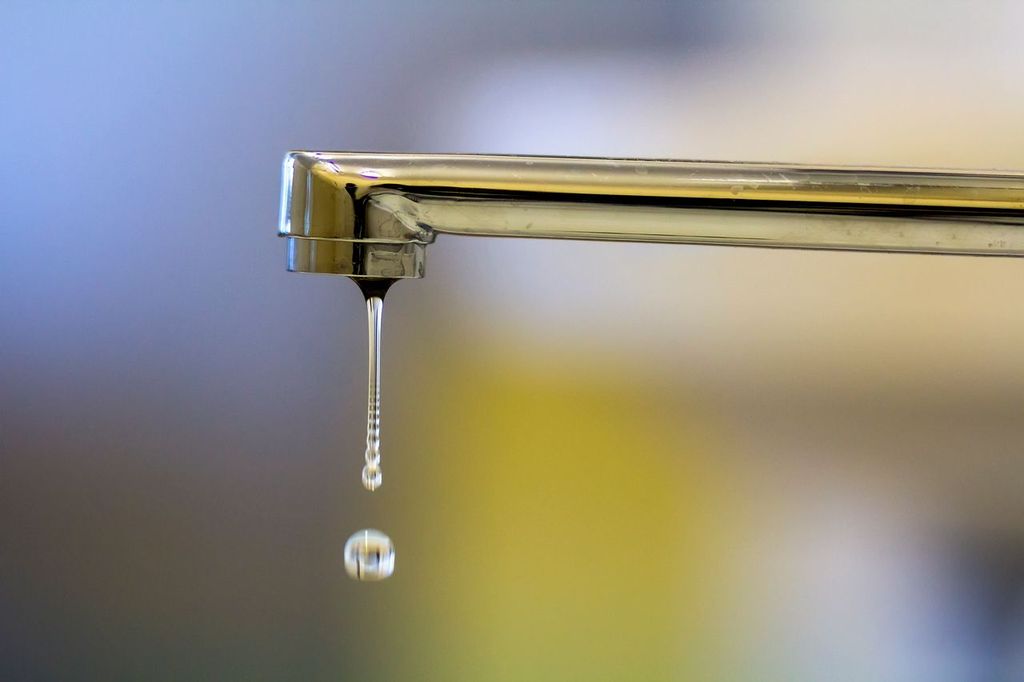
A hidden leak steals water before it ever reaches your faucet, so pressure falls across the home. Water escaping from a cracked pipe inside a wall, under the slab, or in the yard never makes it to your fixtures. Even a small leak under constant pressure wastes hundreds of gallons and weakens the flow you feel. Many slab leaks stay silent for months because the water drains into soil or under the foundation. Warning signs include a higher water bill, the sound of running water with every tap closed, and warm spots on the floor. Damp drywall, mildew smells, and cracks in the foundation also point to a leak. The longer a leak runs, the more damage it causes to both pressure and structure.
Finding the exact spot of a hidden leak takes the right tools and training. Plumbers use acoustic sensors, pressure tests, and thermal imaging to locate the source without tearing open walls or floors. This approach saves your home from needless damage and keeps repair costs lower. Guessing at the location often leads to extra holes and wasted time. Professional leak detection pinpoints the break so the repair stays small and targeted. If you suspect a leak is draining your water pressure, click here for our leak detection service. Acting fast limits both the water loss and the repair bill.
Repairing a hidden leak restores pressure and protects your foundation at the same time. Once the plumber locates the break, the fix may involve rerouting a pipe, replacing a damaged section, or sealing a joint. Slab leaks sometimes call for a new line run through the attic to avoid breaking concrete. Each home and each leak calls for a slightly different solution. A licensed plumber explains your options clearly so you can choose with confidence. Fast repair stops the waste, lowers your bill, and brings your water pressure back to normal. Ignoring a leak only lets the damage and the cost grow.
Pressure Regulator Problems That Affect Water Pressure In Your Home
Many homes use a pressure regulator, also called a pressure reducing valve, to control the water coming in from the city main. The city supplies water at a high pressure that would damage your pipes and fixtures without a regulator to tame it. This valve sits near the point where the main line enters your home, often close to the meter or the front hose bib. Over time, the internal parts wear out, and the valve can fail in two ways. A failed regulator sometimes lets too much pressure through, which strains your plumbing. More often, a worn valve closes down too far and chokes the flow, which leaves you with weak pressure everywhere. Because one valve feeds the whole house, a bad regulator affects every fixture at once.
Testing the regulator helps confirm if it is the source of your trouble. A plumber attaches a pressure gauge to an outside spigot to read the pressure in pounds per square inch. Most homes run best between 40 and 60 psi. A reading far below that range often points to a failing regulator. The valve has an adjustment screw, and a small turn can sometimes restore proper pressure. When the screw no longer makes a difference, the valve itself has worn out and needs replacement. A regulator usually lasts ten to fifteen years, so age is a strong clue.
Replacing a worn pressure regulator is a routine job for a licensed plumber. The plumber shuts off the water, removes the old valve, and installs a new one rated for your home. After the swap, the plumber sets the pressure to a safe level that protects your pipes and gives you strong flow. A correctly set regulator also guards against water hammer, that banging noise pipes make when valves close. The repair takes only a couple of hours in most cases. Once the new valve is in place, the pressure improvement is immediate and steady. Our team carries the right parts to handle this fix on the first visit.
How To Diagnose Low Water Pressure In Your Home
Finding the cause of low water pressure starts with a few simple checks you can do yourself. The goal is to narrow the problem down to one fixture, one section, or the whole house. Where the weak flow shows up tells you a lot about where the trouble hides. A single slow faucet points to a local clog, while weak flow everywhere points to the main line or the regulator. Working through the steps in order saves time and helps you explain the issue to a plumber. The checks below move from the easiest fixes to the ones that need professional tools. Start small, then work toward the main supply.
Testing Fixtures To Find Low Water Pressure In Your Home
Begin your diagnosis at the individual fixtures, since those clog most often. Turn on each faucet, one at a time, and note how strong the flow runs. Check both hot and cold at every sink, tub, and shower in the home. Weak cold and weak hot at the same spot suggests a clog right at that fixture. Strong cold and weak hot points instead to a hot water line or water heater issue. Write down what you find at each location so the pattern becomes clear. This simple map guides every step that follows.
The aerator and showerhead are the first parts to inspect on a slow fixture. Unscrew the aerator from the faucet tip and look for trapped grit, scale, or debris. Rinse the screen, soak it in vinegar if scale has formed, and reattach it. Do the same for a showerhead by removing it and clearing the small holes. Many homeowners restore full flow with this five minute cleaning alone. If the flow stays weak after cleaning, the clog sits deeper in the supply line. That result moves your search past the fixture and toward the pipes behind it.
Pay attention to timing and patterns as you test each fixture. A sudden pressure drop across the whole home often means a main line break or a regulator failure. A slow decline over months usually points to mineral buildup inside the pipes. Pressure that drops only when you run two fixtures at once can signal an undersized line or a partial clog. Note the time of day too, since city demand can lower pressure during peak morning hours. These details give a plumber a head start on the repair. The more you observe, the faster the true cause comes to light.
Checking The Main Water Line For Low Water Pressure In Your Home
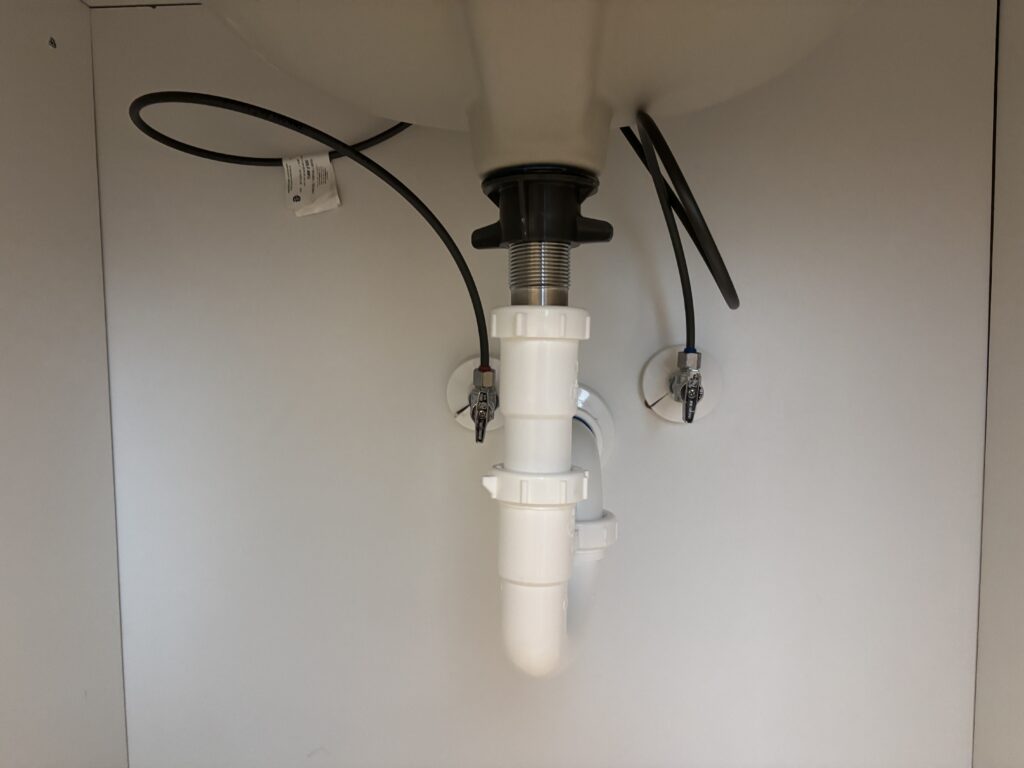
When weak flow reaches every fixture, the main water line deserves a close look. Start at the meter and trace the line toward the house, watching for wet ground, pooling water, or unusually green grass. Any of those signs can mark a leak in the underground supply line. Next, check the main shutoff valve to be sure it sits fully open. A partly closed main valve restricts the entire home, and this simple oversight fools many homeowners. Confirm the valve handle turns all the way to the open position. A valve stuck halfway acts like a clog and starves the house of pressure.
The supply line between the meter and your home can corrode, crack, or collapse with age. Older homes often have galvanized or polybutylene lines that fail and choke the flow. Tree roots also wrap around buried lines and crush them over the years. A damaged main line lowers pressure everywhere and can leak thousands of gallons underground. If you suspect a problem with the line feeding your home, click here for our water line repair service. A plumber can pressure test the line and confirm the condition before any digging begins. Catching a failing line early keeps the repair simple and the cost down.
Repairing or replacing a main water line restores strong, steady flow to the whole house. The plumber first locates the damaged section using pressure tests and leak detection equipment. In some cases, only one section needs replacement, while a badly corroded line calls for a full replacement. Modern lines use durable materials that resist scale, rust, and root damage for decades. A trenchless method can sometimes replace the line with minimal digging in your yard. After the work, your pressure returns to the level it should have had all along. A licensed plumber handles the permits and inspections so the job meets local code.
When To Call A Plumber For Low Water Pressure In Your Home
Some low pressure problems call for a professional from the start. A sudden, total loss of pressure across the home points to a serious issue like a main break or a failed regulator. Brown or rusty water along with weak flow signals corroded pipes that need expert attention. The smell of gas, the sound of running water inside walls, or wet spots on the floor all mean you should call right away. These signs go beyond a simple aerator clog and need the right tools to diagnose. A licensed plumber finds the cause without guesswork and without unneeded damage. Calling early often turns a major repair into a minor one.
Trying to fix deep plumbing problems without training can make matters worse. Overtightening a fitting cracks the pipe, and the wrong part can leak under pressure. Slab leaks and main line breaks need specialized equipment that most homeowners do not own. A professional carries pressure gauges, cameras, acoustic sensors, and thermal tools to find the source fast. The plumber also knows local code, so the repair passes inspection the first time. This experience saves you from repeat visits and from paying twice for the same job. Sound judgment from a trained plumber protects both your home and your budget.
A professional inspection gives you a clear picture of your whole plumbing system. Beyond fixing the pressure, the plumber spots small problems before they grow into emergencies. You learn the age and condition of your pipes, your regulator, and your water heater. That knowledge helps you plan repairs on your own schedule instead of during a crisis. An honest plumber explains what needs attention now and what can wait. Big Blade Plumbing & Rooter offers straight answers without pressure, so you stay in control of the work. A quick call can settle your low pressure question for good.
Why You Need Professional Help For Low Water Pressure In Your Home
Low water pressure is more than an annoyance; it often warns of a deeper problem in your plumbing. Putting off the fix lets clogs, leaks, and failing valves cause more damage and waste more water. A licensed plumber finds the real cause quickly and repairs it the right way the first time. The team at Big Blade Plumbing & Rooter has solved pressure problems for area homes since 2007. We bring honest recommendations, fast response, and quality work to every visit. Strong, steady water pressure is closer than you think.
Fast Solutions For Low Water Pressure In Your Home
Quick action keeps a low pressure problem from spreading through your plumbing. Our plumbers arrive ready to test fixtures, lines, and the regulator in a single visit. We carry common parts on the truck, so many repairs finish the same day. Fast service means less wasted water and less disruption to your routine. You get strong flow back without a long wait.
Many pressure problems have simple fixes once the cause is clear. A clogged aerator, a worn regulator, or a partly closed valve can each cause weak flow. We pinpoint the source quickly, then make the repair on the spot when possible. Our goal is to solve the problem on the first trip, not to schedule extra visits. Clear pricing means you know the cost before any work begins.
Emergencies do not wait for business hours, and neither do we. A burst pipe or sudden pressure loss can flood a home in minutes. Our team responds fast to stop the damage and restore your water. If you face a sudden plumbing failure, click here for our burst pipe repair service. Quick help now saves you from a larger repair later.

Long Term Fixes For Low Water Pressure In Your Home
Some pressure problems need a lasting solution, not a quick patch. Heavy mineral buildup or corroded pipes often call for repiping a section of the home. New pipe restores full flow and resists scale for decades. We explain when a repair will hold and when replacement is the smarter choice. The right fix protects your investment for years to come.
A whole home approach keeps pressure strong long after the visit. We check the regulator, the main line, the water heater, and the fixtures as one system. Addressing every weak point at once prevents the problem from returning. Quality materials and careful workmanship give you reliable flow you can count on. Our focus stays on long term performance, not a temporary bandage.
Preventive care helps you avoid low pressure in the future. Regular inspections catch scale, corrosion, and small leaks before they choke the flow. We can flush your water heater, test your regulator, and check your lines on a schedule that fits your home. This steady attention keeps your water pressure strong and your repair bills low. A small plan today prevents a large surprise tomorrow.
Why Choose Big Blade Plumbing & Rooter For Low Water Pressure In Your Home
Big Blade Plumbing & Rooter has served Burleson and the surrounding area since 2007. We are a licensed plumbing contractor with deep experience in both residential and commercial work. Our reputation rests on honest advice and quality repairs that last. We treat every home with respect and leave the work site clean. Local families trust us because we earn that trust on every job.
We believe in honest recommendations without pressure or upsells. When a simple fix solves your low pressure, we tell you so. When the problem runs deeper, we explain your options in plain language. You always know the cause, the cost, and the plan before we begin. That clear approach has built lasting relationships across the community.
Fast response times set our service apart when pressure problems strike. We know a plumbing issue disrupts your whole day, so we move quickly to fix it. Our team backs every repair with strong workmanship and dependable service. Call Big Blade Plumbing & Rooter at (817) 517-2425 to solve your low water pressure for good. You can also reach us by email at info@bigbladeplumbingandrooter.com to schedule a visit.