
How To Tell If Your Sewer Line Is Clogged
A clogged sewer line is one of the most disruptive plumbing problems a home can face, and it rarely announces itself politely. Your home relies on a single main sewer line to carry waste from every sink, toilet, tub, and washing machine out to the municipal sewer or septic system. When that one line gets blocked, the trouble does not stay in one room; it spreads across the entire house. Many homeowners in Burleson and across North Texas mistake an early sewer clog for a simple slow drain and lose valuable time before calling a plumber. The longer a main line stays blocked, the higher the risk of raw sewage backing up into your home. Knowing the warning signs early can save you from costly water damage, ruined flooring, and an unhealthy living space. This guide walks you through the clear signals that point to a sewer line clog rather than an ordinary drain issue. By the end, you will understand what to watch for, what causes these blockages, and when it is time to bring in a licensed professional.
Common Warning Signs That Your Sewer Line Is Clogged
Spotting a clogged sewer line comes down to recognizing patterns that separate a main line problem from a single fixture problem. A clog under one sink affects only that sink, but a sewer line blockage affects multiple fixtures at the same time. Your drains, toilets, and floor drains all connect to that one main pipe, so a blockage downstream creates symptoms throughout the house. Strange sounds, foul smells, and water showing up where it should not are some of the most reliable indicators. These signs often appear gradually, then worsen quickly once the line is fully obstructed. Paying attention to how several fixtures behave together gives you the clearest picture. The sections below break down the warning signs that matter most so you can act before a small backup becomes a flooded bathroom.
Multiple Drains Are Clogged At The Same Time
One of the strongest signs that your sewer line is clogged shows up when several drains slow down or stop draining all at once. A single clogged sink usually points to a localized blockage in that fixture’s branch line, and that is a much smaller repair. When your kitchen sink, bathroom sink, bathtub, and toilet all drain slowly during the same period, the problem almost always sits in the main line that serves them all. Water has nowhere to go because the shared pathway out of your home is restricted or fully blocked. The pattern often starts with the fixtures on the lowest level of the house, since gravity pulls waste downward toward the main line first. You might notice the basement floor drain or the lowest bathroom acting up before anything upstairs.
Homeowners frequently treat each slow drain as its own issue and reach for store bought drain cleaners one fixture at a time. That approach wastes money and can damage your pipes with harsh chemicals while never touching the real blockage deep in the main line. Chemical cleaners are designed for small, localized clogs near a fixture, not for a sewer line packed with roots or grease far from the drain opening. Pouring more product down the drain only adds liquid to a system that already cannot move water out. The smarter move is to step back and ask if the slow drains are connected to a single point of failure downstream. When the answer points to the main line, the fix requires professional tools rather than another bottle from the hardware store.
The timing of the slowdowns gives you another clue worth noting. Drains that worsen during heavy water use, such as running the washing machine while someone showers, signal that the main line cannot keep up with normal volume. A healthy sewer line handles simultaneous demand without trouble, so a system that backs up under everyday loads is telling you something is wrong. If you run the washer and the toilet starts bubbling, or the shower drain rises, those fixtures are competing for an exit that no longer works. This is the moment to stop adding water to the system and call a plumber. A professional sewer line inspection uses a camera to locate the exact blockage so the repair targets the real problem. Need a camera inspection to find a hidden clog? Click here for our sewer line inspection service.
Gurgling Sounds And Sewage Odors Point To A Clogged Sewer Line
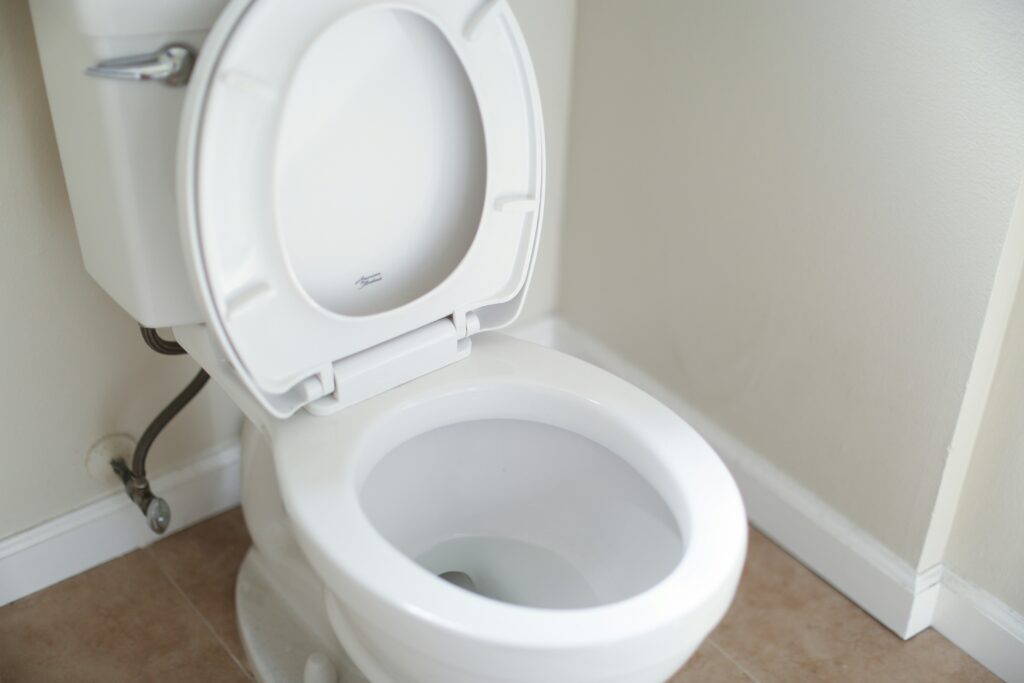
Unusual sounds coming from your drains and toilets are a classic symptom of a clogged sewer line, and they are easy to overlook until they become constant. Gurgling happens when air gets trapped in the line and forces its way back up through the water in your traps and toilet bowls. Under normal conditions, air and waste flow smoothly out through the main line and the vent stack on your roof. A blockage disrupts that balance, so air bubbles back through the path of least resistance, which is usually a nearby drain or toilet. You might flush a toilet and hear the bathtub gurgle, or run the sink and notice bubbling in the toilet bowl. Those crossover sounds mean the fixtures share a struggling main line rather than each having a separate problem.
Foul sewage odors inside or around your home are another warning sign that should never be ignored. A properly working drain system keeps sewer gases sealed out of your living space through water filled traps and roof vents. When the main line clogs, gases that should travel out to the sewer instead push back up into the house through dried out traps or struggling drains. The smell is sharp and unmistakable, often described as rotten or like raw waste. You may notice it strongest near floor drains, in basements, or close to the lowest plumbing fixtures. That odor signals that wastewater is sitting in the line instead of flowing out, which gives bacteria time to multiply and gas time to escape.
Outdoor odors matter just as much as indoor ones when you are diagnosing a sewer problem. A strong sewage smell in your yard, especially near a cleanout cap or over the path where the sewer line runs, often means the line is cracked, blocked, or leaking underground. Soggy patches of grass that stay wet during dry weather can also point to wastewater escaping a damaged or clogged pipe. Tree roots searching for water are a leading cause of these underground blockages in older neighborhoods. When odors and wet spots appear together outside, the issue has usually moved beyond a simple clog into pipe damage. At that stage, a thorough sewer line repair is often the right path to restore proper flow and stop the smell at its source.
Water Backing Up In Tubs And Toilets Confirms A Clogged Sewer Line
Few signs are as alarming, or as clear, as water and waste backing up into your fixtures. When a sewer line is fully blocked, the water you send down one drain has nowhere to go and reappears in another, usually the lowest opening in the house. Flushing a toilet and watching water rise in the bathtub or shower is a textbook symptom of a main line clog. The waste cannot travel out, so it follows gravity back up through the nearest low fixture instead. This is very different from a single overflowing toilet, which points to a clog inside that toilet’s own trap. A backup that crosses from one fixture to another always means the shared main line is the culprit.
The location of the backup tells a plumber a great deal about where the blockage sits. Lower level fixtures back up first because they sit closest to the main line and feel the pressure soonest. You might see dirty water pooling around a basement floor drain even though no one used that drain, since the blocked line is forcing waste up through the easiest exit. The water that comes up is rarely clean; it carries waste and bacteria that pose real health risks to your family. Standing sewage also damages flooring, drywall, and anything stored nearby within hours. Acting quickly to stop water use and call a professional limits the spread and the cost of cleanup.
A recurring backup that seems to clear on its own and then return is a warning that the clog is partial and growing. Some homeowners feel relief when the water finally drains and assume the problem fixed itself. In reality, a partial blockage from roots, grease, or debris keeps catching more material until it seals the line completely. Each backup signals that the obstruction is still there and still building. Ignoring these episodes almost always leads to a full backup at the worst possible moment, often during a holiday or a houseful of guests. A scheduled drain cleaning or main line clearing addresses the buildup before it traps your whole household. Dealing with repeat backups? Click here for our drain cleaning service and stop the cycle for good.
What Causes A Clogged Sewer Line And How To Confirm It
Understanding the root causes of a clogged sewer line helps you prevent future blockages and explain symptoms to your plumber. Sewer clogs do not happen at random; they build over time from specific materials and conditions inside the pipe. Some causes relate to what gets flushed or rinsed down the drain, while others come from the pipe itself aging or shifting underground. In North Texas, soil movement and mature trees play a major role in main line damage. Confirming a sewer clog means moving past guesswork and using the right tools to see inside the line. The sections below explain the most common culprits and how a professional pins down the exact problem before recommending a fix.
Tree Roots And Grease Are Top Causes Of A Clogged Sewer Line
Tree roots are the single most common cause of serious sewer line clogs in established neighborhoods. Roots naturally seek out moisture, and a sewer line carries a steady supply of water and nutrients that draws them in. Even a tiny crack or a loose joint in an older clay or cast iron pipe gives roots a way in. Once inside, the roots grow into a dense mass that catches toilet paper, waste, and debris flowing through the line. Over months and years, that root ball can grow large enough to block the pipe almost completely. Homes with large trees in the yard face the highest risk, and the problem tends to return until the pipe is repaired or relined.
Grease and fat buildup is another leading cause of main line clogs, especially in kitchens that pour cooking oils down the drain. Hot grease flows easily when it leaves the pan, then cools and hardens as it travels through the cooler sewer line. The hardened grease clings to the pipe walls and narrows the passage a little more with every wash. Soap scum, food particles, and other debris stick to the greasy coating and accelerate the buildup. Over time, the line becomes a thick, sticky tube that water can barely pass through. This is why plumbers urge homeowners to scrape food and grease into the trash rather than rinsing it down the sink.
Foreign objects and pipe damage round out the most frequent causes of a clogged sewer line. So called flushable wipes, paper towels, feminine products, and even toys find their way into the line and refuse to break down like toilet paper does. These items snag on rough spots and roots, then build into a stubborn blockage that water cannot clear. Pipes also sag over time as soil shifts, creating a low spot called a belly where waste collects and hardens. Old pipes can crack, corrode, or collapse entirely, turning a clog into a structural problem. When the damage is severe, a full sewer line replacement or installation restores reliable flow and ends the repeated backups for good.
A Professional Sewer Camera Inspection Confirms A Clogged Sewer Line
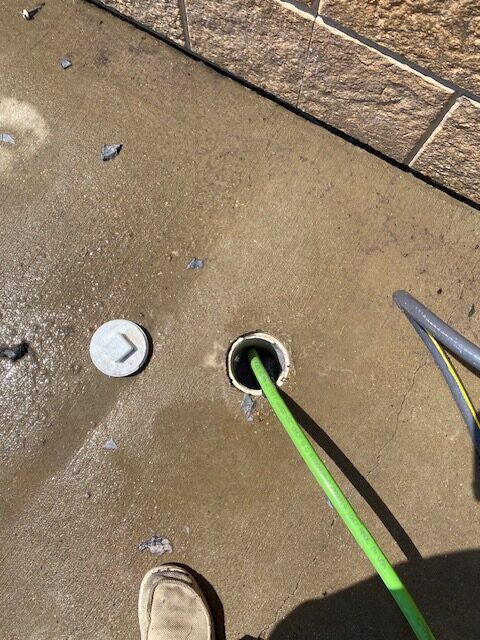
Guessing at the cause of a sewer clog wastes time and money, which is why a camera inspection is the gold standard for confirming the problem. A plumber feeds a small, waterproof camera on a flexible cable into the line through a cleanout access point. The camera sends a live video feed back to a monitor, showing exactly what is happening inside the pipe. This lets the plumber see roots, grease, cracks, bellies, and foreign objects in real time without digging up the yard. The inspection also pinpoints the precise location and depth of the blockage along the line. With that information, the repair targets the actual problem instead of relying on trial and error.
The video footage gives you a clear, honest picture of your sewer line’s condition, which matters a great deal when planning repairs. You can see for yourself if the clog comes from a simple buildup that clears easily or from serious pipe damage that needs more work. A reputable plumber will show you the footage and explain what each issue means in plain language. This transparency protects you from paying for repairs you do not need and helps you make a confident decision. It also documents the condition of the line, which is useful for home sales and insurance claims. A camera inspection turns a hidden, underground mystery into a problem you can actually understand.
Regular camera inspections also serve as a preventive tool, not just a diagnostic one. Homes with a history of root intrusion or older pipes benefit from periodic checks that catch small problems before they become emergencies. Catching a thin layer of grease or a young root early lets you clear the line with simple methods rather than waiting for a full collapse. The inspection can reveal slow developing issues that produce no obvious symptoms yet. Many homeowners schedule an inspection when buying a property to avoid inheriting a costly sewer problem. A quick look inside the line today often prevents a major repair tomorrow.
Hydro Jetting Clears A Clogged Sewer Line At The Source
Once a camera inspection confirms the cause of a clogged sewer line, hydro jetting is one of the most effective ways to clear it. Hydro jetting uses a specialized hose that sprays water through the pipe at extremely high pressure. The powerful stream cuts through grease, scrubs away buildup, and breaks apart root masses that a standard snake cannot fully remove. Unlike a cable that pokes a hole through the clog, jetting cleans the entire inner surface of the pipe. This restores the line to nearly its original diameter and flow capacity. For grease and scale heavy lines, jetting delivers a far more complete result than mechanical snaking alone.
The pressure used in hydro jetting is carefully controlled and matched to the condition of your pipe. A skilled plumber reviews the camera footage first to confirm the line can handle the process safely. Pipes in good structural shape clear beautifully, while badly damaged or collapsed pipes may need repair before any jetting takes place. This is why the inspection comes first and the cleaning comes second in a proper sequence. Skipping the inspection and blasting an unknown pipe risks turning a fixable clog into a broken line. Doing the work in the right order protects your plumbing and your wallet.
Hydro jetting also offers a longer lasting result than quick chemical or mechanical fixes. By removing the full layer of buildup rather than punching a small opening, jetting delays the return of the clog significantly. Roots take longer to rebuild, and grease has a clean surface to fight against rather than an existing coating to cling to. Many homeowners pair jetting with a follow up inspection to confirm the line is fully clear. The combination of seeing the problem and thoroughly cleaning it gives you real confidence in the result. Want a deep clean that lasts? Click here for our hydro jetting service and clear your line at the source.
Why You Need A Licensed Plumber For A Clogged Sewer Line
A clogged sewer line is not a do it yourself project for most homeowners, and trying to handle it alone often makes things worse. The main line carries waste and bacteria, runs deep underground, and connects to systems that require specialized tools to access safely. A licensed plumber brings the camera, the jetting equipment, and the training to diagnose and clear the line correctly the first time. Acting fast also matters, since a partial clog rarely stays partial for long. Calling a professional at the first clear sign protects your home, your health, and your budget. The sections below explain why timing, expertise, and the right partner make all the difference.
Acting Fast On A Clogged Sewer Line Protects Your Home
The speed of your response to a clogged sewer line directly affects how much damage your home suffers. A main line backup can flood floors with contaminated water in a matter of minutes once the line seals completely. Carpet, hardwood, drywall, and personal belongings absorb that water fast and often cannot be fully restored. Stopping all water use and calling a plumber at the first backup keeps the mess contained. Waiting and hoping the problem clears itself almost always leads to a larger and more expensive cleanup. Quick action turns a stressful situation into a manageable repair.
Health is another reason to treat a sewer clog as urgent rather than something to put off. The water that backs up carries bacteria and pathogens that pose real risks to everyone in the household. Children and pets are especially vulnerable to the contaminants in raw sewage. Sewer gases that escape through dry traps add an unpleasant and unhealthy element to the air inside your home. Removing the blockage and restoring proper flow seals those gases out and clears the contaminated water. A fast professional response keeps your living space safe and sanitary.
The cost of repairs also climbs the longer a clog sits untreated. A simple clearing or jetting is far cheaper than replacing flooring, drywall, and damaged pipe after a full backup. A partial clog left alone keeps trapping debris until it forces a complete blockage and a bigger bill. Catching the problem early often means a quick clearing rather than a major excavation. Honest plumbers will always tell you when a simple fix will do the job. Reaching out at the first sign gives you the widest range of affordable options.
A Clogged Sewer Line Needs Professional Tools And Training
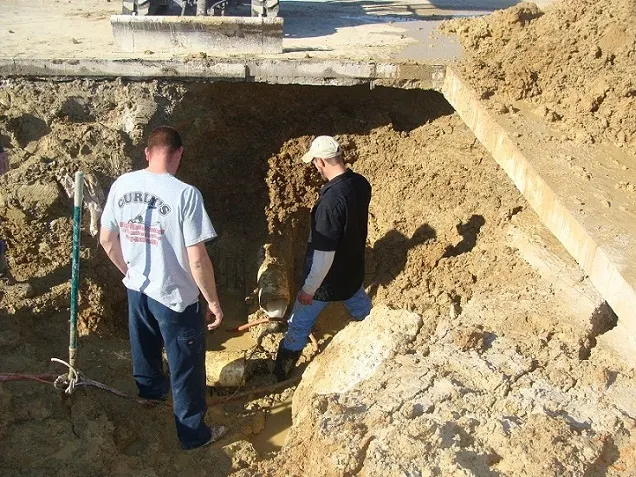
Clearing a clogged sewer line correctly requires equipment that homeowners simply do not have on hand. A professional sewer camera locates the blockage and reveals its cause, which no plunger or store bought product can do. Hydro jetting machines and heavy duty drain machines deliver the power needed to cut through roots and grease deep in the line. Using the right tool for the specific cause is what separates a lasting fix from a temporary patch. A licensed plumber knows which method fits which problem after seeing the footage. That judgment comes from training and experience, not from a label on a bottle.
Trained plumbers also understand the structure of your home’s drain and sewer system in ways that prevent mistakes. They know where cleanout access points are, how the line slopes, and how the vent system affects flow. This knowledge lets them work efficiently without guessing or causing new problems. They also recognize when a clog is actually a sign of deeper pipe damage that needs repair rather than just clearing. A homeowner without that background can easily mistake a structural failure for a simple blockage. Professional insight ensures the real issue gets addressed.
Safety is the final reason this work belongs in professional hands. Sewage exposure carries health risks that require proper protective gear and handling procedures. High pressure jetting equipment can injure an untrained operator and damage pipes if used incorrectly. Licensed plumbers follow established methods to protect themselves, your home, and your plumbing during the job. They also carry the responsibility and accountability that come with proper licensing. Trusting a professional means the work gets done safely and correctly.
Why Choose Big Blade Plumbing & Rooter For Your Clogged Sewer Line
Big Blade Plumbing & Rooter has served Burleson and the surrounding North Texas communities as a licensed plumbing contractor since 2007. Our team handles both residential and commercial sewer line problems with the same focus on quality and long term reliability. We bring camera inspection and hydro jetting equipment to every main line job so we can see the problem clearly before we clear it. That approach means we fix the real issue rather than guessing and charging you for repeat visits. Our experience with sewer line and drain solutions runs deep across the cities we serve. When your sewer line is clogged, you want a team that has solved the problem many times before.
We believe in honest plumbing recommendations without pressure, and that belief guides every job we take. If a simple clearing will solve your problem, we will tell you that instead of pushing an expensive repair you do not need. We show you the camera footage and explain your options in plain language so you can decide with confidence. Our pricing is straightforward, and our work focuses on lasting results rather than quick patches. Fast response times mean we get to your home quickly when a backup threatens your floors and your health. That combination of honesty and speed has earned us the trust of homeowners across the area.
Dependable service backed by strong workmanship is the standard we hold ourselves to on every call. We treat your home with respect and leave the work area clean when the job is done. Our goal is to solve your sewer problem completely so you are not calling us back for the same issue next month. Reach us at (817) 517-2425 or email info@bigbladeplumbingandrooter.com to schedule your inspection or service. You can also visit us at 2113 S Burleson Blvd in Burleson to talk through your plumbing needs. When you need a sewer line you can rely on, Big Blade Plumbing & Rooter is ready to help.