
Signs Your Water Heater Needs To Be Replaced
A water heater works hard every day, and most homeowners never think about it until the hot water disappears. This appliance heats water for showers, laundry, dishes, and handwashing throughout your entire home. When it starts to fail, the warning signs usually show up well before the unit quits completely. Catching those signs early gives you time to plan a replacement on your own schedule instead of facing an emergency. Summer is a smart time to handle this project because cold morning showers feel even worse in the cooler months ahead. A failing water heater can also waste energy and raise your utility bills month after month. Knowing what to look for protects your home from water damage and sudden breakdowns. This guide walks through the clear signs your water heater needs to be replaced and what to do about each one.
Common Signs Your Water Heater Needs To Be Replaced
Several signs point to a water heater that is reaching the end of its service life. Some of these signs appear slowly over many months, while others show up almost overnight. The most reliable indicators include the age of the unit, the color of your hot water, and the sounds coming from the tank. A single warning sign does not always mean replacement is needed; a combination of them usually does. Tank style water heaters tend to last between eight and twelve years with normal use. Hard water, skipped maintenance, and heavy demand can shorten that lifespan considerably. Paying attention to these early clues helps you avoid a sudden loss of hot water. The sections below break down the most common signs your water heater needs to be replaced.
Age Is a Major Sign Your Water Heater Needs To Be Replaced
The age of your water heater is one of the strongest signs that replacement is on the horizon. Most standard tank water heaters are built to last around eight to twelve years. You can check the age by reading the serial number sticker on the side of the tank. The first letters and numbers usually code the month and year of manufacture. Once a unit passes the ten year mark, the risk of leaks and internal failure climbs every year. The inner tank corrodes slowly from the inside, and that damage cannot be reversed once it sets in. Replacing an aging unit before it fails saves you from water damage and rushed decisions.
An older water heater also runs far less efficiently than a newer model. Years of sediment and mineral buildup force the burner or heating elements to work harder for the same result. That extra effort shows up on your monthly energy bill in small amounts that add up over time. Newer units meet stricter efficiency standards and use less fuel to deliver the same hot water. Many homeowners are surprised by how much a modern unit lowers their gas or electric costs. The savings will not pay for the unit overnight, yet they ease the long term cost of ownership. An aging water heater that struggles to keep up is quietly draining your budget.
The anode rod plays a key role in how long your water heater lasts. This metal rod sits inside the tank and corrodes on purpose so the steel tank does not. Over the years, the rod wears down until it can no longer protect the tank. Once the rod is fully consumed, the tank itself begins to rust from the inside. Some homeowners extend the life of their unit by replacing the anode rod every few years. That maintenance helps, though it cannot make an old tank last forever. When the tank reaches the end of its design life, a full replacement is the safest and most reliable choice.
Rusty Water Is a Sign Your Water Heater Needs To Be Replaced
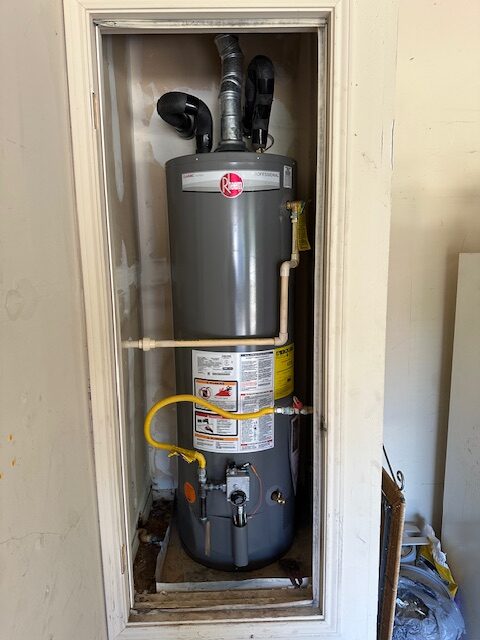
Rusty or discolored hot water is a clear sign your water heater needs attention. When you turn on the hot tap and brown, orange, or reddish water comes out, corrosion is often the cause. This happens as the inside of the steel tank breaks down and releases rust into the water. To narrow down the source, fill a few buckets from the hot side only and watch the color. If the cold water stays clear while the hot water looks rusty, the tank is the likely culprit. Aging pipes can also cause discoloration, so testing both sides helps point to the real problem. Rusty hot water means the tank is failing and a replacement should be planned soon.
Rust inside the tank does not stay in one place for long. Small flakes of corroded metal travel through your plumbing and into faucets, fixtures, and appliances. Over time, this rust can clog aerators, stain laundry, and leave a metallic taste in your water. The corrosion also weakens the tank wall, which raises the chance of a sudden leak. A tank that is rusting from the inside cannot be patched or repaired in a lasting way. Coatings and liners that once protected the steel wear away after years of heating and cooling. Once rust appears in your hot water, the unit is on borrowed time.
You can take a few steps to confirm the cause before calling a plumber. Run only the hot water through several fixtures and note if the color clears up or stays the same. Check the bottom of the tank and the connections for any visible rust or staining. Look at the temperature and pressure relief valve for signs of corrosion or moisture. If the rust is widespread and the unit is more than a decade old, replacement is almost always the answer. A licensed plumber can inspect the tank and confirm the source with certainty. Acting early on rusty water keeps a small problem from turning into a flooded floor.
Strange Noises Are a Sign Your Water Heater Needs To Be Replaced
Popping, rumbling, or banging sounds from your water heater are common signs of trouble. These noises usually come from sediment that has settled at the bottom of the tank. Minerals in the water, especially in hard water areas, drop out and collect as a hard crusty layer. When the burner heats the tank, water trapped under the sediment boils and forces its way through. That escaping steam and water creates the popping and rumbling you hear. The thicker the sediment layer becomes, the louder and more frequent the noises get. Over time this buildup overworks the unit and shortens its remaining life.
Sediment buildup does more than make noise; it cuts into your water heater’s performance. The hard layer at the bottom acts like an insulating blanket between the burner and the water. The burner must run longer to push heat through the sediment, which wastes energy on every cycle. This extra strain causes the steel at the base of the tank to overheat and weaken. Hot spots form on the tank wall and speed up corrosion in those areas. Flushing the tank once a year removes loose sediment and slows this process. A unit that has gone years without flushing often has too much buildup to recover.
Some noises point to problems beyond simple sediment. Sizzling or hissing can mean water is leaking onto the burner or a hot surface. Ticking sounds are often normal and come from pipes expanding as they heat. Loud knocking, on the other hand, can signal water hammer or loose mounting straps. If the noises grow worse and the tank is old, the safest move is replacement rather than repeated repairs. A plumber can drain and inspect the tank to judge how much life is left. When the sounds return soon after a flush, the unit has likely reached the end of its useful service.
Performance Problems That Show Your Water Heater Needs To Be Replaced
Beyond age and noise, the way your water heater performs tells you a great deal about its condition. A healthy unit delivers steady hot water, stays dry, and runs without driving up your bills. When performance starts to slip, the unit is often working harder to do less. Running out of hot water faster than before is one of the most noticeable changes. Puddles or moisture around the base point to a leak that should never be ignored. Climbing energy bills with no change in your habits can also trace back to a tired water heater. These performance problems often appear together as a unit nears the end of its life. The signs below help you decide when your water heater needs to be replaced rather than repaired.
Not Enough Hot Water Means Your Water Heater Needs To Be Replaced
Running out of hot water sooner than usual is a frequent sign your water heater needs to be replaced. A unit that once handled back to back showers may now run cold halfway through the first one. This drop in capacity often comes from sediment taking up space that used to hold heated water. As the buildup grows, the tank holds less usable hot water even though its size never changed. The burner or heating elements also lose efficiency as they age, which slows the recovery time. Recovery time is how long the unit takes to reheat a full tank after heavy use. When that wait grows longer each month, the unit is struggling to keep up.
Lukewarm water that never gets truly hot points to a different set of problems. On a gas unit, a worn burner or a failing thermocouple can keep the flame from heating the water fully. On an electric unit, a burned out heating element produces the same weak result. A broken thermostat can also cause water that is too cool or wildly inconsistent. Some of these parts can be replaced on a newer unit that is otherwise in good shape. On an older tank with several worn parts, repair costs start to rival the price of a new unit. At that point, replacement gives you better performance and a fresh warranty.
Inconsistent water temperature is another sign worth watching closely. Water that swings between hot and cold during a single shower frustrates everyone in the household. This often happens as components wear out and the unit loses its ability to hold a steady setting. Households that have grown in size may also simply need a larger or higher capacity unit. A plumber can measure your hot water demand and recommend the right size for your home. Upgrading to a properly sized water heater ends the cold surprises and restores reliable comfort. When the old unit can no longer match your daily needs, replacement is the practical fix.
Water Leaks Around the Tank Mean Your Water Heater Needs To Be Replaced
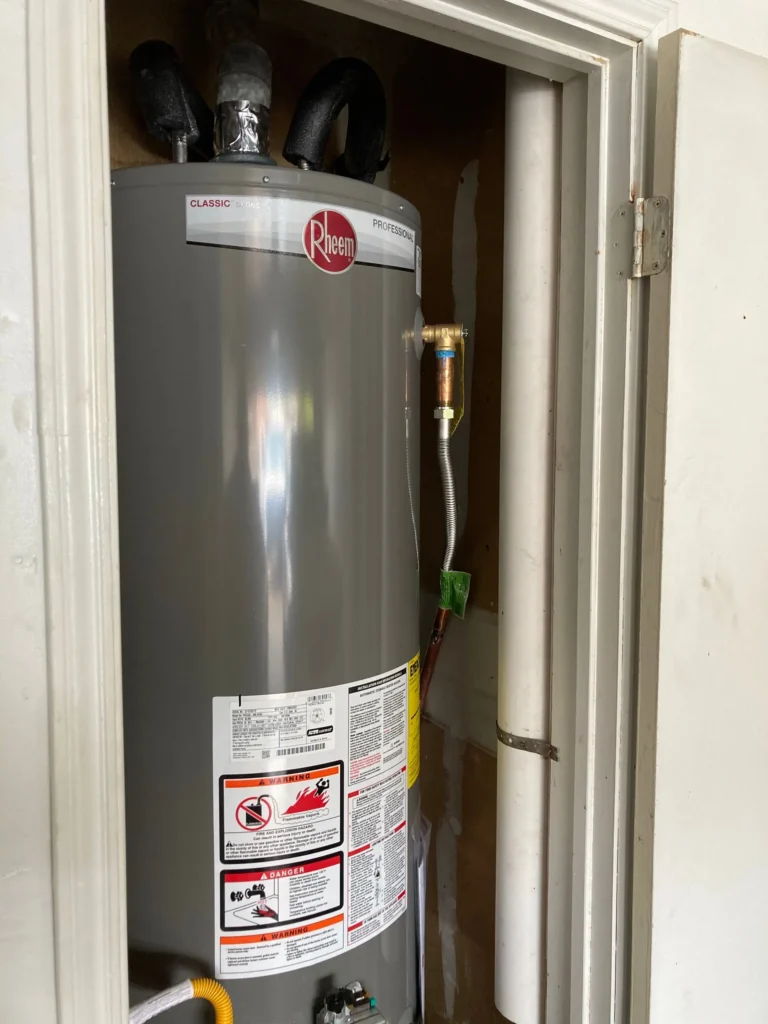
A leak around the base of your water heater is one of the most serious signs of failure. Water pooling under or around the tank usually means the steel shell has cracked or corroded through. As the tank heats and cools thousands of times, the metal expands and contracts until tiny fractures form. Once the tank wall is breached, no repair can restore it to a safe and watertight condition. A small drip today can become a major flood with little warning. That water can damage flooring, walls, and anything stored nearby in a garage or closet. A leaking tank is a clear signal that replacement should happen right away.
Not every bit of moisture means the tank itself has failed. Condensation can form on the outside of the tank when cold water enters on a humid day. Loose fittings, a faulty drain valve, or a dripping temperature and pressure relief valve can also create puddles. These parts can often be tightened or replaced without buying a whole new unit. The key is to find the true source before assuming the worst. A licensed plumber can trace the water back to its origin and tell you what is repairable. When the leak comes from the tank body itself, replacement is the only safe answer.
Ignoring a water heater leak puts your home at real risk. Standing water encourages mold growth and can rot wood framing over time. A tank that finally bursts can release dozens of gallons in a matter of minutes. That much water spreads fast and reaches far beyond the closet or utility room. Shutting off the water supply and power to a leaking unit limits the damage until help arrives. Catching a leak early gives you the chance to replace the unit on your terms. Need help with a leaking tank? Click here for our water heater repair service.
Rising Energy Bills Can Mean Your Water Heater Needs To Be Replaced
A steady rise in your energy bills can trace back to an aging water heater. Heating water is one of the largest energy users in most homes. As a unit ages and fills with sediment, it burns more fuel or draws more electricity to do the same job. The burner runs longer, the elements cycle more often, and the cost slowly climbs. Many homeowners blame the utility company without checking the appliance itself. Comparing your bills from the same season in past years can reveal the trend. A clear jump with no change in your habits often points to the water heater.
Standby heat loss is another hidden drain on an older unit. A tank keeps water hot around the clock, even when no one is using it. Worn insulation and corroded surfaces let that heat escape faster than they should. The unit then fires up again and again just to maintain the set temperature. This constant cycling wastes energy day and night without delivering any benefit. Modern water heaters use better insulation and tighter designs to cut these losses. Upgrading an old unit can noticeably lower the energy it takes to keep water hot.
Replacing an inefficient water heater often pays you back over its lifetime. Today’s units meet higher efficiency standards than models from a decade ago. Tankless options heat water only on demand, which removes standby loss entirely. A high efficiency tank model still offers strong savings at a lower upfront cost. A plumber can compare your options and estimate the savings for your household. The right choice depends on your hot water demand, fuel type, and budget. Ready to upgrade an aging unit? Click here for our water heater installation service.
Why You Need a Professional When Your Water Heater Needs To Be Replaced
Replacing a water heater is more involved than most home projects appear at first glance. The job often includes gas connections, water lines, venting, and electrical work that must meet code. A mistake with any of these can lead to leaks, carbon monoxide risk, or a unit that fails early. A licensed plumber handles the permit, the install, and the safe removal of the old unit. Big Blade Plumbing & Rooter has served Burleson and the surrounding area since 2007. The sections below explain why professional water heater replacement is the smart and safe choice.
Schedule Water Heater Replacement Before It Fails
Planning your water heater replacement ahead of time saves stress and money. A scheduled install lets you pick the right unit instead of grabbing whatever is in stock during an emergency. You also avoid the cleanup and repair costs that follow a sudden tank failure. A planned replacement can be set for a convenient day with no rush. This calm approach gives you time to ask questions and compare options. Replacing the unit before it fails keeps your home dry and your routine on track.
An emergency replacement almost always costs more than a planned one. When a tank bursts, you face water cleanup, possible drywall repair, and a fast decision under pressure. Rushed choices often lead to the wrong size or a unit that does not fit your needs. Scheduling the work in advance removes that pressure entirely. You gain the freedom to choose a unit that matches your household and budget. A little planning today prevents a costly scramble down the road.
Summer is a strong time to handle a water heater replacement. Demand for emergency repairs often spikes in the coldest months when units work hardest. Booking the job now means shorter wait times and an easier schedule. You also start the cooler season with a fresh, reliable unit in place. Need a new water heater installed? Click here for our water heater installation service. A planned replacement keeps the hot water flowing all year.
Choosing the Right Replacement Water Heater
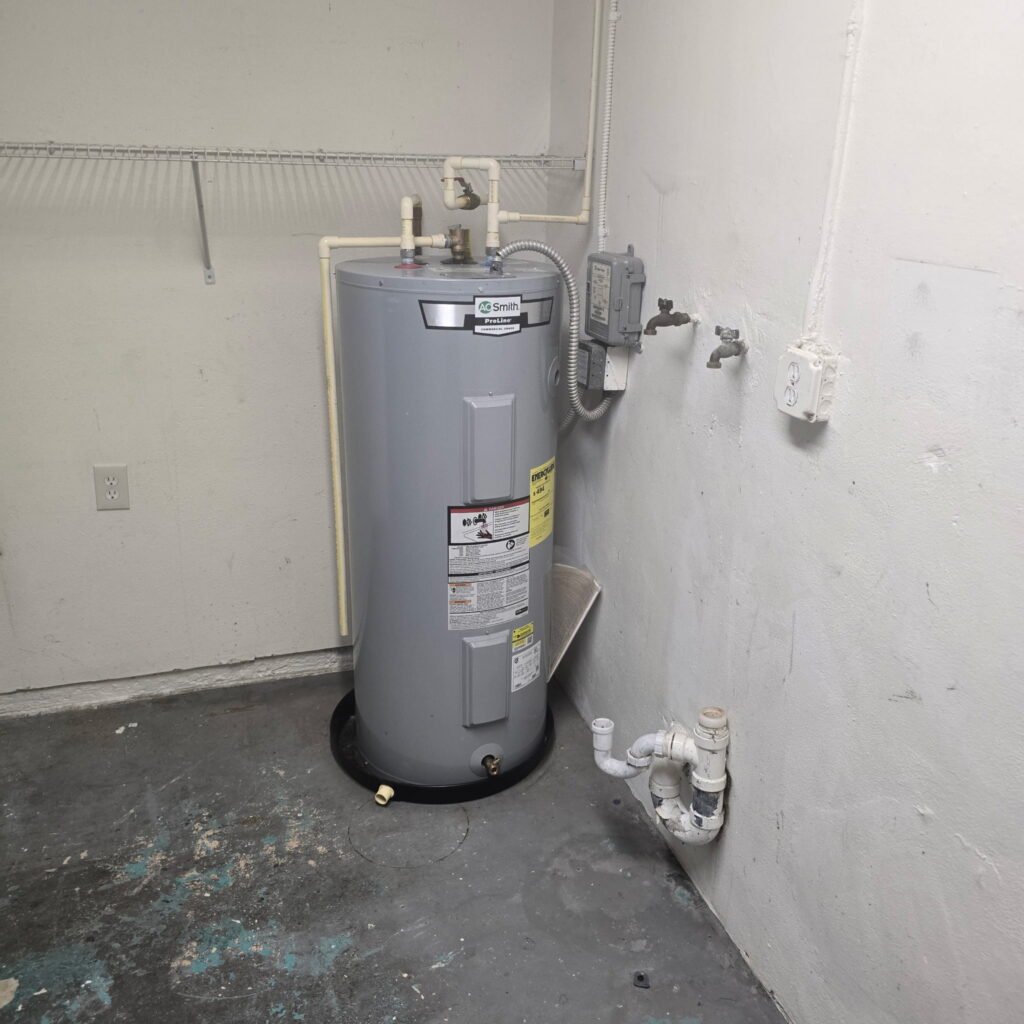
Picking the right replacement water heater takes more than matching the old size. Your household size, daily hot water use, and fuel type all shape the best choice. A growing family may need a larger tank or a tankless unit for endless hot water. A licensed plumber measures your demand and recommends a unit that fits your home. The right size prevents both cold showers and wasted energy. Smart sizing today means steady performance for years to come.
Fuel type plays a big part in the decision as well. Gas, electric, and tankless units each carry their own costs and benefits. Gas units often heat water faster, while electric units cost less to install. Tankless models save space and remove standby heat loss from the equation. Your existing connections and venting also affect which options make sense. A plumber weighs all of these factors to guide you toward the best fit.
Professional installation protects your investment for the long run. A correct install follows local code and keeps your warranty valid. Proper venting, secure connections, and the right relief valve all matter for safety. A unit installed by a pro is far less likely to leak or fail early. Skilled work also means cleaner lines and a tidy job site when the crew leaves. Choosing professional installation gives you lasting comfort and peace of mind.
Why Choose Big Blade Plumbing & Rooter for Water Heater Replacement
Big Blade Plumbing & Rooter has been a licensed plumbing contractor since 2007. We serve homes and businesses across Burleson and the surrounding communities. Our team handles both residential and commercial water heater replacement with care. We focus on quality work built for long term reliability. Every job reflects our commitment to honest service and strong workmanship. You can count on us to treat your home with respect from start to finish.
We believe in honest recommendations without pressure. When you call us, we explain what your unit needs and why in plain terms. If a repair makes more sense than a replacement, we tell you so. Our goal is to solve the problem, not to sell you something you do not need. Fast response times mean you are never left waiting with no hot water for long. We stand behind our work and the products we install.
Choosing the right plumber makes all the difference in a project like this. Our experience with sewer lines, drains, and water heaters runs deep. We bring dependable service backed by years of hands on knowledge. Reach us at (817) 517-2425 or info@bigbladeplumbingandrooter.com to set up your replacement. You can also visit us at 2113 S Burleson Blvd in Burleson, Texas. Trust Big Blade Plumbing & Rooter to keep your hot water running strong.