
How Hydro Jetting Clears Stubborn Drain Clogs
A clog that keeps coming back is more than an annoyance; it is a signal that something deeper inside your plumbing has been building for a long time. Many homeowners reach for a plunger or a chemical product, see a brief improvement, then watch the same slow drain return within days. The reason is simple. Most surface tools only punch a small hole through the blockage, leaving the thick layer of grease, sludge, and debris stuck to the pipe walls. Hydro jetting takes a different approach by scouring the inside of the line with a powerful stream of water, which strips away the buildup instead of poking through it. This is why plumbing professionals turn to hydro jetting for the toughest, most persistent clogs that resist every other method. Understanding how the process works will help you see why it solves problems that ordinary drain tools cannot. It also explains why the results tend to last far longer than a quick snake job. By the end of this guide, you will know what hydro jetting does, which clogs it removes best, and when it is time to bring in a licensed plumber to handle the job correctly.
What Hydro Jetting Is and How It Clears Stubborn Drain Clogs
Hydro jetting is a drain clearing method that uses pressurized water delivered through a specialized hose and nozzle to clean the inside of your pipes. Instead of breaking through a clog at one point, the water blasts the entire diameter of the pipe and washes the loosened material down toward the sewer or septic system. A trained plumber controls the pressure and flow based on the pipe material, the pipe age, and the type of blockage involved. The process is closer to power washing the inside of your plumbing than to traditional rodding. Because the water reaches all the way around the pipe wall, hydro jetting removes the slick coating that quietly narrows your drains over the years. That coating is what causes clogs to return so quickly after a basic cleaning. Hydro jetting is widely used for kitchen lines, main sewer lines, and commercial drains that handle heavy daily use.
The High Pressure Water That Powers Hydro Jetting Drain Clog Removal
The force behind hydro jetting comes from a machine that pressurizes water to a level far beyond anything a garden hose can produce. Residential systems commonly run between 1,500 and 4,000 PSI, while heavy commercial units can climb even higher for severe blockages and large diameter lines. That pressure, combined with a strong flow measured in gallons per minute, gives the water enough energy to cut through compacted grease, soap scum, and packed debris. The water does the cutting and the flushing at the same time, which is part of what makes the method so effective. A plumber matches the pressure setting to the specific job so the line gets cleaned thoroughly without unnecessary stress on the pipe. Older or fragile pipes call for a lighter touch, while sturdy modern lines can handle more aggressive settings. The goal is always full cleaning with safe, controlled force. This balance of power and precision is exactly why a professional should operate the equipment rather than a renter who guesses at the settings.
The water pressure also reaches places that a cable snake simply cannot. A snake follows the path of least resistance and tends to bore a narrow channel right through the center of the clog. Pressurized water expands outward and works against the full inner surface of the pipe, so it lifts the buildup from the walls themselves. That difference matters most in lines that have collected years of grease and sediment. When the walls are scrubbed clean, the pipe regains close to its original diameter and flow improves dramatically. Water moves faster through a clean pipe, which in turn helps prevent new debris from settling and forming the next clog. The result is a drain that does more than work for a week; it works the way it was designed to work. That is the kind of lasting outcome homeowners want when they invest in a real fix.
Pressure alone is not the whole story, because volume and direction work together to move material out of the system. As the nozzle pushes forward, the loosened grease and sludge need somewhere to go, and the steady flow of water carries that waste down the line and out of the home. A plumber monitors how the water returns and how the drain responds during the process to confirm the line is actually clearing. If the water backs up or slows, that tells the technician something about the condition of the pipe further down. This feedback helps guide how the rest of the job proceeds. Good hydro jetting is not just turning a machine on and walking away. It is a controlled, observed process where the operator reads the line and adjusts as needed. That attention to detail separates a clean, complete result from a half finished one.
The Specialized Nozzles Used in Hydro Jetting for Stubborn Drain Clogs
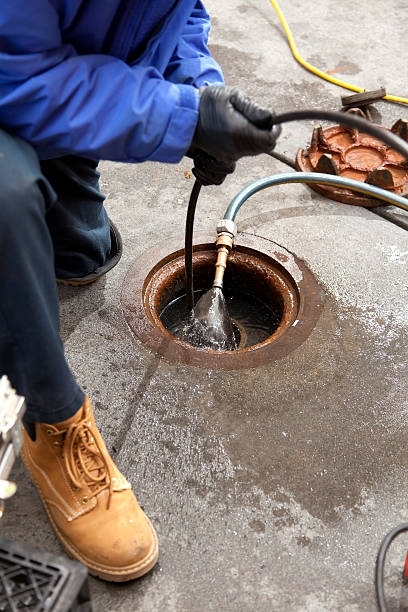
The nozzle at the end of the hose is the part that shapes how the water attacks a clog, and plumbers carry several types for different situations. Most nozzles feature a set of small jets, with some streams aimed forward and others aimed backward at an angle. The forward jets break apart the clog and clear a path, while the rear facing jets propel the nozzle through the pipe and scour the walls as it travels. This combination lets the tool move itself through the line while cleaning in both directions at once. Different jobs call for different nozzle designs, since a grease clog behaves very differently from a mass of tree roots. A plumber chooses the right head based on the camera inspection and the symptoms the customer describes. The right nozzle makes the work faster, cleaner, and far more thorough.
Certain nozzles are built specifically for cutting through tough obstructions like roots or hardened scale. These often feature a more concentrated stream or a rotating design that acts almost like a blade made of water. Other nozzles spread the flow into a wider pattern that is ideal for flushing and rinsing a pipe once the main blockage is gone. By switching between heads during a single visit, a plumber can break up the worst of a clog and then finish with a thorough rinse of the entire line. This staged approach delivers a deeper clean than any single tool used on its own. It also reduces the chance of leaving behind a thin layer of debris that would seed the next clog. The variety of nozzles is a big reason professional hydro jetting outperforms basic methods. Each head is a tool chosen for a specific job, not a one size fits all gadget.
The way the nozzle moves through the pipe also affects how clean the line ends up. As the rear jets pull the head deeper into the drain, the operator feeds the hose at a steady pace to give the water time to work on every section. Moving too fast leaves buildup behind, while a measured pass lets the jets strip the walls properly. Skilled plumbers know how to read the resistance in the hose and the sound of the line to judge progress. They will often pass the nozzle through a section more than once to confirm the buildup is truly gone. This careful technique is something a homeowner with a rented machine rarely matches. The equipment is powerful, yet the skill of the operator is what turns that power into a clean, fully restored drain. That human judgment is a core part of why professional service produces better results.
Why a Camera Inspection Comes Before Hydro Jetting Drain Clog Service
A responsible hydro jetting job almost always starts with a camera inspection of the pipe, and there is a strong reason for that step. A small waterproof camera on a flexible cable lets the plumber see the actual condition of the line before any high pressure water enters it. This view reveals what kind of clog is present, where it sits, and how much buildup has accumulated along the walls. It also shows the material and age of the pipe, which directly affects the pressure settings the plumber will choose. Sending water at the wrong pressure into a cracked or corroded pipe could cause real damage, so the inspection protects your plumbing. The camera turns guesswork into informed decisions. That is the difference between a careful service and a risky one. If you want a clear picture of your line before any work begins, you can learn more about our sewer line inspection service and how it guides the right repair.
The inspection also identifies problems that hydro jetting alone cannot solve, which is valuable information for any homeowner. A camera might reveal a collapsed section, a major crack, a sagging belly in the line, or roots that have grown through a joint. In those cases, jetting may clear the immediate clog, but a repair or replacement could be needed to prevent the issue from returning. Knowing this upfront saves money and frustration, because it stops you from paying for a cleaning that addresses only part of the problem. A plumber who skips the camera step is essentially working blind. The inspection gives both the technician and the customer a shared, honest understanding of the pipe’s condition. That transparency is something Big Blade Plumbing & Rooter treats as a basic standard of good work.
After the hydro jetting is complete, a second camera pass confirms that the line is truly clear. This follow up view shows the clean pipe walls and verifies the water is flowing freely with no remaining obstruction. It gives the homeowner real evidence that the job was done right, not just a promise. The after image also creates a record of the pipe’s condition that can be useful for future maintenance or for tracking a known problem area. A line that looked rough on the first scan and clean on the second tells a clear story of the work that was performed. This before and after comparison is one of the most reassuring parts of the process. It removes doubt and lets you trust that your drains are genuinely back in good shape. Honest verification like this is exactly what separates a quality plumbing company from a quick patch job.
The Common Drain Clogs That Hydro Jetting Removes Best
Hydro jetting shines against the kinds of clogs that other methods struggle to fully remove, and there are a few culprits it handles especially well. Grease, soap, food waste, tree roots, sediment, and mineral scale all build up in ways that resist plungers and chemical cleaners. These materials cling to the pipe walls and harden over time, forming layers that narrow the drain and trap more debris. A snake might punch through them, but it leaves most of the buildup in place to grow back. Hydro jetting strips these substances away completely, which is why it produces longer lasting results. The method works across kitchen lines, bathroom drains, laundry connections, and main sewer lines. Knowing which clogs respond best to jetting helps you understand when to ask for it.
How Hydro Jetting Clears Grease and Soap Buildup in Drain Clogs
Grease is one of the most common and stubborn causes of kitchen drain clogs, and it behaves in a way that makes it especially hard to remove. When warm grease, oil, and fat go down the drain, they flow easily at first, then cool and solidify inside the pipe. Over time these fats coat the inner walls and combine with food particles and soap to form a thick, sticky layer. This layer keeps growing until the drain slows to a trickle or stops entirely. Chemical cleaners often fail against heavy grease because they only eat at the surface of the blockage. Hydro jetting, by contrast, blasts the hardened grease loose and flushes it down the line in one process. The hot debris that took years to accumulate can be cleared in a single visit. This is why kitchen lines are among the most common candidates for jetting.
Soap scum works in a similar way and frequently teams up with grease and minerals to create a dense buildup. Bathroom and laundry drains collect soap residue that bonds with hair, skin cells, and hard water minerals along the pipe walls. The result is a slick, layered coating that narrows the drain and traps everything that passes through. Plungers and small augers rarely reach this material because it spreads along a long stretch of pipe rather than sitting at one point. Hydro jetting addresses the entire length of the affected line, scrubbing the walls clean from top to bottom. Once the soap and grease layers are gone, water flows freely again and the drain stops gurgling and backing up. The improvement is usually immediate and noticeable.
The lasting nature of this cleaning is what makes hydro jetting worth the investment for grease prone lines. A snaked drain may flow again for a short while, but the leftover grease coating quickly catches new waste and rebuilds the clog. A jetted line starts fresh with clean walls, so it takes far longer for new buildup to form. Homeowners who deal with repeated kitchen clogs often find that jetting finally breaks the cycle. Pairing the service with smart habits, like keeping fats and oils out of the drain, extends the benefit even further. If your kitchen drain keeps slowing down no matter what you try, professional jetting is often the real solution. You can explore our full drain cleaning service to see how we tackle these recurring problems at the source.
How Hydro Jetting Removes Tree Roots Causing Stubborn Drain Clogs
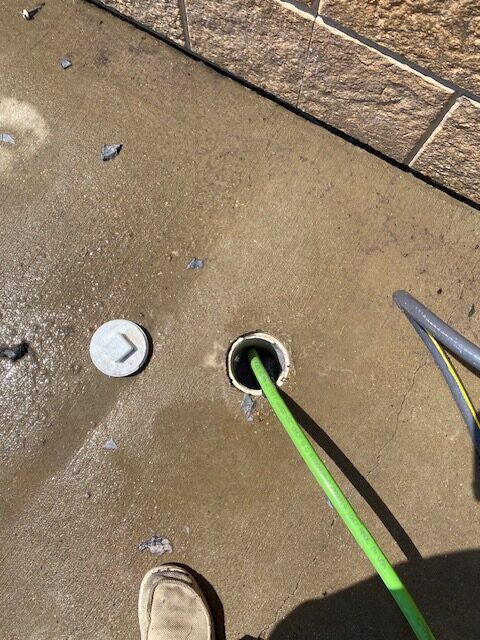
Tree roots are one of the most destructive causes of clogs in main sewer lines, and they create problems that grow worse the longer they are ignored. Roots are drawn to the moisture and nutrients inside a sewer pipe, and they push their way in through tiny cracks or loose joints. Once inside, they spread into a dense mass that catches toilet paper, grease, and waste flowing through the line. This combination can slow the drain, cause backups, and eventually block the pipe entirely. A standard cable snake may chew through part of the root mass, but it usually leaves enough behind for the roots to regrow quickly. Hydro jetting with a root cutting nozzle slices through the roots and flushes the pieces out of the line. The high pressure stream clears the obstruction far more completely than a snake can.
The way hydro jetting handles roots also helps reveal the bigger picture of what is happening underground. After the jetting clears the root mass, a camera inspection can show exactly where the roots entered the pipe. This information is important because root intrusion almost always points to a crack, a bad joint, or a damaged section of pipe. Clearing the roots restores flow, yet the entry point will keep inviting new growth if it is not addressed. Knowing the location and severity of the damage lets the homeowner make an informed decision about repair. Sometimes a spot repair solves the problem, while other situations call for replacing a section of line. Either way, the jetting and inspection together give a clear path forward.
It is important to be realistic about what jetting can and cannot do with roots. Hydro jetting is excellent at removing the root mass and restoring flow, but it does not stop roots from returning if the underlying pipe damage remains. That is why root problems often involve both a cleaning and a longer term repair plan. A trustworthy plumber will explain this clearly rather than selling repeated jettings as a permanent fix. Regular maintenance jetting can keep a known root prone line open while the homeowner plans a proper repair. Combining honest assessment with effective cleaning is the right way to handle roots. If recurring sewer backups point to roots, professional evaluation will tell you exactly what your line needs and protect you from surprise emergencies.
How Hydro Jetting Flushes Sediment and Mineral Scale From Drain Clogs
Sediment and mineral scale build up slowly, but they cause real problems in both supply and drain lines over time. In areas with hard water, minerals like calcium and magnesium leave deposits along the inside of pipes, gradually narrowing the passage. Sand, grit, and other fine sediment can also settle in low spots and accumulate into a dense, packed layer. These deposits are heavy and stubborn, and they resist the cutting action of a cable snake. A snake tends to slide right over packed sediment without removing much of it. Hydro jetting, with its strong flow and pressure, can lift and flush this material out of the line. The water mobilizes the settled debris and carries it down toward the sewer where it belongs.
Mineral scale presents a special challenge because it hardens onto the pipe wall almost like a shell. This scale reduces the inner diameter of the pipe and creates a rough surface that snags passing waste, which speeds up the formation of clogs. Over years, a scaled line can lose a large share of its capacity, leading to slow drains and frequent backups. Hydro jetting helps strip away the softer layers of scale and the debris attached to them, restoring much of the lost flow. The improvement depends on how thick and hardened the scale has become, so the camera inspection again plays a key role. A plumber can judge how much can be cleared and whether the pipe condition allows aggressive jetting. This careful evaluation keeps the process both effective and safe.
Regular hydro jetting is a smart way to manage sediment and scale in lines that are prone to them. Commercial kitchens, older homes, and properties with hard water often benefit from scheduled cleanings before buildup becomes severe. Staying ahead of the problem keeps drains flowing and reduces the risk of an unexpected backup at the worst possible moment. Maintenance jetting is far less stressful and less costly than an emergency call during a holiday or a busy season. A plumber can recommend a sensible schedule based on your specific plumbing and usage. Treating drain care as routine maintenance, much like changing the oil in a car, pays off in reliability. Looking after your lines this way protects your home and your peace of mind.
Why You Need Professional Hydro Jetting for Stubborn Drain Clogs
Hydro jetting is a powerful service, and that power is exactly why it belongs in the hands of a trained, licensed plumber. The equipment can clear clogs that nothing else can touch, but the same pressure that scours grease can harm a fragile pipe if it is used carelessly. A professional brings the right machine, the right nozzles, and the experience to read your plumbing and adjust accordingly. Just as important, a reputable plumber inspects the line first and verifies the results afterward, so you know the job was done correctly. Choosing professional service protects your pipes, your home, and your investment in the repair. The next sections explain when to call, how the pros protect your plumbing, and why Big Blade Plumbing & Rooter is the right choice. Making an informed decision keeps your drains healthy for the long run.
When to Call a Plumber for Hydro Jetting Drain Clog Service
There are clear signs that a clog has moved beyond what household tools can handle and needs professional hydro jetting. A drain that keeps clogging no matter how often you clear it is a strong indicator of heavy buildup along the pipe walls. Multiple drains slowing or backing up at the same time often points to a problem in the main line rather than a single fixture. Gurgling sounds, foul odors, and water rising in unexpected places are all warnings that should not be ignored. These symptoms tend to get worse, not better, when they are left alone. Calling a plumber early gives you the best chance to fix the issue before it becomes an emergency.
Timing matters because a small slow drain today can become a full sewer backup tomorrow. Waiting until raw sewage backs into a tub or floor drain turns a routine cleaning into a stressful and costly cleanup. A professional can assess the situation, run a camera inspection, and recommend jetting only when it is the right tool for the job. Sometimes a simpler cleaning is enough, and an honest plumber will tell you that rather than upselling. The point is to match the solution to the actual problem. That kind of straightforward advice is something every homeowner deserves. Acting at the first warning sign almost always saves money and hassle.
If you are unsure what your drains need, a professional evaluation is the safest first step. A plumber can quickly determine the cause of a recurring clog and explain your options in plain language. This removes the guesswork and stops you from spending money on store products that only delay the inevitable. Big Blade Plumbing & Rooter believes in honest recommendations without pressure, so you get the truth about what your plumbing requires. Need help with a stubborn clog right now? Click here to see our hydro jetting service and how we restore your drains quickly. A quick call can turn a frustrating problem into a solved one.
How Professional Hydro Jetting Protects Your Pipes From Drain Clogs
A trained plumber knows that protecting your pipes is just as important as clearing the clog. The camera inspection that comes before jetting is the first layer of protection, because it reveals the pipe material, age, and condition. With that knowledge, the plumber sets a safe pressure that clears the line without straining vulnerable sections. This careful matching of pressure to pipe is something a homeowner with rented equipment cannot reliably do. Guessing at settings on an old line is how avoidable damage happens. Professional judgment keeps the power of the machine working for you rather than against your plumbing.
Experience also helps a plumber recognize when hydro jetting is not the right choice for a particular line. Pipes that are severely corroded, cracked, or already failing may need repair before any high pressure cleaning is safe. A skilled technician will spot these conditions on the camera and recommend the proper fix instead of forcing a risky jetting job. This honesty protects you from paying for a service that could make a bad pipe worse. The goal is always the health of your whole plumbing system, not just clearing one clog today. That broader view is the mark of a true professional. It is why expert assessment matters as much as the equipment itself.
Finally, professional jetting includes the follow up that confirms your pipes are clean and intact. The after inspection verifies the line is clear and gives both you and the plumber confidence in the result. If the cleaning revealed a deeper issue, the plumber can outline a clear plan to address it before it grows. This complete approach, from inspection through cleaning to verification, is how a quality company safeguards your home. You end up with clean drains and a clear understanding of your plumbing’s condition. That combination of clean results and honest information is exactly what protects your investment over the long term. It is the standard you should expect from any plumber you hire.
Why Choose Big Blade Plumbing & Rooter for Hydro Jetting Drain Clogs
Big Blade Plumbing & Rooter has served the Burleson and greater Fort Worth area as a licensed plumbing contractor since 2007. That long track record reflects steady, dependable work and a focus on solving problems the right way the first time. Our team handles both residential and commercial plumbing, so we bring real experience to drains of every size and use. We treat every line with care, starting with a proper inspection and matching our methods to your specific plumbing. When hydro jetting is the right answer, we have the equipment and the skill to clear your toughest clogs safely. When it is not, we tell you honestly and point you toward the better solution.
Our reputation is built on honest recommendations without pressure, which means you never have to worry about being sold work you do not need. We explain what we find in plain language and give you the information to make a confident decision. Fast response times mean we are there when a clog turns urgent, not days later when the damage has spread. We focus on quality work aimed at long term reliability, so the fixes we make are built to last. Strong workmanship and clear communication are at the heart of everything we do. That is how we have earned the trust of homeowners and businesses across our service area.
Choosing Big Blade Plumbing & Rooter means choosing a team that takes pride in doing right by every customer. We stand behind our work and treat your home and your time with respect. From a single slow drain to a main sewer line packed with roots, we have the experience to get your plumbing flowing again. Reach us at (817) 517-2425 or email info@bigbladeplumbingandrooter.com to schedule service or ask a question. Our shop is located at 2113 S Burleson Blvd, Burleson, TX 76028, and we are ready to help. Let us put our experience to work clearing your stubborn drain clogs for good.