
Signs Your Sump Pump Is About To Fail
Late summer in North Texas brings heavy afternoon storms, and a sump pump that has been sitting idle through the dry months is often the first thing to quit when water finally arrives. Most homeowners never think about the pump in the basement or crawl space until standing water shows up, and by that point the repair bill has already grown well past what a simple service call would have cost. The truth is that sump pumps rarely fail without warning; they give off noise, cycling patterns, and performance changes for weeks or months before they stop moving water entirely. Learning to read those warnings gives you time to schedule a repair on your own terms instead of calling for emergency help at two in the morning during a downpour. A pump that runs constantly, hums without pumping, or trips a breaker is telling you something specific about its condition. This guide walks through the signs that matter, what causes them, and when replacement makes more financial sense than another repair. Big Blade Plumbing & Rooter has been servicing sump pumps across Burleson, Fort Worth, and the surrounding communities since 2007, and the patterns below come from real service calls rather than theory.
Common Signs Your Sump Pump Is About To Fail
A failing sump pump almost always changes its behavior before it dies, and the changes are usually noticeable if you know what normal sounds and looks like. Motors that once ran quietly begin to grind or rattle, float switches start sticking in the up or down position, and discharge lines that used to move water briskly begin to trickle. Age plays a major role as well, since most residential sump pumps last somewhere between seven and ten years under normal use, and units handling high water tables wear out faster. Electrical problems show up as breaker trips or a pump that only runs when you jiggle the cord. Debris buildup in the pit accelerates every one of these issues by forcing the impeller to work against grit and sediment. The sections below break down the three warning categories that lead to the most emergency calls in our service area.
Strange Noises Are Early Signs Your Sump Pump Is About To Fail
Sound is usually the very first indicator that something inside the pump has gone wrong, and it is also the sign homeowners are most likely to dismiss as normal aging. A healthy sump pump produces a low, steady hum during operation along with the sound of water moving through the discharge pipe, and nothing about that noise should be sharp, metallic, or irregular. When you begin hearing grinding, that sound typically points to a damaged or jammed impeller, which is the spinning component responsible for pushing water up and out of the pit. Gravel, small stones, and construction debris that settle into the bottom of the pit get pulled into the impeller housing and chew away at the blades over time. Rattling that seems to come from the pipe rather than the pump itself often means the discharge line has loosened at a joint or bracket, which puts stress on the pump housing every time the unit kicks on. None of these noises resolve on their own, and each one gets progressively louder as the underlying damage spreads.
A loud humming sound with no water movement is a different problem entirely and deserves immediate attention rather than a wait-and-see approach. That combination usually means the motor is receiving power and attempting to run while the impeller stays locked in place, either from debris or from a seized bearing. Motors in that condition draw far more current than they were designed for, and the heat builds quickly inside a sealed housing that sits in a damp pit. Many pumps have thermal protection that shuts the motor down before it burns out, but repeated overheating cycles degrade the windings until the protection no longer saves the unit. If you hear that hum and see no water leaving the discharge line, the safest move is to cut power at the breaker and call for service rather than letting the motor keep straining. A locked impeller caught early is often just a cleaning job, while the same problem left alone for a week frequently means a full replacement.
Excessive vibration during operation is the third noise-related warning, and it usually signals a bent impeller shaft or a motor that has come loose from its mounting. Pumps that have run dry, meaning they cycled without enough water in the pit to cool the motor, are especially prone to shaft damage because the metal expands unevenly under heat. You may notice the pump rocking slightly in the pit or the discharge pipe shaking against the wall each time the unit starts. That vibration transfers into every connection point in the system, loosening fittings and eventually cracking the pipe or the check valve. A bent shaft cannot be straightened in any reliable way, so this particular sign almost always ends in replacement. If your pump has started shaking during normal operation, click here for our sump pump repair service and we will diagnose whether the unit can be saved.
Constant Running Is One of the Clearest Signs Your Sump Pump Is About To Fail
A sump pump that runs without stopping is burning through its service life at several times the normal rate, and the cause is almost never the amount of water in the pit. The most common culprit is a stuck float switch, the small floating arm or ball that rises with the water level and tells the motor when to start and stop. Float switches jam against the side of the pit, catch on the power cord, or lose buoyancy as the internal chamber cracks and fills with water. When the switch stays in the up position, the motor keeps running even after the pit has emptied completely, which means the impeller spins in air with nothing to cool it. Running dry for an extended period will destroy a motor faster than almost any other condition. Checking the switch is simple enough that many homeowners can spot the problem by lifting the lid and watching the float move as water rises.
A failed or missing check valve creates the same constant-running symptom through an entirely different mechanism, and it is one of the most overlooked problems we find in the field. The check valve sits on the discharge line and prevents water that has already been pumped out from draining back down into the pit once the motor shuts off. When that valve fails, several gallons of water fall back into the pit within seconds of every cycle, which raises the water level and triggers the float switch again immediately. The pump then cycles on and off repeatedly in what plumbers call short cycling, and each start places heavy electrical load on the motor. Homeowners often assume the groundwater level is high when the real issue is the same water being pumped over and over. Replacing a check valve is inexpensive compared to replacing a motor that has short cycled for months.
Undersized pumps and high water tables round out the list of reasons a unit runs continuously, and both are common in parts of Johnson and Tarrant County where clay soil holds water near the surface. A pump rated for light residential duty simply cannot keep pace with a pit that fills quickly during heavy rainfall, so it runs at full capacity for hours at a stretch. Continuous operation under load generates heat that the surrounding water usually carries away, but during long storms the water in the pit warms up and stops cooling the motor effectively. Over several seasons, this pattern wears out bearings and seals well ahead of schedule. If your pump seems to run far more than your neighbors’ units do, the horsepower rating and pit sizing are worth reviewing. A properly sized replacement often costs less over five years than repeated repairs on a unit that was never matched to the home.
Power Problems and Age Are Serious Signs Your Sump Pump Is About To Fail
Electrical symptoms deserve particular attention because they combine two hazards, water and current, in the same small space. A sump pump that trips its breaker or GFCI outlet is not being overly cautious; it is reporting a real fault somewhere in the motor windings, the cord, or the outlet itself. Moisture works its way into cord insulation over the years, especially where the cord bends over the edge of the pit lid, and the resulting leakage current is exactly what a GFCI device is designed to catch. Some homeowners respond by resetting the breaker repeatedly or moving the pump to a different outlet, which removes the safety protection without fixing anything. Any pump that trips protection more than once should be inspected by a licensed plumber before it goes back into service. The cost of an inspection is trivial next to the cost of a flooded finished basement or an electrical injury.
Age alone is a legitimate warning sign even when the pump seems to be working normally, because internal components degrade on a fairly predictable schedule. Bearings lose lubrication, seals harden and allow moisture into the motor housing, and switch contacts pit and corrode from thousands of cycles. Around the seven year mark, the probability of failure during any given storm climbs sharply, and by year ten most units are running on borrowed time. Pumps installed with the home in newer subdivisions around Burleson and Crowley often reach that threshold all at once across an entire neighborhood. Checking the date stamp on the housing takes about ten seconds and tells you a great deal about what to expect. Planning a replacement during a dry stretch is always cheaper and less stressful than reacting to a failure during a storm.
Visible rust, corrosion, and discolored water in the pit point to problems that have already progressed well past the early stage. Iron bacteria produce a reddish brown slime that coats the pump body, clogs the intake screen, and eventually restricts flow through the impeller housing entirely. Rust on the motor housing suggests that the outer seal has failed and moisture is reaching metal that should stay dry, which is a direct path to motor failure. Corroded fasteners and brackets make future service work harder and can allow the pump to shift position in the pit. When you lift the lid and see heavy buildup, the unit is telling you it has been fighting a losing battle for a while. Need help sorting out a pump that looks past its prime? Click here for our sump pump installation service and we will walk you through sizing and options.
What Causes These Signs Your Sump Pump Is About To Fail
Understanding the root causes behind sump pump failure helps homeowners make better decisions about maintenance schedules and replacement timing. Most failures trace back to one of four sources: debris in the pit, electrical supply problems, improper installation, and simple mechanical wear. Texas soil conditions add their own complications, since expansive clay shifts through wet and dry cycles and can pull discharge lines out of alignment. Homes with poor exterior drainage push far more water toward the foundation than the sump system was designed to handle, which shortens equipment life across the board. Installation shortcuts taken years ago frequently show up as failures long after the original installer has moved on. The three sections below cover what actually drives these problems and what can be done about each one.
Debris and Sediment Cause Many Signs Your Sump Pump Is About To Fail
The sump pit is essentially a low point that collects everything water carries with it, which means silt, sand, gravel, and organic material accumulate steadily whether or not you ever look inside. Pits without a proper liner allow soil to wash directly into the basin, and that soil settles into a dense layer at the bottom where the pump intake sits. As the sediment layer builds up, the intake screen begins pulling in fine particles that pass through to the impeller and grind against the housing with every rotation. Larger pieces of gravel can wedge between the impeller blades and the housing wall, stopping the rotor cold while the motor continues drawing current. Homeowners who have never cleaned a pit are often surprised to find several inches of packed material under the water. Annual cleaning removes this material before it reaches the point of causing damage.
Construction debris presents a particular problem in newer homes, and it accounts for a surprising share of early pump failures in recently built neighborhoods. Drywall dust, mortar fragments, wood chips, and small hardware routinely end up in sump pits during the building process, and much of it stays there for years. Mortar and concrete dust are especially destructive because they form an abrasive slurry that scours the impeller and the seal faces every time the pump runs. Pumps in these conditions often show significant wear within three or four years despite being nominally new. A thorough cleaning after construction or renovation work is one of the highest value maintenance steps available. If your home is under five years old and the pit has never been serviced, it is worth a look.
Iron bacteria and mineral scale build up more slowly but cause equally serious restrictions over time. These organisms are naturally present in groundwater throughout much of North Texas and thrive in the oxygen-rich environment of a sump pit. The slime they produce coats every surface, narrows the intake openings, and can partially block the discharge line where flow slows near the check valve. Reduced flow means the pump runs longer to move the same volume of water, which raises operating temperature and shortens motor life. Mineral scale from hard water compounds the problem by depositing on impeller surfaces and changing their balance. Regular flushing of the pit and discharge line keeps both problems manageable rather than allowing them to compound year after year.
Installation Errors Create Signs Your Sump Pump Is About To Fail
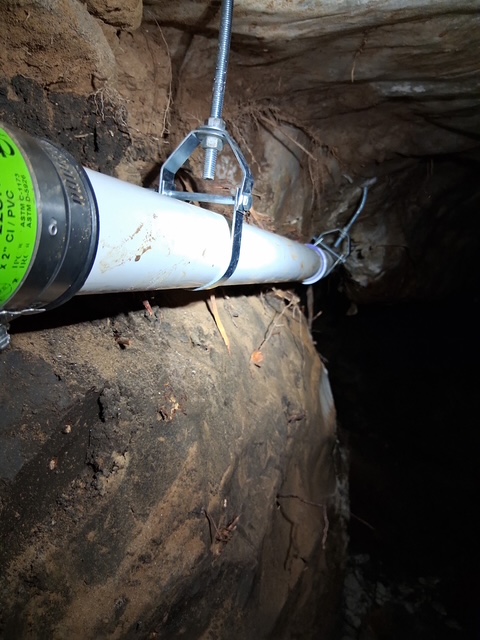
An improperly sized discharge line is one of the most common installation mistakes, and it forces the pump to work against resistance it was never designed to overcome. Most residential sump pumps are engineered for a specific pipe diameter, and reducing that diameter anywhere along the run increases the pressure the motor must generate. Long horizontal runs, multiple elbows, and excessive vertical lift all add to the total head the pump must overcome. A unit fighting excessive head runs hotter, moves less water per minute, and reaches the end of its service life years ahead of schedule. Homeowners rarely suspect the piping when the pump fails, since the pump is the part that stopped working. A proper evaluation looks at the entire discharge path rather than just the unit sitting in the pit.
Discharge line termination matters just as much as the pipe itself, and getting it wrong creates a cycle that never ends. Lines that dump water within a few feet of the foundation send that same water straight back down to the footing drains and into the pit again, which means the pump handles the same gallons repeatedly. During heavy rain the effect compounds, and a pump that should be cycling every few minutes ends up running almost continuously. Proper termination carries water at least ten to twenty feet away from the structure and to a point where grade carries it further still. Frozen or blocked discharge outlets create a similar problem by preventing water from leaving at all. Checking the outlet after storms takes almost no time and prevents a large share of avoidable failures.
Missing or improperly installed check valves, poorly secured pits, and pumps set directly on the pit floor round out the list of installation issues we correct regularly. A pump resting flat on the bottom of the basin pulls in sediment continuously and often has its intake partially blocked from day one. Pits that are too small force short cycling regardless of how good the pump is, since even a modest inflow fills the available volume in seconds. Lids that do not seal allow debris to fall in and let humidity and radon escape into the living space. Each of these problems is fixable, but the fix requires someone who understands how the whole system is supposed to work together. Big Blade Plumbing & Rooter evaluates the complete setup rather than swapping in a new pump and hoping for a better outcome.
Power Supply Issues Produce Signs Your Sump Pump Is About To Fail
Sump pumps depend entirely on electricity, and the storms most likely to fill a sump pit are the same storms most likely to knock out power to the neighborhood. That single fact explains why so many basement flooding events happen at homes with a pump that was working perfectly the day before. A primary pump with no backup is a single point of failure in a system protecting one of the most expensive parts of the house. Battery backup units run on a sealed battery and take over automatically when line power drops or when the primary unit fails for any reason. Water powered backups use municipal supply pressure instead of electricity and work indefinitely as long as city water holds. Either option converts a guaranteed failure during an outage into a manageable inconvenience.
Extension cords, shared circuits, and undersized wiring create chronic voltage problems that shorten motor life without ever announcing themselves clearly. Motors running on low voltage draw higher current to produce the same output, and that extra current turns into heat inside the windings. Over months and years, that heat degrades insulation until a winding shorts and the pump stops for good. Sump pumps should have a dedicated, properly grounded outlet on a circuit sized for the load, and the cord should reach that outlet without an extension. Homeowners who find their pump plugged into a power strip or a cord running across the floor should treat that as a problem worth correcting soon. The fix is inexpensive and removes a hidden cause of premature failure.
GFCI protection is required in these locations for good reason, but the protective device itself becomes a failure point when nobody checks it. A GFCI outlet that trips while the family is asleep or away leaves the pump dead with no indication anything is wrong until water appears. Some homeowners discover the trip only after the finished basement has taken on several inches of water. Alarm systems that monitor water level in the pit provide an inexpensive early warning and work regardless of why the pump stopped. Testing the outlet monthly and keeping a working alarm in place closes one of the largest gaps in most residential sump systems. Want to know how your whole drainage system fits together? Click here for our sewer line inspection service to see what is happening below grade.
Why You Need Professional Sump Pump Service Before Failure Happens
Waiting for a sump pump to fail completely turns a scheduled maintenance visit into an emergency call, and the difference in cost is substantial once water damage enters the picture. Professional service catches the noises, cycling patterns, and electrical faults described above while they are still inexpensive to correct. A licensed plumber also evaluates the parts of the system homeowners cannot easily assess, including discharge line integrity, check valve function, and pit sizing relative to actual water inflow. Late summer and early fall are ideal times for this work in North Texas, since it puts the system in good condition ahead of the wetter months. Big Blade Plumbing & Rooter has been handling this work since 2007 and approaches every call with the goal of giving you an honest picture of what your equipment needs.
Professional Inspection Prevents the Signs Your Sump Pump Is About To Fail
A thorough sump pump inspection covers considerably more ground than most homeowners realize, starting with a full test cycle that fills the pit and confirms the unit activates at the correct level and shuts off cleanly. The technician listens for the specific sounds that indicate impeller wear or bearing trouble, then checks amperage draw against the motor’s rated specification to see how hard the unit is actually working. Discharge flow gets measured at the outlet rather than assumed, since a pump can appear to run normally while moving far less water than it should. The check valve is tested by watching for backflow after shutdown, which is the fastest way to confirm whether it is doing its job.
Inspection also covers the physical condition of every component that keeps the system functioning, including the pit liner, the lid seal, the float switch travel path, and the electrical connections at both ends of the cord. Corrosion, cracks, and loose fittings all get documented so you know what condition your equipment is actually in rather than guessing. The technician confirms that the discharge line runs to a proper termination point and that nothing has blocked or crushed the pipe. Any sediment in the pit gets removed as part of the visit, which alone extends pump life measurably.
The result of a proper inspection is a clear picture of where your system stands and what it will need over the next several years. That information lets you budget for a replacement on a schedule that works for you instead of paying emergency rates during a storm. It also tells you whether your current pump is correctly sized for the water your property actually produces. Homeowners frequently learn that a modest upgrade in capacity or the addition of a backup unit solves problems they had accepted as unavoidable. Knowing the real condition of the equipment is worth the visit by itself.

Timely Repair Stops the Signs Your Sump Pump Is About To Fail From Becoming a Flood
Most of the warning signs covered in this article correspond to repairs that are far cheaper than replacement when they are caught early. A stuck float switch, a failed check valve, a clogged intake screen, and a loose discharge fitting are all straightforward fixes for a plumber with the right parts on the truck. Left alone, each of those small problems drives the motor toward failure, and once the motor goes the entire unit gets replaced. The economics strongly favor addressing symptoms as they appear rather than waiting to see how bad things get.
Water damage costs dwarf plumbing repair costs by a wide margin, and that gap is what makes early intervention so worthwhile. Flooring, drywall, insulation, stored belongings, and finished basement improvements all take damage quickly once water enters, and mold remediation frequently follows within days. Insurance coverage for sump pump failure varies considerably by policy and often requires a specific endorsement that many homeowners do not carry. A single flooding event routinely costs many times what a decade of preventive maintenance would have.
Acting on warning signs also gives you options that disappear during an emergency. You can compare pump models, consider a backup system, address discharge line problems, and schedule the work at a convenient time. Emergency situations force fast decisions with whatever equipment is available at that moment. Homeowners who plan ahead consistently end up with better systems at lower total cost. Dealing with water where it should not be? Click here for our leak detection service and we will find the source.
Why Choose Big Blade Plumbing & Rooter for Signs Your Sump Pump Is About To Fail
Big Blade Plumbing & Rooter has operated as a licensed plumbing contractor since 2007, serving Burleson and surrounding communities including Fort Worth, Arlington, Mansfield, Crowley, Joshua, Cleburne, and Alvarado. That length of service in one area means our technicians understand local soil conditions, water table behavior, and the drainage patterns specific to neighborhoods throughout Johnson and Tarrant County. We handle both residential and commercial plumbing, so the same experience that keeps a business property dry applies to your home. Our team works on sump pumps, sewer lines, drain systems, water lines, and gas lines, which lets us see how the pieces of a property’s plumbing interact.
Honest recommendations without pressure is a standard we take seriously on every call, including sump pump work where the temptation to oversell is real. If your pump needs a fifty dollar part rather than a full replacement, that is what we will tell you. If the unit is genuinely at the end of its life, we will explain why and show you what we found rather than asking you to take our word for it. Homeowners deserve to understand what they are paying for and what the alternatives actually cost.
Fast response times matter a great deal when water is involved, and we structure our scheduling around that reality. Our focus on long term reliability means we install equipment sized correctly for your property and we correct the underlying installation problems rather than papering over them with a new pump. Strong workmanship is what keeps customers calling us back and referring neighbors, and it is the foundation of how we have built this business. Call Big Blade Plumbing & Rooter at (817) 517-2425 or email info@bigbladeplumbingandrooter.com to schedule sump pump service. We are located at 2113 S Burleson Blvd, Burleson, TX 76028.